
On this page
Key takeaways
- Use the official 2026 holiday calendar to plan shrine, temple, transport, accessibility, and goshuin visits during Golden Week crowds.
- Golden Week is one of Japan's busiest domestic travel periods, and 2026 needs more precise planning than a generic “April 29 to May 5” label suggests.
- For shrine and temple visitors, the main consequences are crowded transport and earlier sellouts. Queueing may also be altered, and religious offices may use prewritten kakioki instead of direct goshuin calligraphy.
Golden Week is one of Japan's busiest domestic travel periods, and 2026 needs more precise planning than a generic “April 29 to May 5” label suggests. The official calendar places national holidays on April 29 and May 3–6, with May 6 becoming a substitute holiday because Constitution Memorial Day falls on Sunday.
For shrine and temple visitors, the main consequences are crowded transport and earlier sell-outs. Queueing may also be altered, and religious offices may use pre-written kakioki instead of direct goshuin calligraphy. None of those changes should be guessed in advance: verify each place and operator through official notices.
The official 2026 Golden Week dates
Japan's Cabinet Office lists these holidays and substitute holiday:
| Date | Day | Holiday | Japanese |
|---|---|---|---|
| April 29, 2026 | Wednesday | Showa Day | 昭和の日 |
| May 3, 2026 | Sunday | Constitution Memorial Day | 憲法記念日 |
| May 4, 2026 | Monday | Greenery Day | みどりの日 |
| May 5, 2026 | Tuesday | Children's Day | こどもの日 |
| May 6, 2026 | Wednesday | Substitute holiday | 休日 |
April 30 and May 1 are ordinary weekdays on the national calendar, while May 2 is Saturday. Some employers and travelers may bridge the gaps, but it is inaccurate to say that everyone receives one continuous seven- or eight-day holiday. Plan for heavy movement across the wider period without treating private leave as a national rule.
Why sacred sites feel different during Golden Week
The national holidays do not turn temples and shrines into festival venues automatically. Some institutions hold ceremonies or Children's Day observances; others follow normal worship schedules under much heavier visitor pressure.
The outdoor precinct may open before the worship office or garden. The treasure hall and goshuinjo may also open later. A famous gate may be accessible while an interior remains closed. A place that normally writes goshuin directly may change to kakioki or numbered tickets. Temporary suspension is also possible when staffing cannot safely match demand.
Treat those operational choices as part of responsible religious management. A collector is not owed a particular hand or design. A specific wait time is equally not guaranteed.
Reserve long-distance transport before building a route
JNTO identifies Golden Week as a peak travel season when trains and accommodation can be fully booked. Reserve intercity travel and lodging before committing to a multi-city temple itinerary. Check the relevant JR operator for the train you intend to use; reservation rules and seat availability belong to the operator, not to an old travel blog.
Avoid scheduling a major Kyoto temple on the morning after a late Tokyo arrival simply because the timetable looks possible. Station crowds, luggage, and transfers all consume time. The walk from the final stop adds further time on top of that.
For a trip of one week or less, one base city with local day trips is often more resilient than changing hotels repeatedly. A focused plan centered on Tokyo, Kyoto, or Osaka also makes it easier to replace a crowded stop without losing an entire day. The same applies to a plan built around Kamakura or Nara.
Build each day around one anchor place
Choose one shrine or temple that matters most and verify:
- the official opening information for the exact date;
- whether advance admission or a timed entry applies;
- the goshuin office's separate service hours;
- current festival, ceremony, or construction notices;
- the accessible entrance and route;
- photography restrictions;
- the last practical transport home.
Add one or two nearby alternatives only after the anchor is secure. Goshuin Atlas can group canonical place records into a Journey and reveal nearby temples or shrines without creating duplicate entries from variant names.
Visit early, but do not promise an empty site
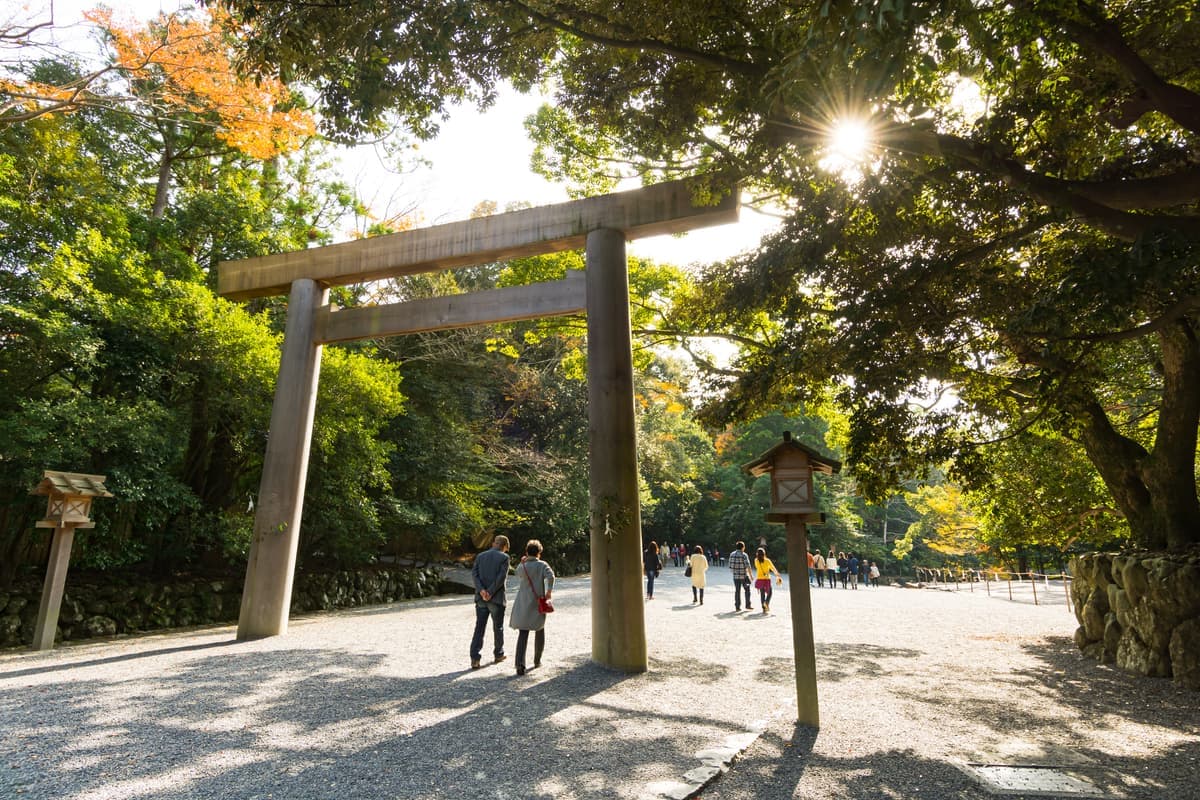
JNTO recommends early visits to reduce crowd exposure at popular sacred sites. Early morning can improve movement through outdoor precincts such as Meiji Jingu or Fushimi Inari Taisha, but some halls and gardens open later. Offices may also have delayed opening hours.
“Before 8:00” is therefore not a universal goshuin strategy. It may provide a calmer approach while still requiring a wait for office service. Check official hours and use the early time for worship and architecture rather than queueing in a doorway before staff are ready.
Late afternoon can be calmer in some places, but it also risks closed offices and last-admission cutoffs. Never derive a current closing time from a crowd chart.
Plan goshuin collection for peak conditions
Bring your goshuincho and small cash unless cashless payment is explicitly offered. Also pack blotting paper and a rigid folder for loose sheets. Worship first, then join the correct line.
Kyoto
Kyoto will be at its most festive and most packed. The Aoi Matsuri (Hollyhock Festival) is scheduled for May 15, just after Golden Week, but preparations begin early. Fushimi Inari is manageable before dawn.
Nikko
Nikko's Tōshōgū Grand Festival falls on May 17–18, but the shrine is spectacular during Golden Week itself. The cedar avenues are stunning in fresh green.

Kamakura
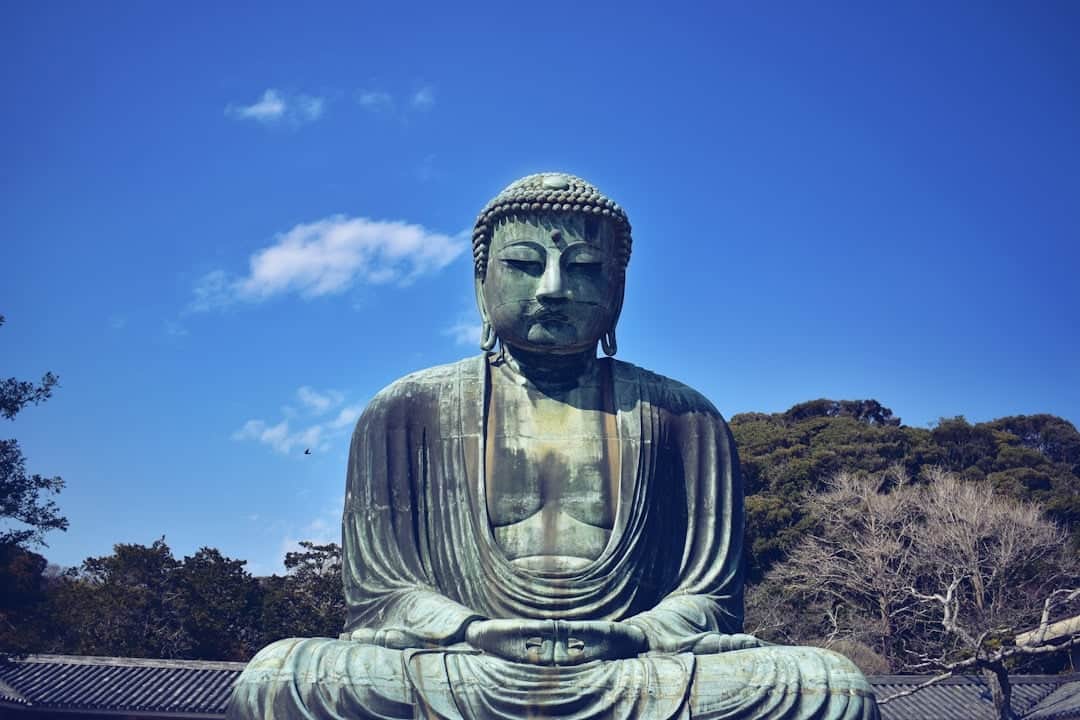
The Great Buddha and surrounding temples are extremely popular. Head to the less-visited Engaku-ji or Zuisen-ji for a quieter experience.
Tokyo
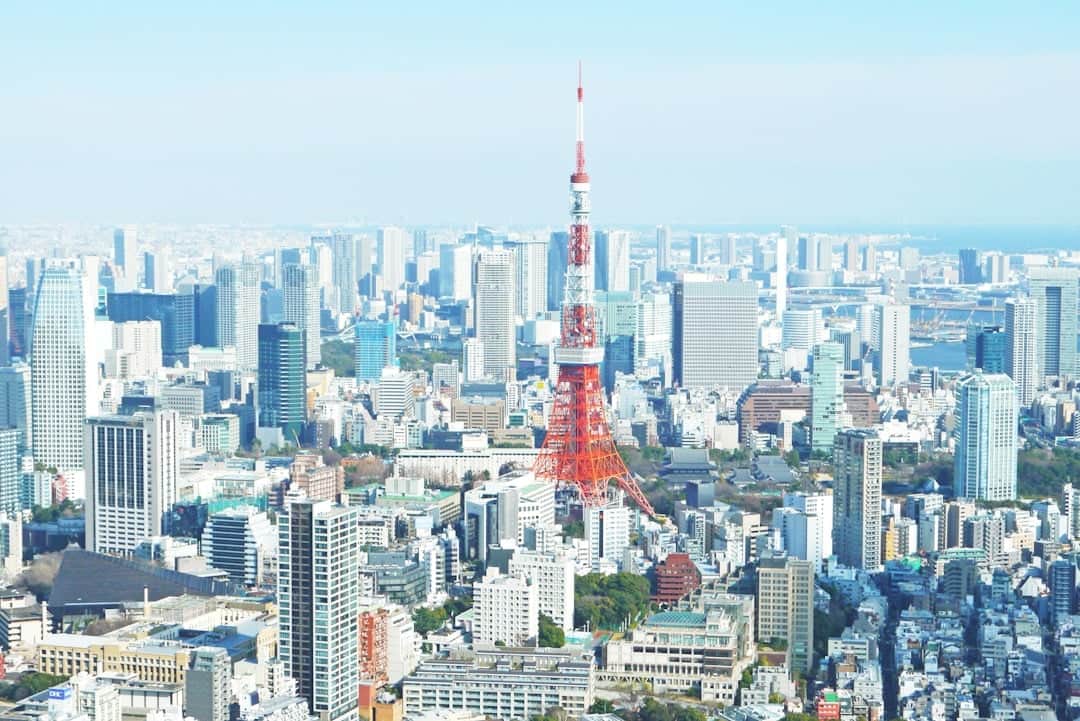
Senso-ji in Asakusa is iconic but overwhelmingly busy. Meiji Jingu, with its forest setting, absorbs crowds more gracefully. The Hamarikyu Gardens and nearby temples offer a calmer alternative.
During the holiday period:
- Read the institution's official website or social notice on the morning of the visit.
- Check signs before opening your book or selecting a design.
- Accept kakioki when it is the issued format.
- Do not ask staff to reproduce an older limited design.
- Move away from the counter before inspecting, photographing, or mounting the sheet.
- Let direct-written ink dry before closing the book.
The seasonal goshuin and kakioki guide explains how limited formats work without treating them as collectibles guaranteed by a date range.
Tokyo: use neighborhoods instead of crossing the city
Asakusa can pair Senso-ji and Asakusa Jinja in one compact area. They are a Buddhist temple and Shinto shrine, so worship separately and do not assume a shared office.
Meiji Jingu can anchor a Harajuku morning, while Zojo-ji or Kanda Jinja can anchor different half-days. Nezu Jinja is another option for anchoring a separate half-day. Avoid a plan that jumps between all of them only to collect pages.
Read the Tokyo goshuin route guide for area-based choices and replace any stop whose official notice indicates exceptional crowd controls.
Kyoto: reduce bus dependence and district-hopping
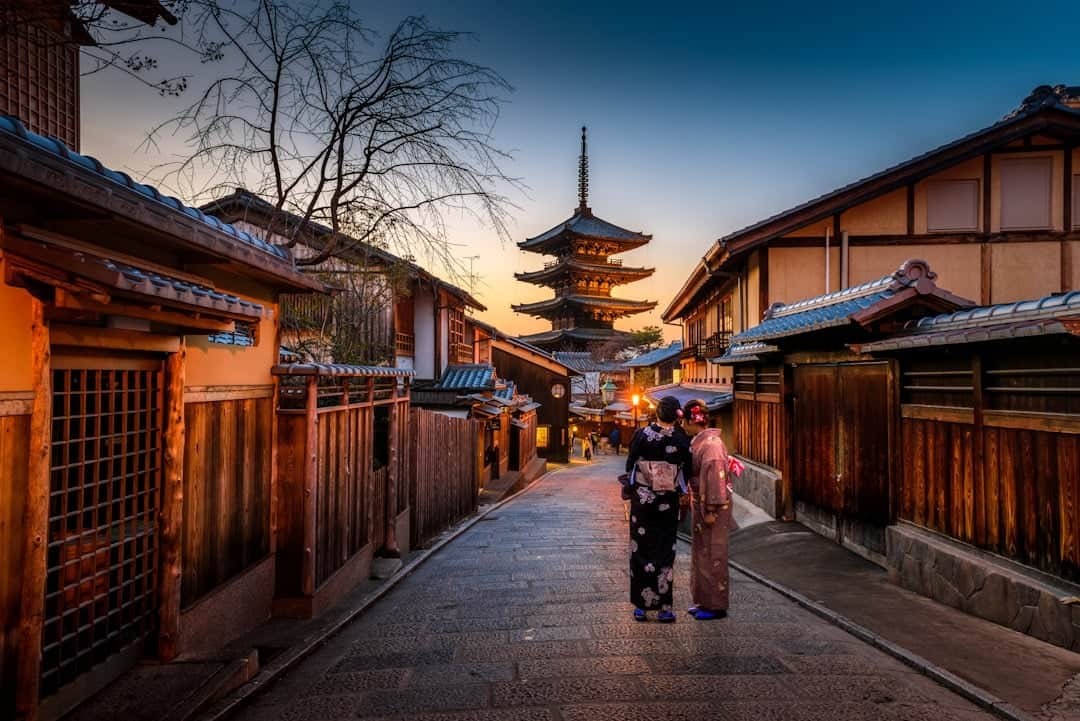
Kyoto's famous corridors can be crowded before the temple gate. Build around one district: Kiyomizu and Gion; Kinugasa and Kitano; Arashiyama and Saga; or Fushimi and southern Kyoto.
Walking and rail may be more predictable than a cross-city bus during peak periods, but terrain and accessibility matter. A route that looks compact on a map may include steep approaches and stairs. Garden circuits or controlled one-way movement can add further distance.
The Kyoto goshuin guide identifies anchor places without promising current seasonal editions. Kyoto City's official travel guide should be checked for congestion and destination notices.
Kamakura, Nikko, Nara, and regional alternatives
Popular day-trip destinations are not automatically quiet alternatives. Their inbound trains, buses, and central approaches can be extremely busy. If you choose Kamakura, build around one walking area or a verified pilgrimage route rather than attempting every major site.
In Nikko, distances and paid areas should be included in the plan. Transport from the station also requires advance consideration. In Nara, allow for park movement and separate temple precincts. Mountain and rural sites may reduce urban crowds but introduce limited buses and steep paths. Weather exposure and earlier return constraints are additional factors.
“Hidden gem” should never mean an unprepared visit to a small religious community. Confirm that visitors are welcomed and that the office is operating.
Etiquette under crowd pressure
Crowds do not suspend ordinary respect. Keep gates and approaches moving and avoid setting up tripods in worship queues. Do not photograph people at close range without consent. Follow the shrine's posted bow-and-clap sequence and pray quietly at Buddhist temples without clapping.
At a temizuya, use the purification arrangement provided; if it is closed, continue without improvising. At the offering box, there is no required lucky denomination. Place an offering within your means and do not throw coins toward buildings or staff.
Review the Shinto shrine etiquette guide and Buddhist temple etiquette guide before the trip so the sequence remains calm even when a line forms behind you.
Accessibility and family planning
Golden Week changes the cost of a mistake. A missed lift or inaccessible gate is harder to solve inside a dense crowd. An exhausted child presents the same difficulty. Check official accessibility pages and accessible station exits before arrival. Toilet locations and stroller rules also require advance review.
Children's Day on May 5 may bring family events and koinobori decorations, but individual programs are local. Confirm dates and participation requirements with the organizer. Do not present a past-year event as a 2026 promise.
Plan seated breaks away from worship lines and carry water without drinking in restricted halls. Keep emergency and medication needs independent of vending-machine availability.
Weather and what to carry
Late April and early May conditions vary by region and elevation. Use the Japan Meteorological Agency forecast close to departure rather than a generic packing claim. Practical items include:
- comfortable shoes for stone, gravel, and steps;
- a light layer and rain protection suited to the forecast;
- a compact bag that stays out of crowded paths;
- cash and a transit payment method;
- phone power for current notices and route changes;
- a goshuincho pouch and rigid kakioki folder;
- prescribed medication and water.
Large luggage should remain at accommodation or in an appropriate storage service. Historic halls and packed buses are poor places to maneuver a suitcase.
A resilient one-day template
Previous evening: verify official notices and transport details. Also check weather and accessibility before the day begins.
Morning: visit the anchor place for worship and the full precinct. If the goshuin office opens later, enjoy the site rather than waiting in a doorway.
Midday: eat and rest outside the worship route. Recheck disruption notices.
Afternoon: choose one nearby place whose hours are confirmed. Skip it if queues or transport would force a rushed arrival.
Evening: let ink dry and protect loose sheets. Record the actual visits in Goshuin Atlas and verify the next day instead of relying on the original itinerary.
The goal is not to defeat Golden Week. It is to leave enough structure and flexibility for sacred places to remain more than crowded checkpoints.
Sources
Editorial standards
Goshuin guides follow our cultural accuracy and source-review standards. Editorial standards
Reviewed by David Dias on July 29, 2026
Was this guide helpful?
Related Articles
Best Goshuin in Kyoto: Practical Area Routes
Build respectful Kyoto goshuin days by district with Goshuin Atlas place records, access planning, and clear last-minute caveats.
Best Goshuin in Tokyo: Ten Temple and Shrine Stops
Plan respectful Tokyo goshuin routes through Asakusa, Harajuku, Setagaya, Shiba, Kanda, and Bunkyo with official verification guidance.
Complete Guide to Goshuincho Stamp Books
Choose, present, protect, and store a goshuincho, including page formats, kakioki sheets, ink care, office etiquette, and respectful collection.