
Admission
Not confirmed
At a Glance
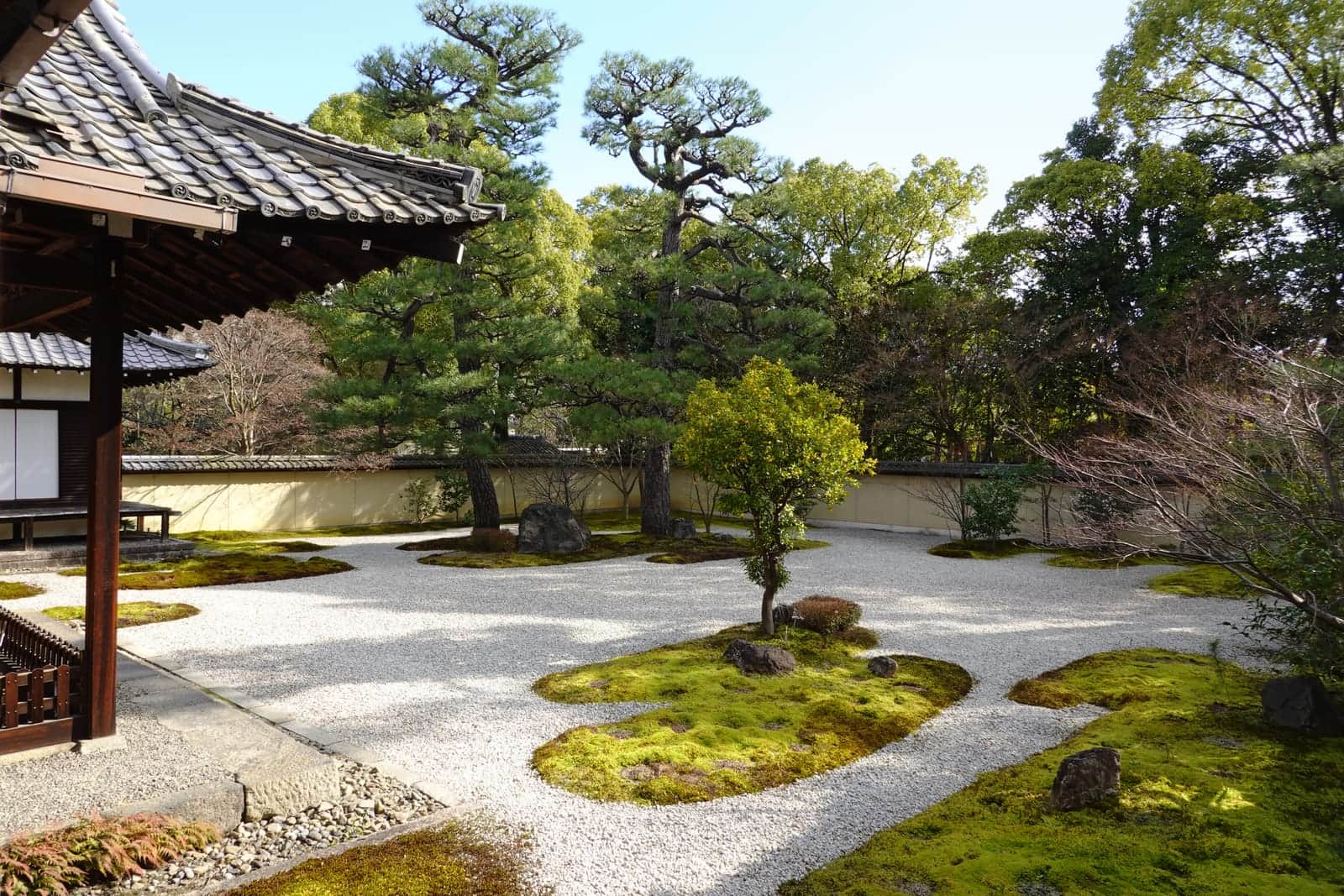
In 1869, Saionji Kinmochi established the Ritsumeikan school on this very site after his family moved to Tokyo, it later grew into the prestigious Ritsumeikan University.
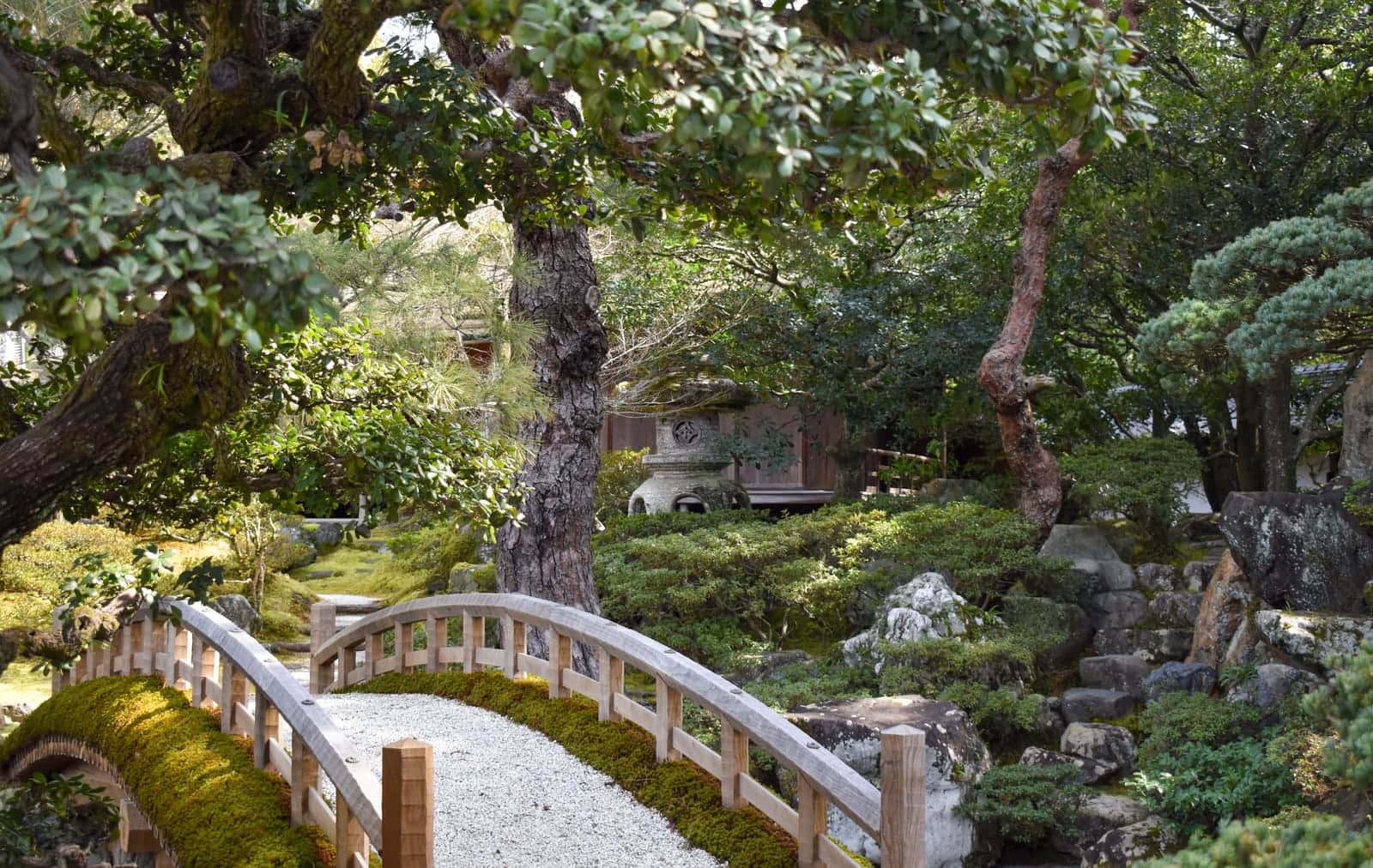
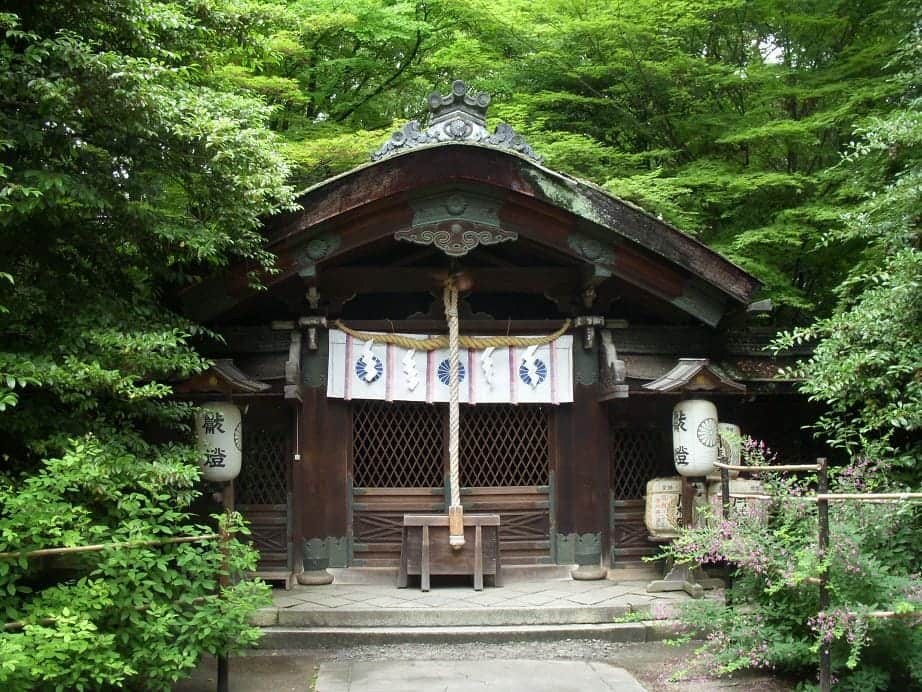
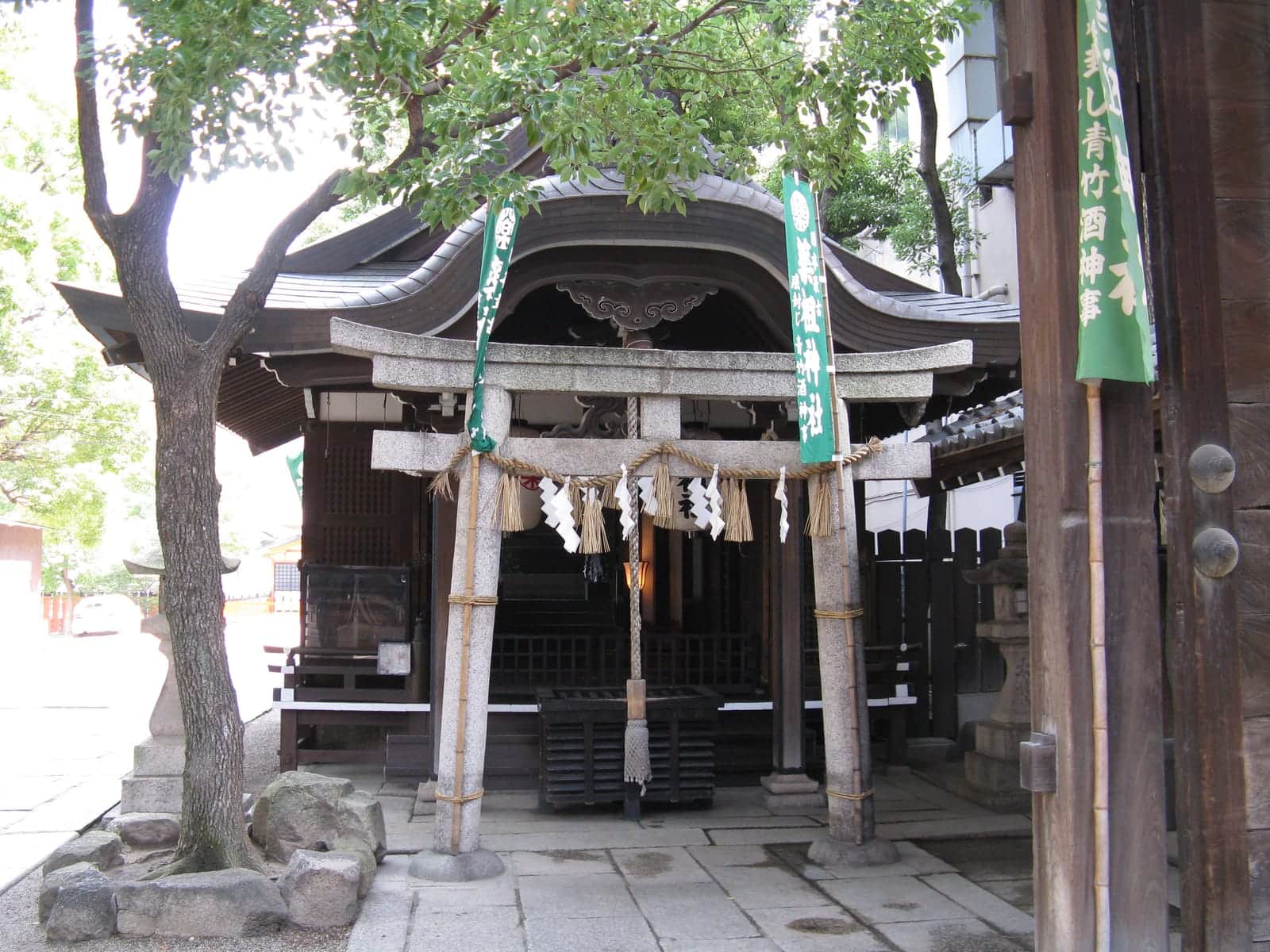
Shirakumo is a Shinto shrine located within Kyoto Gyoen National Garden, the green precinct surrounding the Kyoto Imperial Palace.
This shrine offers 1 different goshuin designs
Regular
¥500
Not confirmed
Facilities
Shopping
Experience
Expect a quiet, low-key visit: Shirakumo is a small shrine inside Kyoto Gyoen, so it suits travelers seeking a short, peaceful stop.
Visit during weekday mornings for a quieter experience, as the shrine sits along the main axis of the Imperial Palace park and can receive steady foot traffic from palace visitors.
Pair Shirakumo with a walk in Kyoto Gyoen; being inside the National Garden makes it easy to combine with other nearby palace-area sights.
The shrine is dedicated to Ichikishima-hime (also known as Myōon Benzaiten) and Emperor Go-Horikawa, who is uniquely venerated for blessings in music and the arts rather than political achievements.
The shrine is located directly within Kyoto Gyoen National Garden near the Imperial Palace, accessible via a 9-minute walk from Marutamachi Station on the Kyoto City Subway.
The shrine houses a Wooden Seated Benzaiten Statue, designated as an Important Cultural Property in 2002, which was formerly the principal object of worship at Saionji Myōondo.
This is one of the smallest imperial shrines in Japan, occupying a space no larger than a traditional townhouse with a main hall only three meters wide.
The divine spirits venerated at this sacred place

More ways to continue from this place.
What this place is believed to grant
Within 300 m Within 600 m Distance unavailable

KT163-安達くみひも館
docomo bike share
KT164-護王神社
docomo bike share
KT057-京都ガーデンパレス
docomo bike share
Renting needs the operator's app and a Japanese phone number. docomo day passes are sold at convenience stores. Data sources
Also called Shirakumo
Kamigyo, Kyoto Prefecture
2 recent posts
Share how your visit was to help other travelers.
 MC
MCMaxime Caron checked in
Shirakumo Jinja
Kamigyo, Kyoto
Aaron Weber checked in
Shirakumo Jinja
Kamigyo, Kyoto
