Goddess of water, the sea, maritime safety, prosperity, and sacred boundaries
Ichikishimahime-no-Mikoto is a goddess of Japanese mythology and one of the three Munakata goddesses, a trio of divine sisters venerated for their connection to the sea and its safe passage. She is regarded as a deity of water and is recorded in the Kojiki under the name Ichikishimahime and in the Nihon Shoki as Ichikijimahime. She is also known by the alternate name Sayorihime-no-Mikoto.
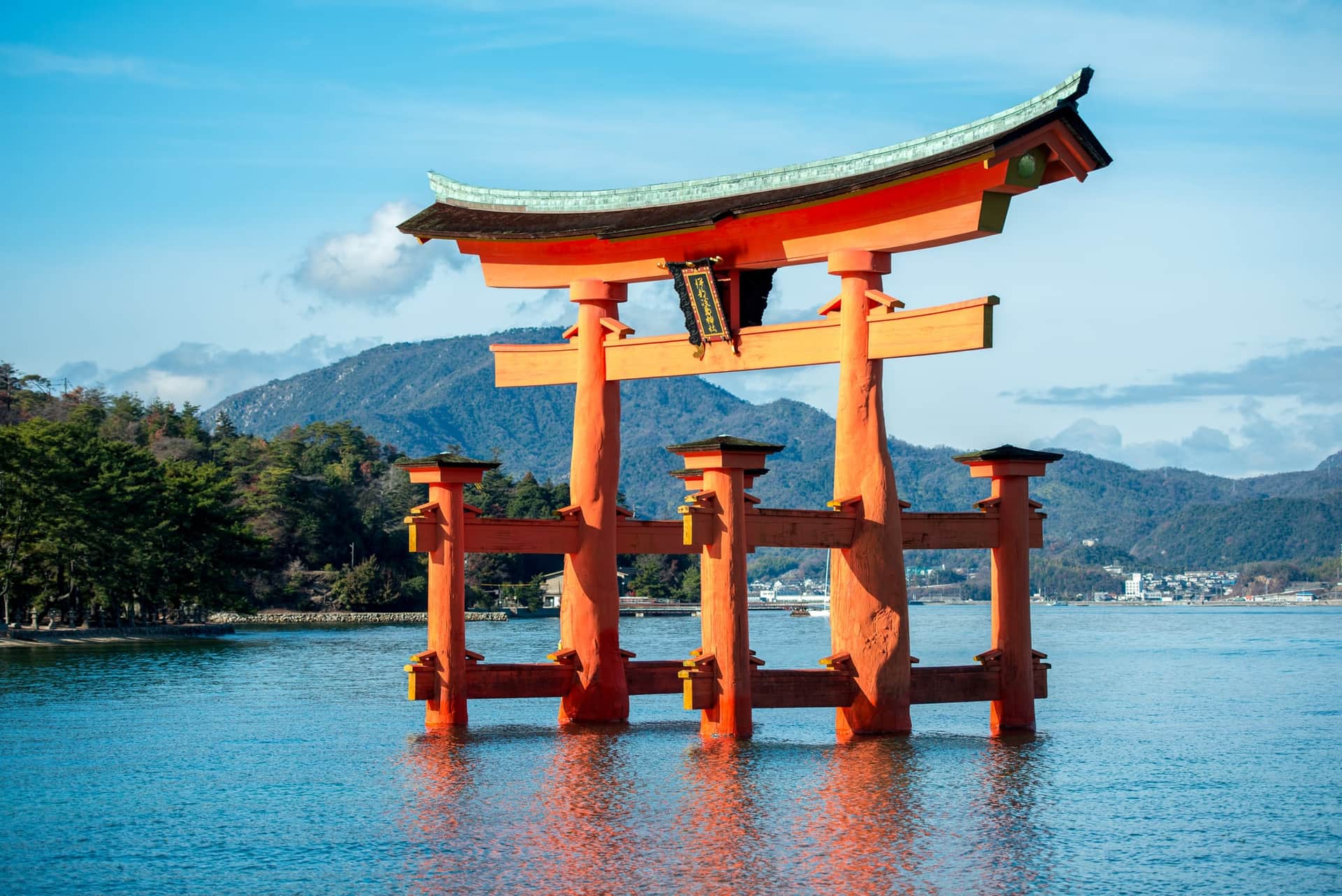
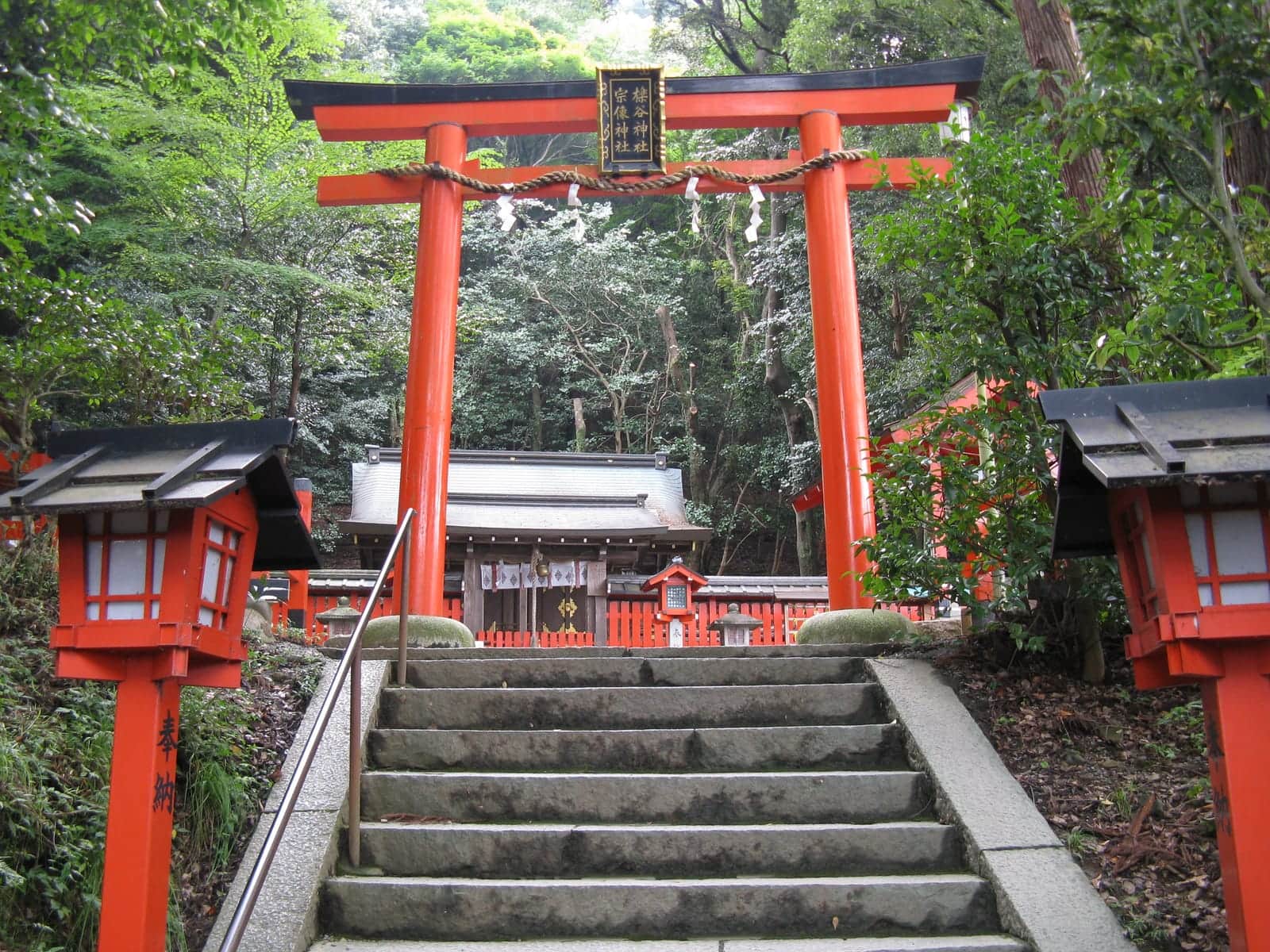
As one of the Munakata deities, she has long been worshipped by seafarers and fishing communities along the coasts of Japan, and she is closely associated with the protection of maritime trade routes and safe voyaging across the seas. Her worship is centered at the Munakata Grand Shrines in Fukuoka Prefecture, a site of such ancient and enduring reverence that it has been recognized as a UNESCO World Heritage Site.
Her domain extends beyond the sea to encompass sacred boundaries and the purifying power of water, qualities that make her a figure of particular importance in Shinto ritual and cosmology. The Munakata goddesses as a group are said to have been born from a mythological exchange between Amaterasu and Susanoo, lending them a prestigious place in the divine genealogy of Japanese tradition.