
Arrive by 4:30 PM if you want to potentially hear the monks chanting, which adds an unexpected spiritual dimension to the visit and helps you feel the temple's living religious function beyond its historical fame.
At a Glance
The temple you're standing in isn't the original, it was rebuilt 1.4 kilometers away in 1591 after Oda Nobunaga's death there, because Toyotomi Hideyoshi wanted a fresh start on unmarked ground.
Nobunaga's attendant Mori Ranmaru died alongside him during the 1582 siege, and the temple's second-floor museum holds artifacts and documents specifically about this young samurai's final moments.
Same as opening hours
This temple offers goshuin, but we don't have photos yet. Be the first to share yours!
Arrive by 4:30 PM if you want to potentially hear the monks chanting, which adds an unexpected spiritual dimension to the visit and helps you feel the temple's living religious function beyond its historical fame.
Collect a goshuin (temple stamp) as a tangible record of your visit. Honnō-ji offers four varieties including two pre-printed versions (300 yen each) and two hand-written options (one at 300 yen, one at 700 yen for a special gold-colored stamp book).
Plan to spend 30-45 minutes total if you're visiting the grounds only, but allocate 90 minutes if you want to see the second-floor museum with artifacts related to Oda Nobunaga and his attendant Mori Ranmaru.
Visit on a weekday afternoon rather than weekends or holidays to experience the temple's defining characteristic: profound quiet and solitude.
If you're interested in Japanese medieval history but new to the period, read the distributed historical leaflets before or during your visit.

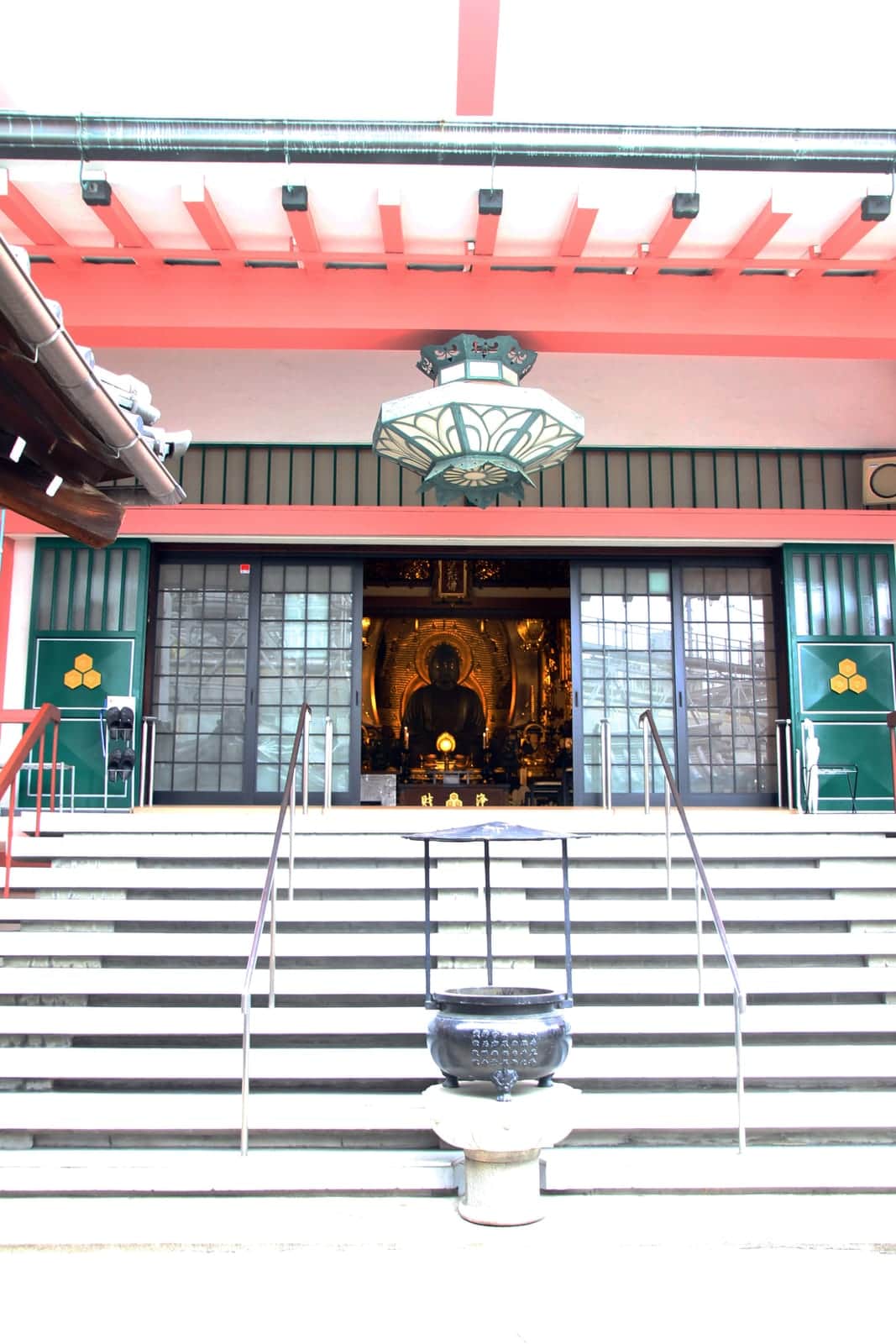

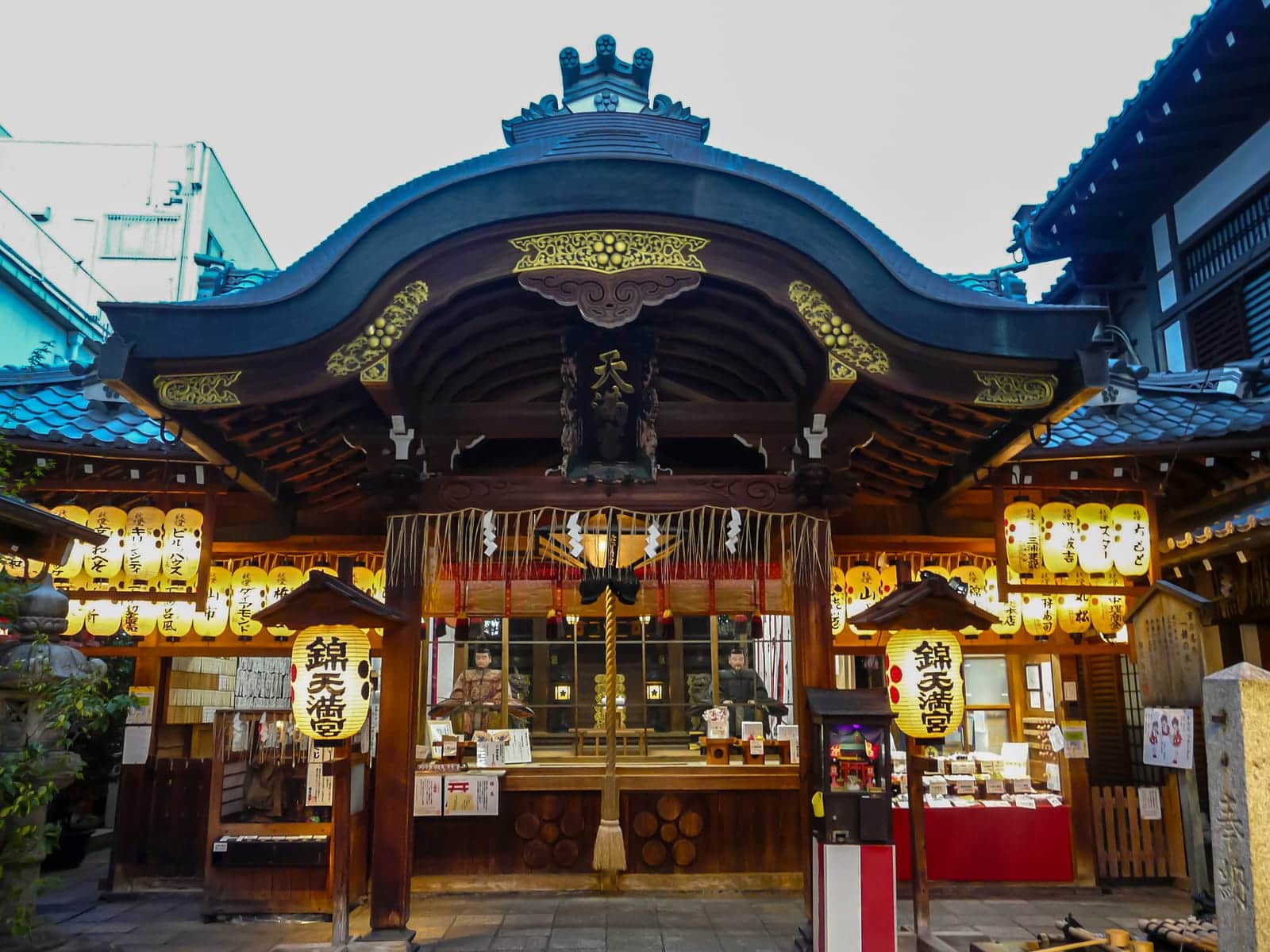
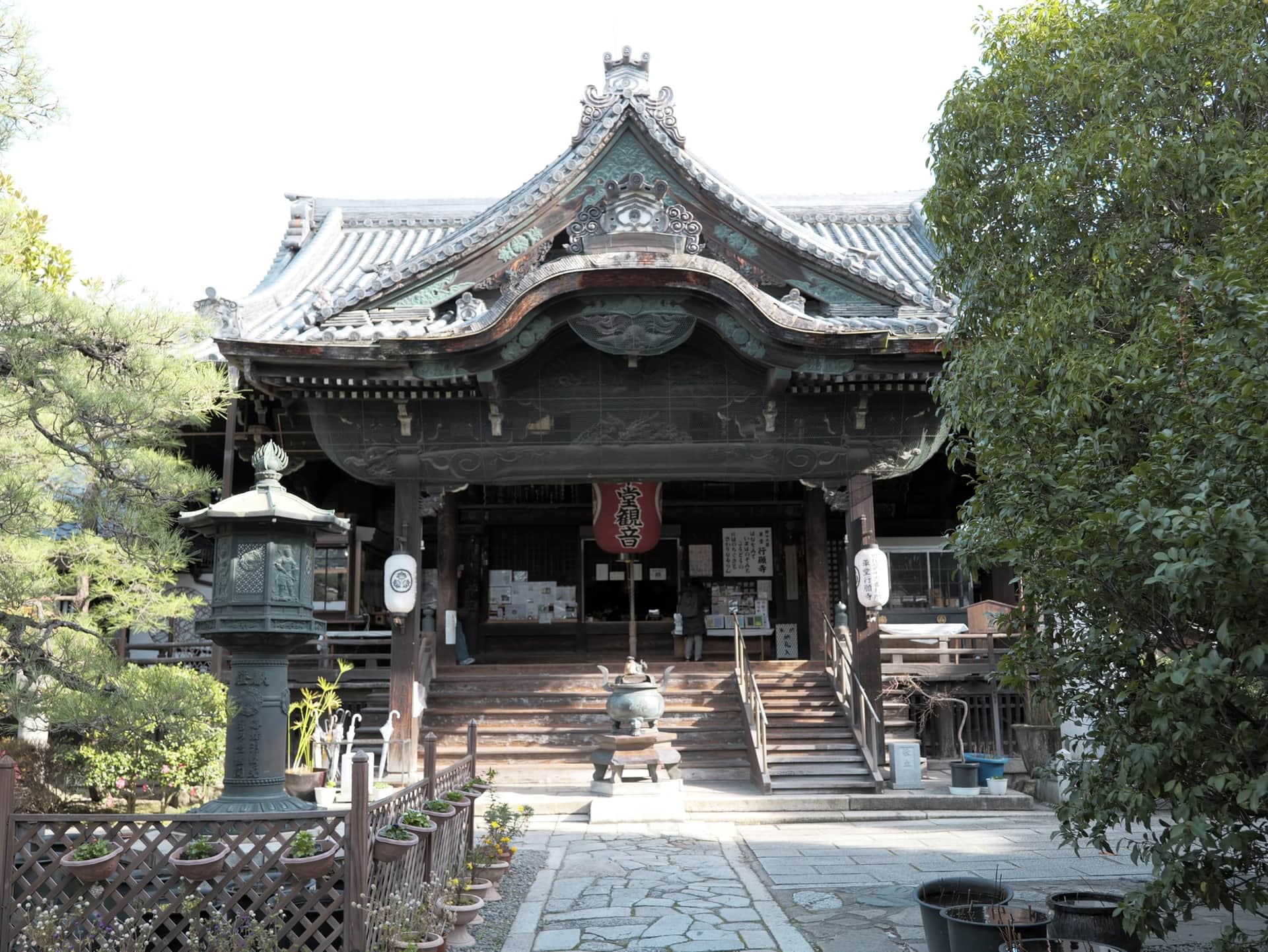
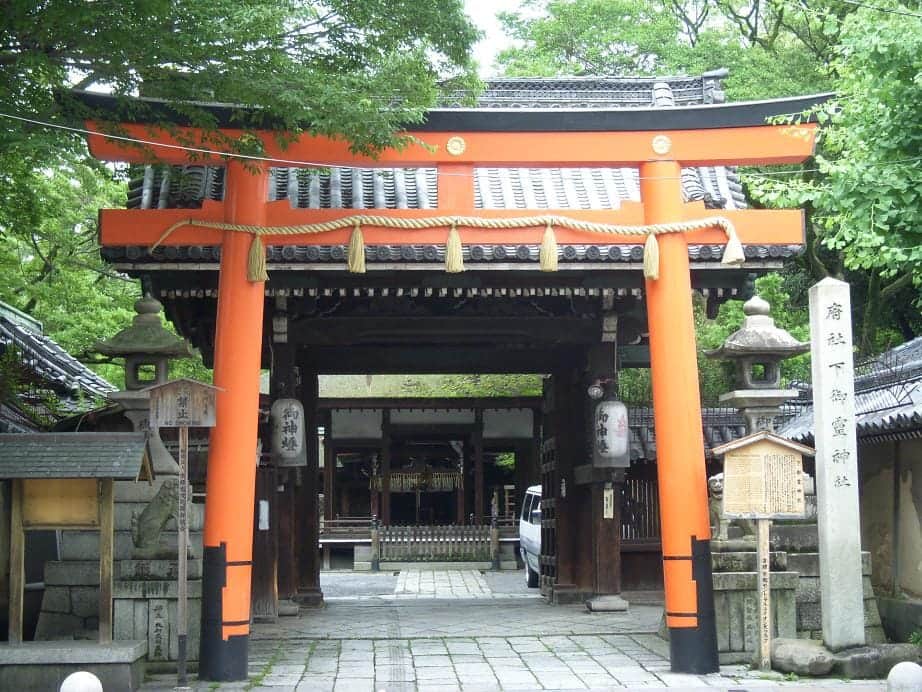
Not confirmed
Nakagyo, Kyoto Prefecture
More ways to continue from this place.
Within 300 m Within 600 m

KT562-京都市役所前(南西)
docomo bike share

クロスホテル京都
HELLO CYCLING
KT058-Vine Oak Aiina
docomo bike share
Renting needs the operator's app and a Japanese phone number. docomo day passes are sold at convenience stores. Data sources
4 recent posts
Share how your visit was to help other travelers.
Dean Wallace checked in
Honno-ji
Nakagyo, Kyoto
 SPPro member
speedymajuPro checked inLocation matched
Honno-ji
Nakagyo, Kyoto

