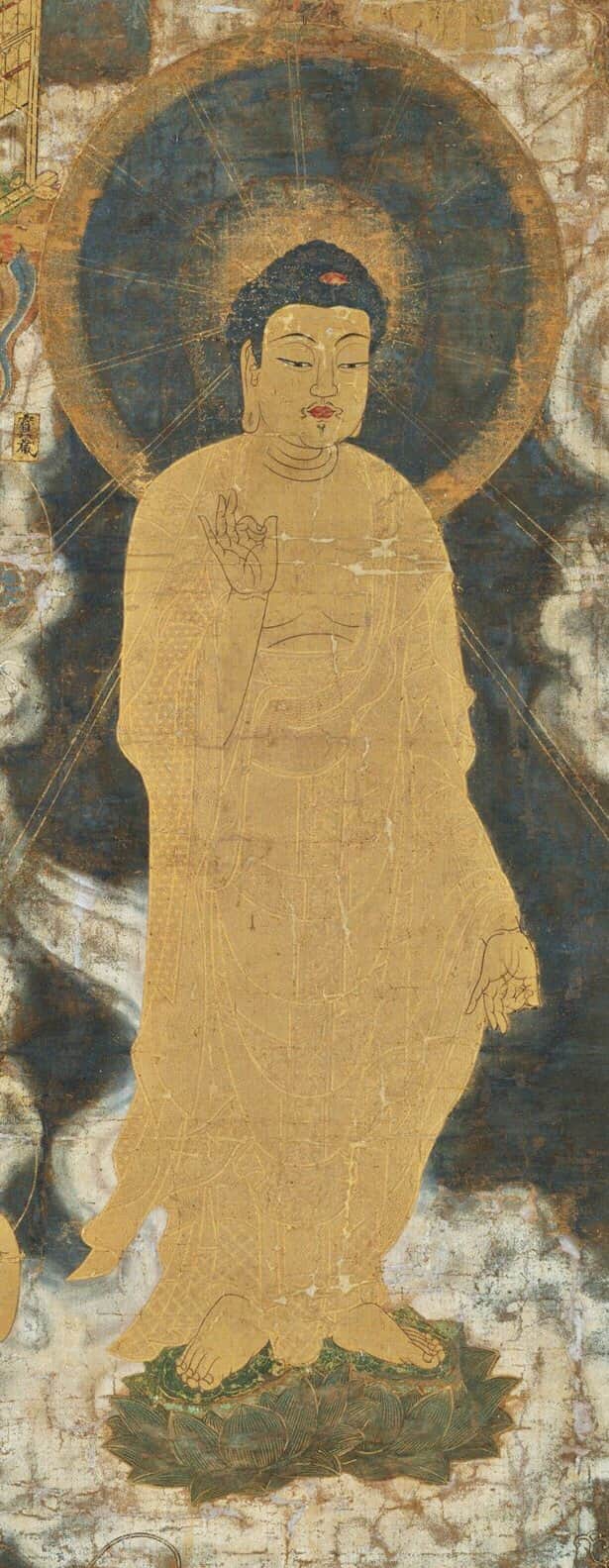
Confirm the exact Seiganji before visiting: this record follows the Google Places site in Nishi Ward, Saitama (postal code 331-0048), while travel sources list other Seiganji temples in Japan.
At a Glance
The temple's karesansui garden uniquely uses moss instead of gravel to represent water, and after heavy rains, it transforms into an actual pond thanks to ancient wells designed to channel water through the garden.
The famous monk Eisai, who introduced Zen Buddhism to Japan, stayed at Seigan-ji before his second journey to China. The only surviving document written in his own hand describes this temple's founding and is a National Treasure.
This temple offers 1 different goshuin designs
Same as opening hours
Regular
Confirm the exact Seiganji before visiting: this record follows the Google Places site in Nishi Ward, Saitama (postal code 331-0048), while travel sources list other Seiganji temples in Japan.
Consider trying the meditation activity that involves tracing designs of Buddhas or Bodhisattvas on soft Japanese paper, which offers a centering and relaxing experience in the quiet temple atmosphere.
Take time to appreciate the unique karesansui garden which uses moss instead of traditional gravel to represent water, and if possible, visit after heavy rains when the garden pools water into a small pond for a dramatically enhanced view.
After exploring the temple and garden, visit the on-site cafe which offers modern design with excellent garden views and serves refreshments like matcha cake and iced green tea.
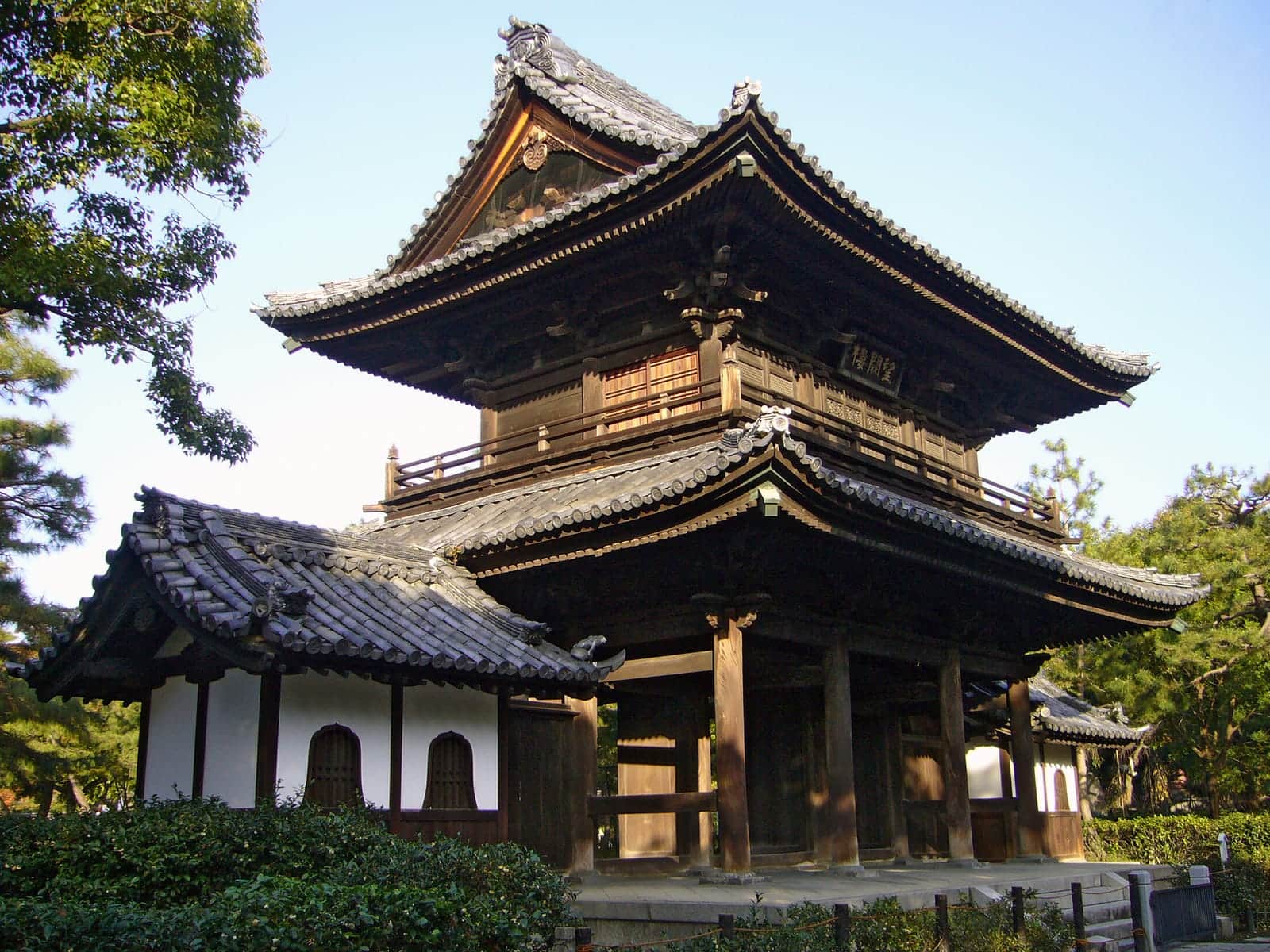
Pay attention to the meticulous craftsmanship and woodwork of the temple gate upon entry, and look for the turtle-shaped rock feature with a matsu pine tree representing a crane on its back in the centerpiece garden.
Maintain a quiet and respectful demeanor throughout your visit to preserve the tranquil atmosphere of this heavily forested temple grounds with its ancient trees and solemn shrines.
The temple is located about a 5-minute walk from the Tamatsukuri Onsen spa town, making it easy to combine your visit with a trip to the nearby Tamatsukuriyu Shrine for a fuller cultural experience.
The divine spirits venerated at this sacred place
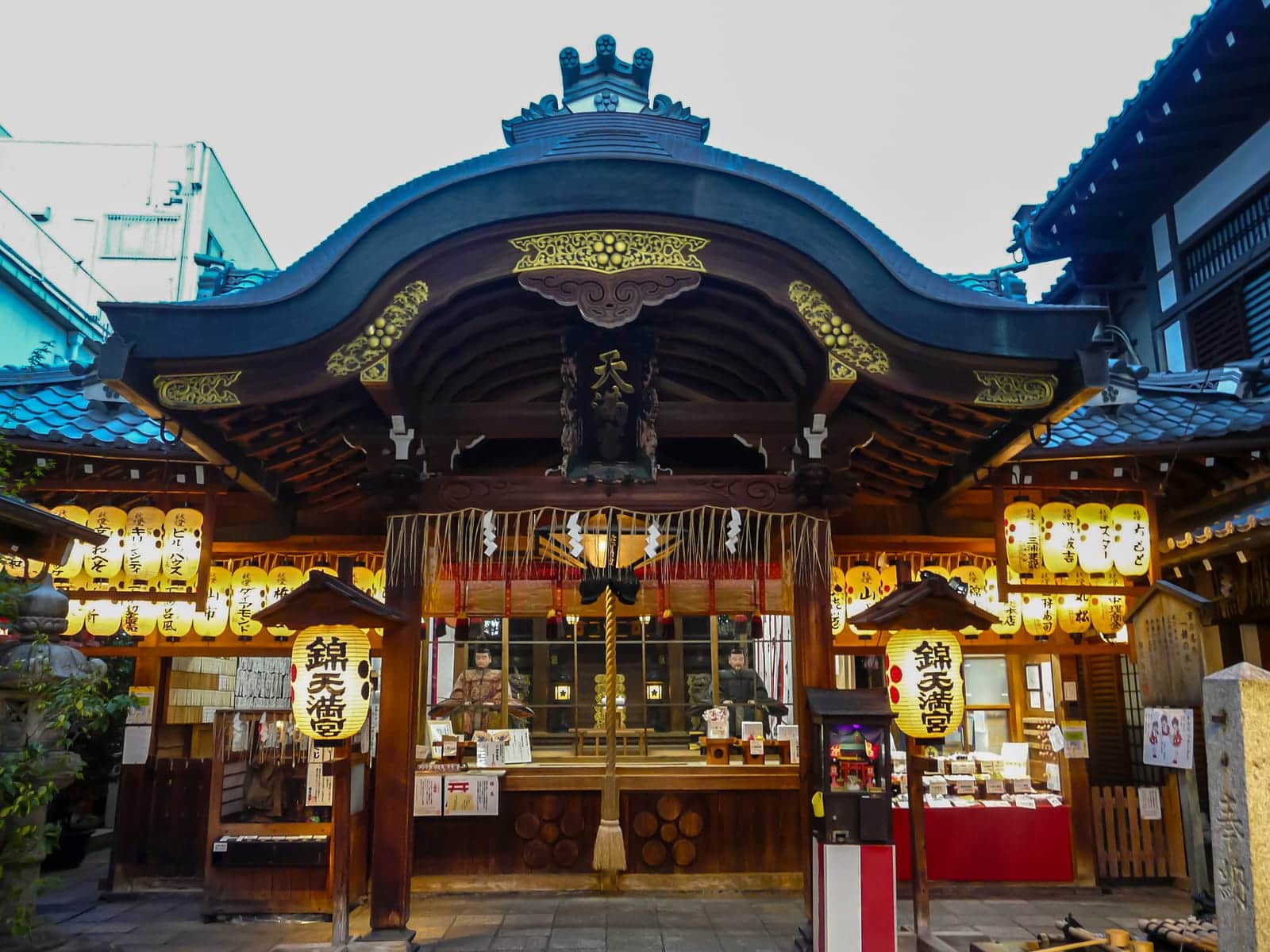

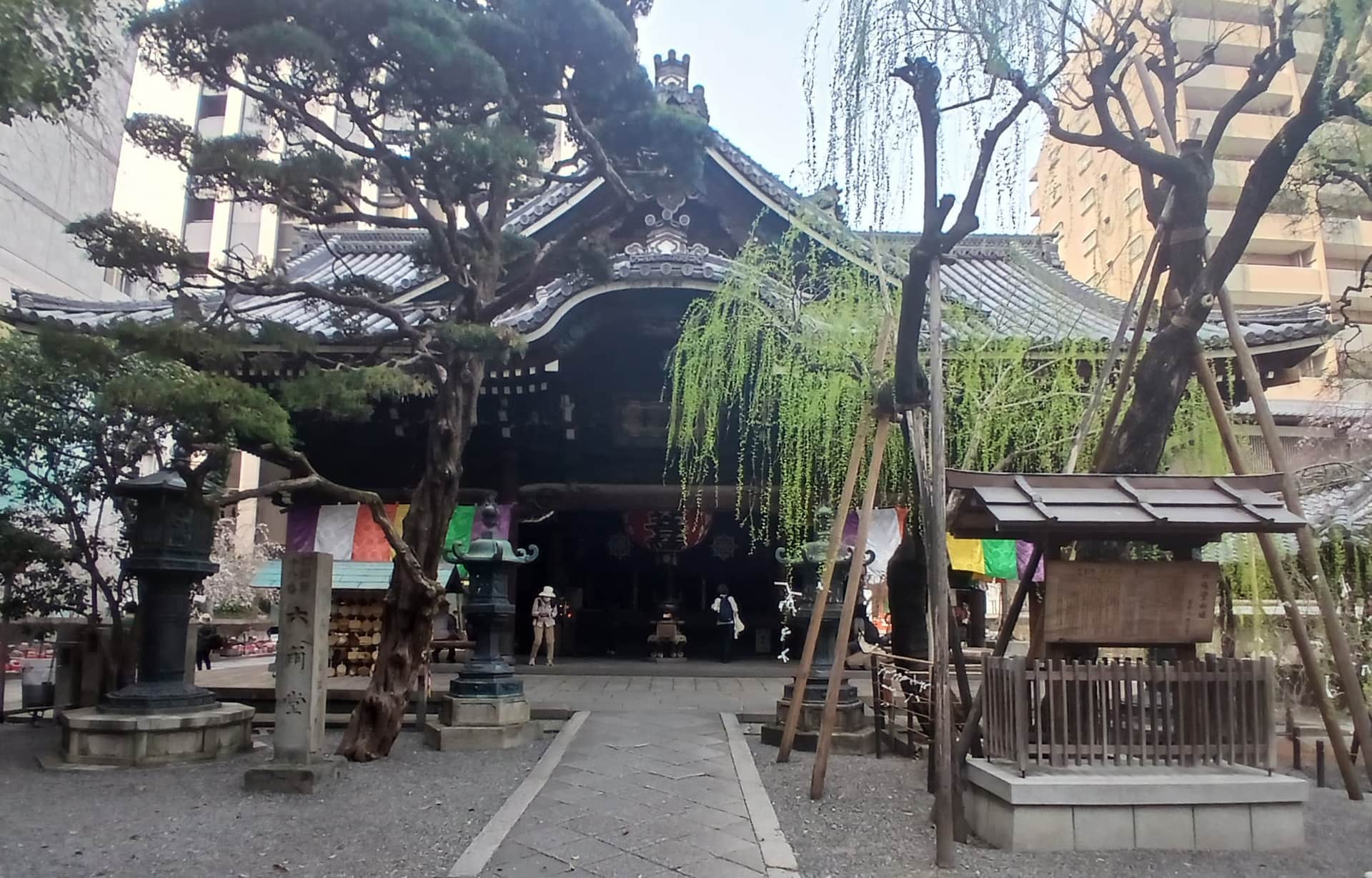
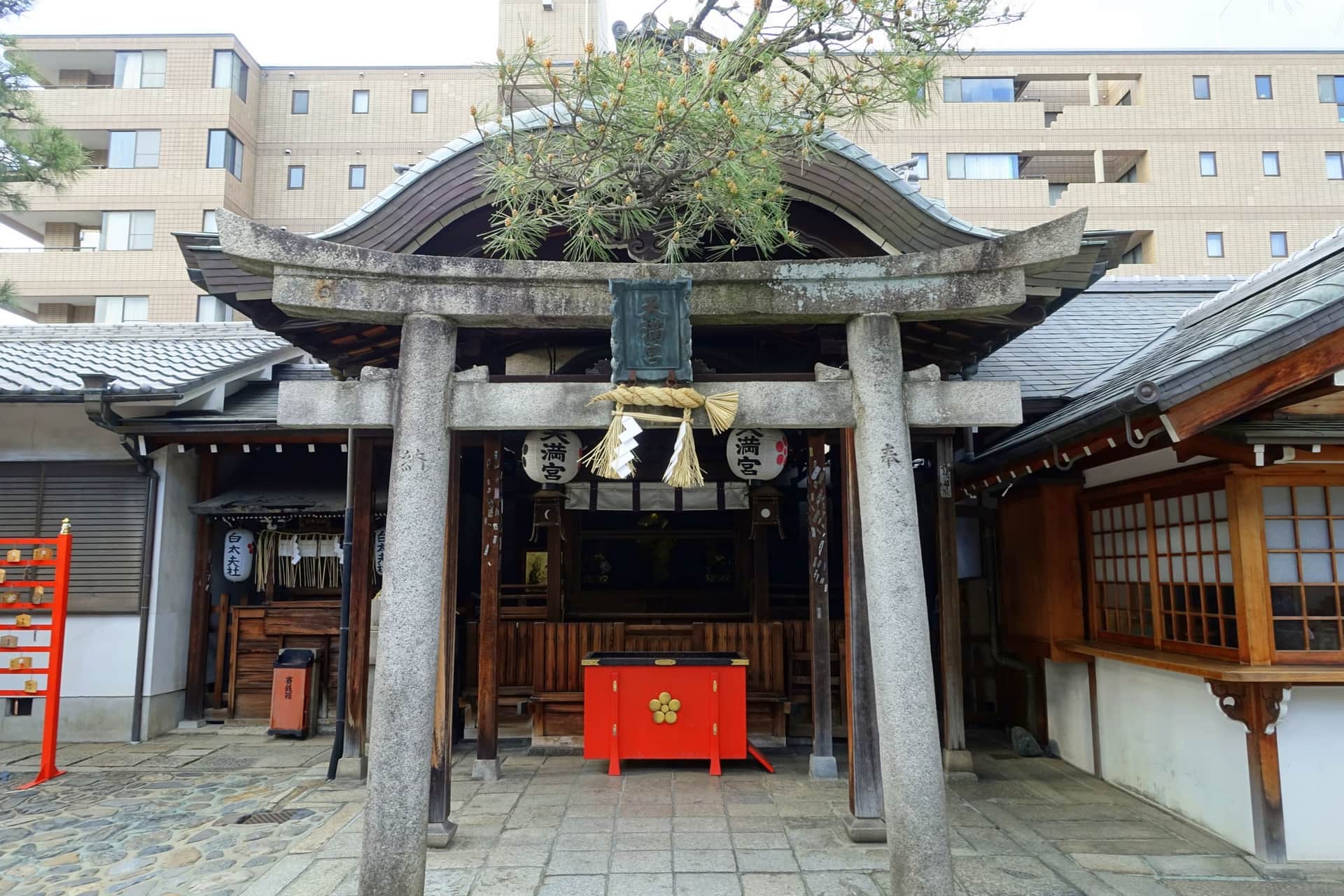
Not confirmed
More ways to continue from this place.
Nakagyo, Kyoto Prefecture
Within 300 m Within 600 m
Renting needs the operator's app and a Japanese phone number. docomo day passes are sold at convenience stores. Data sources
What this place is believed to grant
4 recent posts
Share how your visit was to help other travelers.
Dean Wallace checked inLocation matched
Seigan-ji
Nakagyo, Kyoto
 SPPro member
speedymajuPro checked inLocation matched
Seigan-ji
Nakagyo, Kyoto