Regular
At a Glance
Kawazu cherry trees bloom here in early spring, and visitors can tie pink ribbons (花帯) to the branches, a unique custom that creates an incredibly photogenic combination of sakura and ribbons.
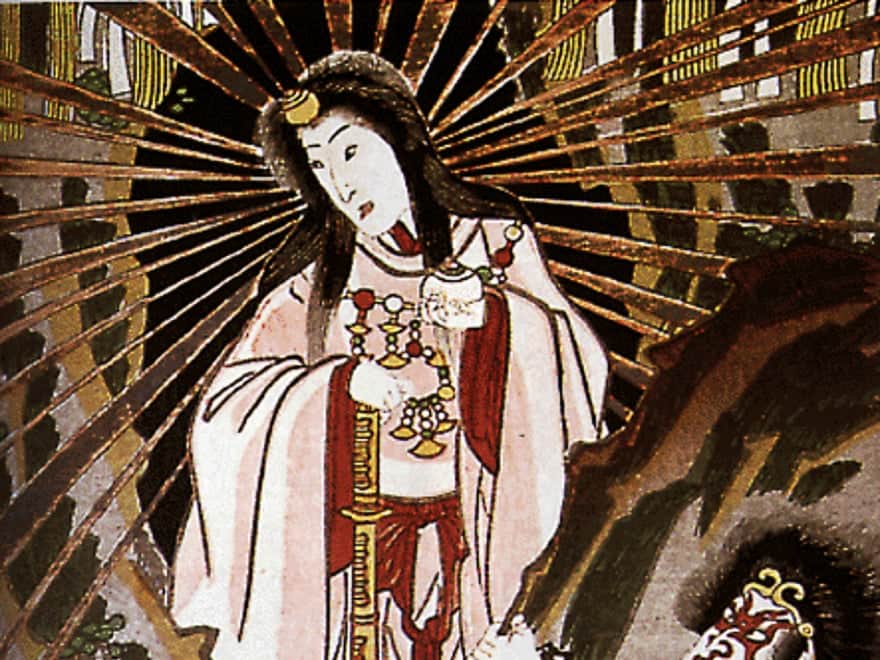
The shrine's founder, Yoshimura Masatsune, received a divine message from Empress Yamato-hime at Ise Shrine to name his teachings "Shinshū" (神習), meaning "learning the ways of the gods."
This shrine offers 7 different goshuin designs
Regular
Seasonal
¥500
Regular
Limited edition
¥1,000
Monthly
¥500
Regular
¥1,000
Regular
¥500
Expect significant wait times at the授与所 (juyosho/amulet office) for御朱印 (goshuin/shrine stamps) and御守り (omamori/amulets), especially during cherry blossom season when waits can reach 1-2 hours.
The shrine offers beautifully designed limited edition御朱印 (goshuin) that change monthly and seasonally, including special zodiac designs in January and pink cherry blossom-themed versions in February.
The shrine practices traditional Shinto rituals including rare ceremonies like fire-walking (火渡り/hiwatari) and kettle divination (釜鳴り/kamanari), which are uncommon among Japanese shrines.
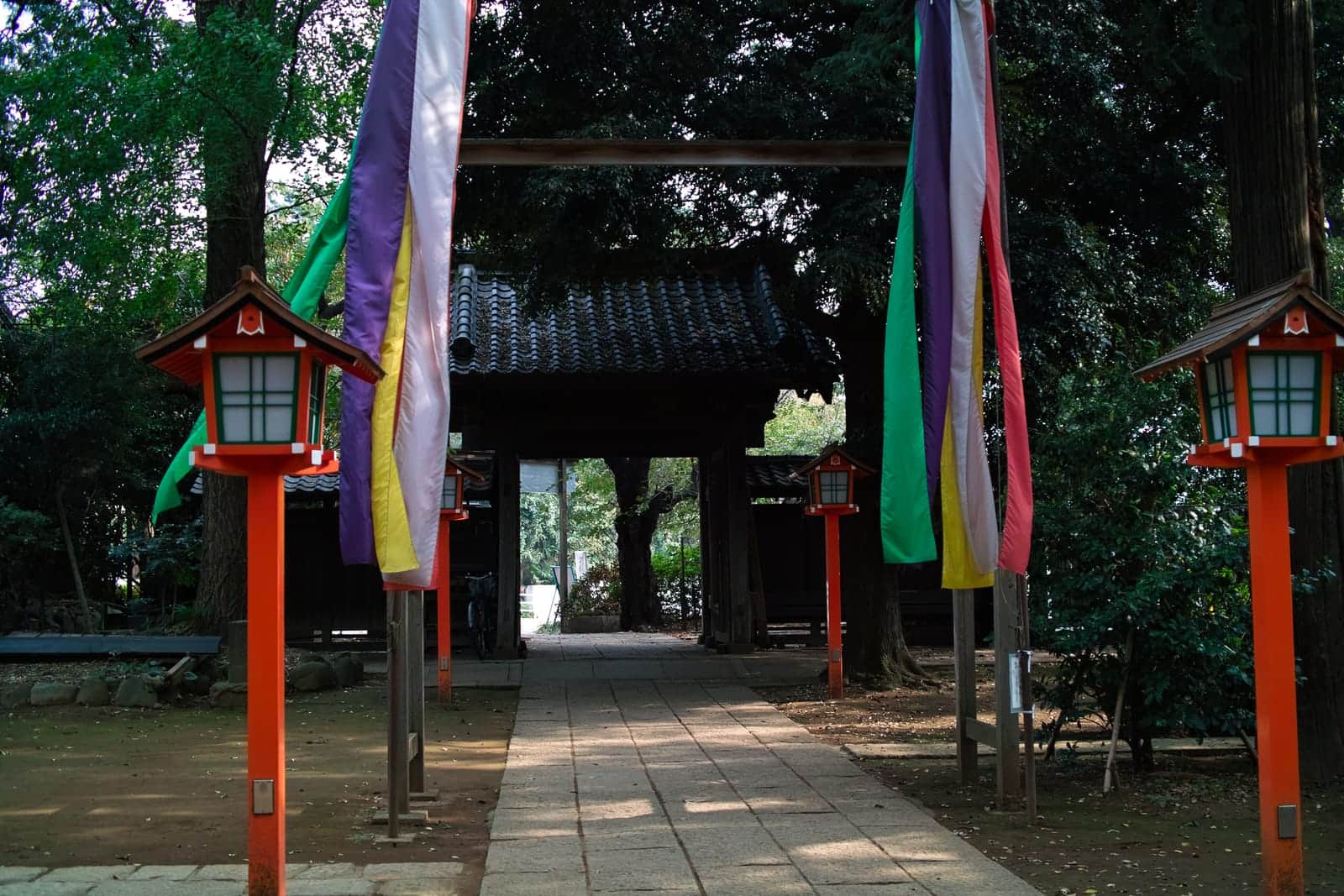
The shrine is conveniently located just a short walk from the nearest subway station in Sakura-Shinmachi, making it very accessible by public transportation.
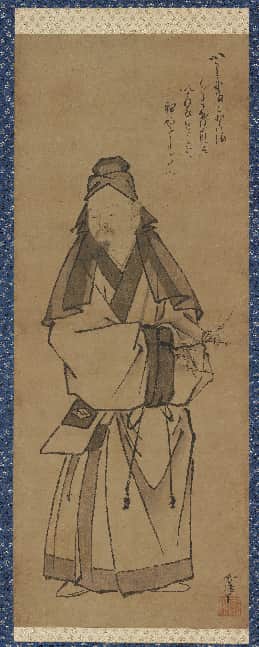
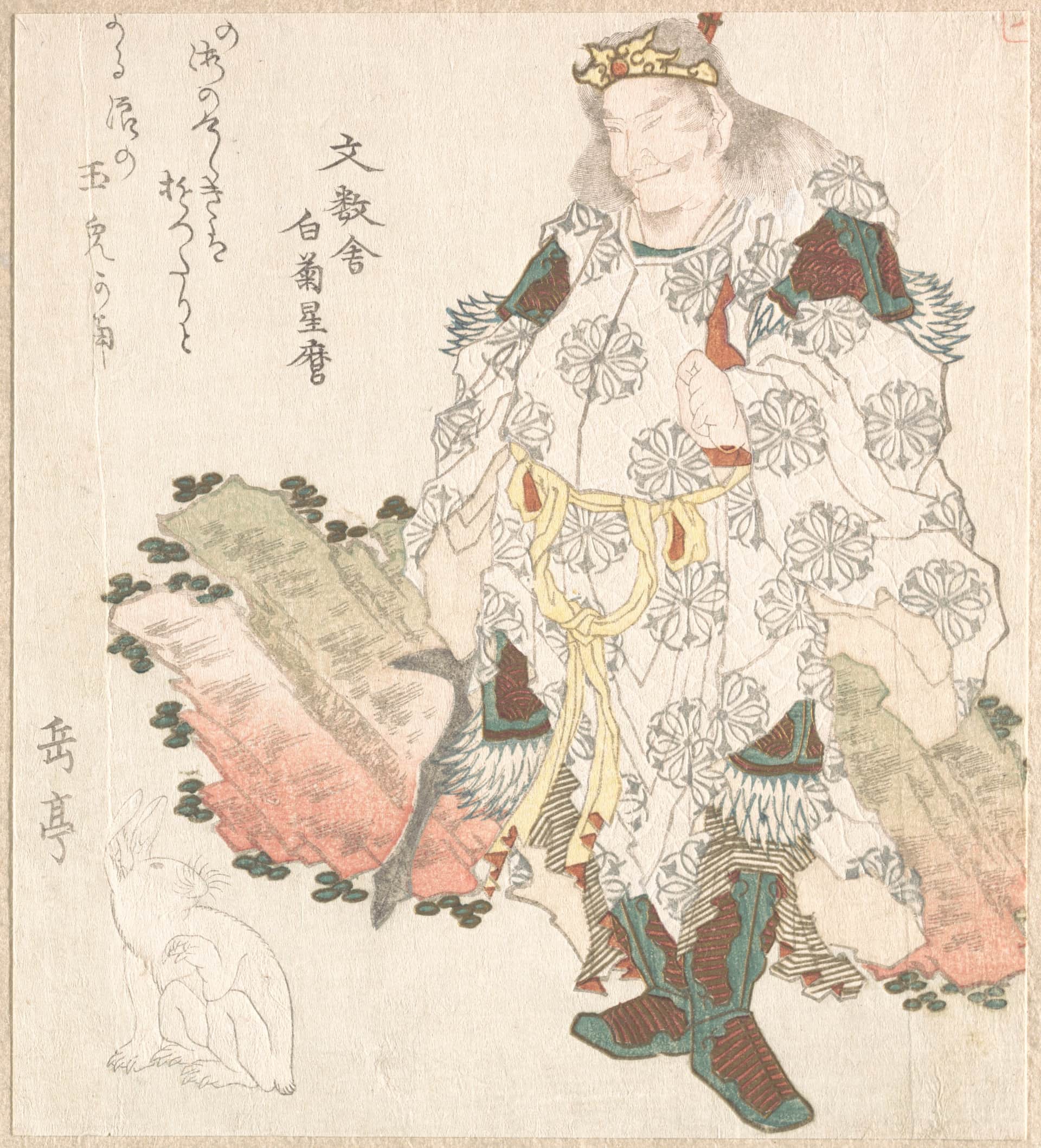
The divine spirits venerated at this sacred place



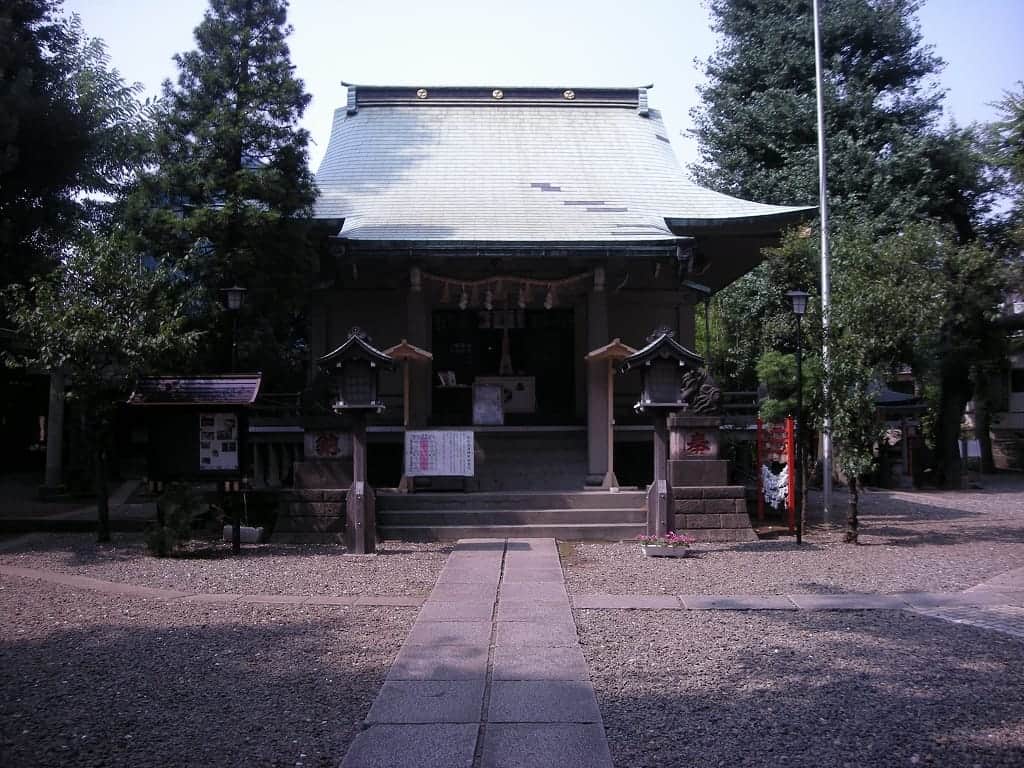
Typical Crowds
Bustling
Visit Duration
45-60 minutes
More ways to continue from this place.
Within 300 m Within 600 m
Timetable data: Public Transportation Open Data Center
Renting needs the operator's app and a Japanese phone number. docomo day passes are sold at convenience stores. Data sources
What this place is believed to grant
Setagaya, Tokyo Prefecture
8 recent posts
Share how your visit was to help other travelers.
Vikki Pena shared a goshuin
Vikki Pena shared a goshuin
 CL
CLCeleste Lim shared a goshuin