
Access Todoroki Valley directly from beside the shrine office next to the main hall, where you can descend stone steps to explore the 1km walking path along Yazawa River with its cooler microclimate (about 3 degrees difference from street level).
At a Glance
According to legend, the temple's Fudo statue was created 1,300 years ago, and 800 years ago a monk named Kōkyō Daishi discovered this valley in a prophetic dream showing him where to enshrine it.
The temple's amulets feature adorable paw prints and are specifically blessed for pets' safety, making this a popular pilgrimage site for pet owners seeking divine protection for their animals.
This temple offers 2 different goshuin designs
Same as opening hours
Regular
Regular
¥300
Access Todoroki Valley directly from beside the shrine office next to the main hall, where you can descend stone steps to explore the 1km walking path along Yazawa River with its cooler microclimate (about 3 degrees difference from street level).
If you want a quieter temple stop in Tokyo, prioritize Todoroki Fudoson for a calm visit in a wooded setting.
Bring coins to offer at the offering box as is customary at Japanese temples, and consider collecting a goshuin (temple stamp) as this is the 17th temple on the Kanto Thirty-Six Fudo Pilgrimage route.
Visit during autumn foliage season to see the spectacular contrast of yellow ginkgo and red maple leaves throughout the temple grounds, particularly stunning from the viewpoint near Benten Hall and Benten Pond where many visitors take photos.
Wear sturdy footwear suitable for descending stone steps and walking on potentially uneven paths, as you will need to descend several meters into the valley and navigate the stone-paved temple grounds through wooded areas.
Visit in autumn for the best foliage views along the wooded grounds and stone-paved approach.
Wear comfortable walking shoes; the approach includes stone paths that can feel uneven, especially around wooded areas.
Setagaya, Tokyo Prefecture


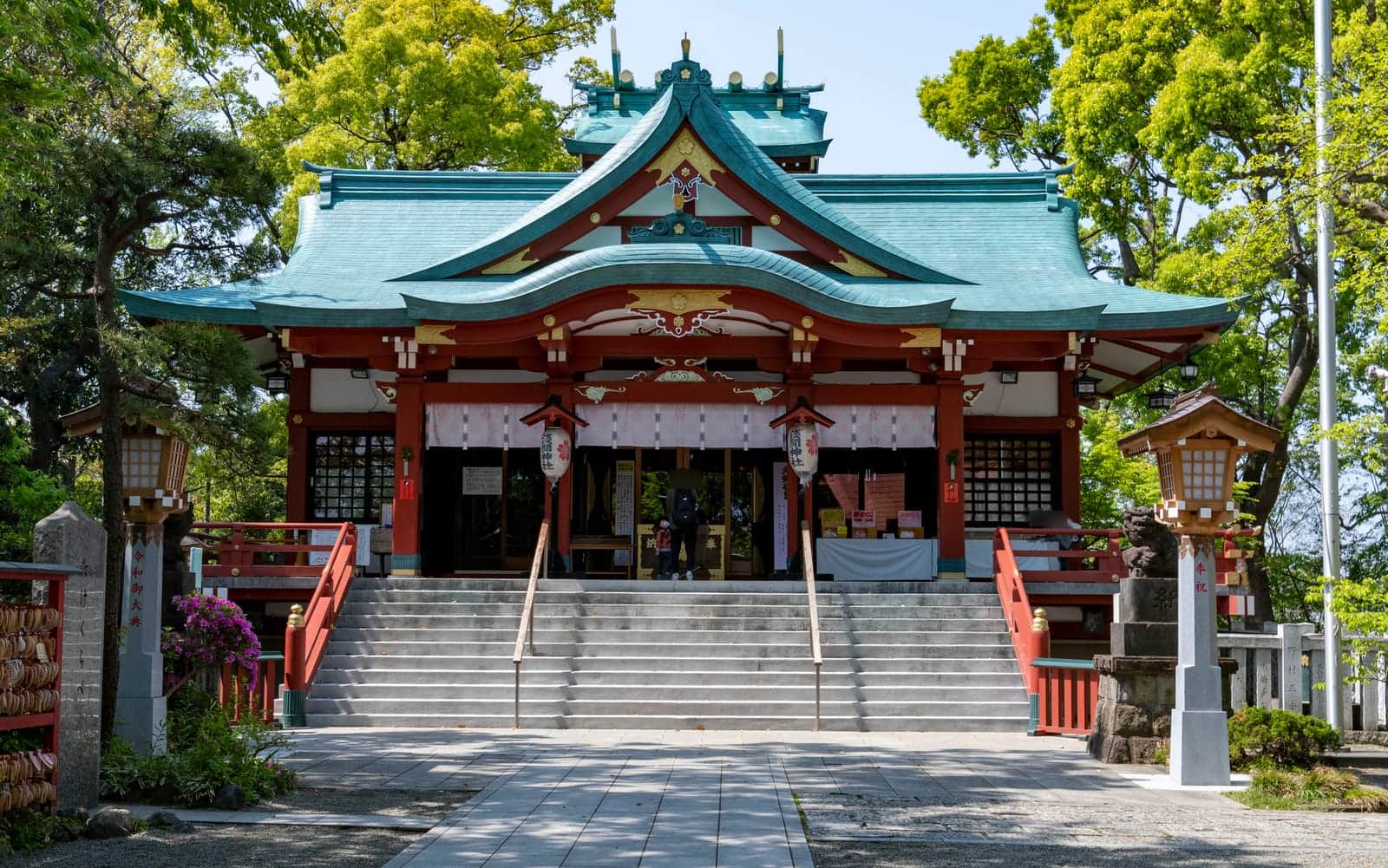


Not confirmed
More ways to continue from this place.
2 recent posts
Share how your visit was to help other travelers.
Sedrick McCaskill checked in
Todoroki Fudoson
Setagaya, Tokyo
 ZBPro member
Zoë BolandPro shared a goshuin
Within 300 m Within 600 m
Timetable data: Public Transportation Open Data Center
Renting needs the operator's app and a Japanese phone number. docomo day passes are sold at convenience stores. Data sources