Mie Prefecture, known in Japanese as 三重県, is located in the Kansai region of central Japan along the Pacific coast. It is home to Ise Jingu, one of Japan’s most important Shinto shrines, as well as the scenic Ise-Shima coast and the historic town of Matsusaka.
Head temple of the Takada branch of Jōdo Shinshū in Isshinden, Tsu. Founded in the 1470s as Muryōjuin, it became the head temple in the 16th century. Its Mieidō and Nyoraidō halls are National Treasures.
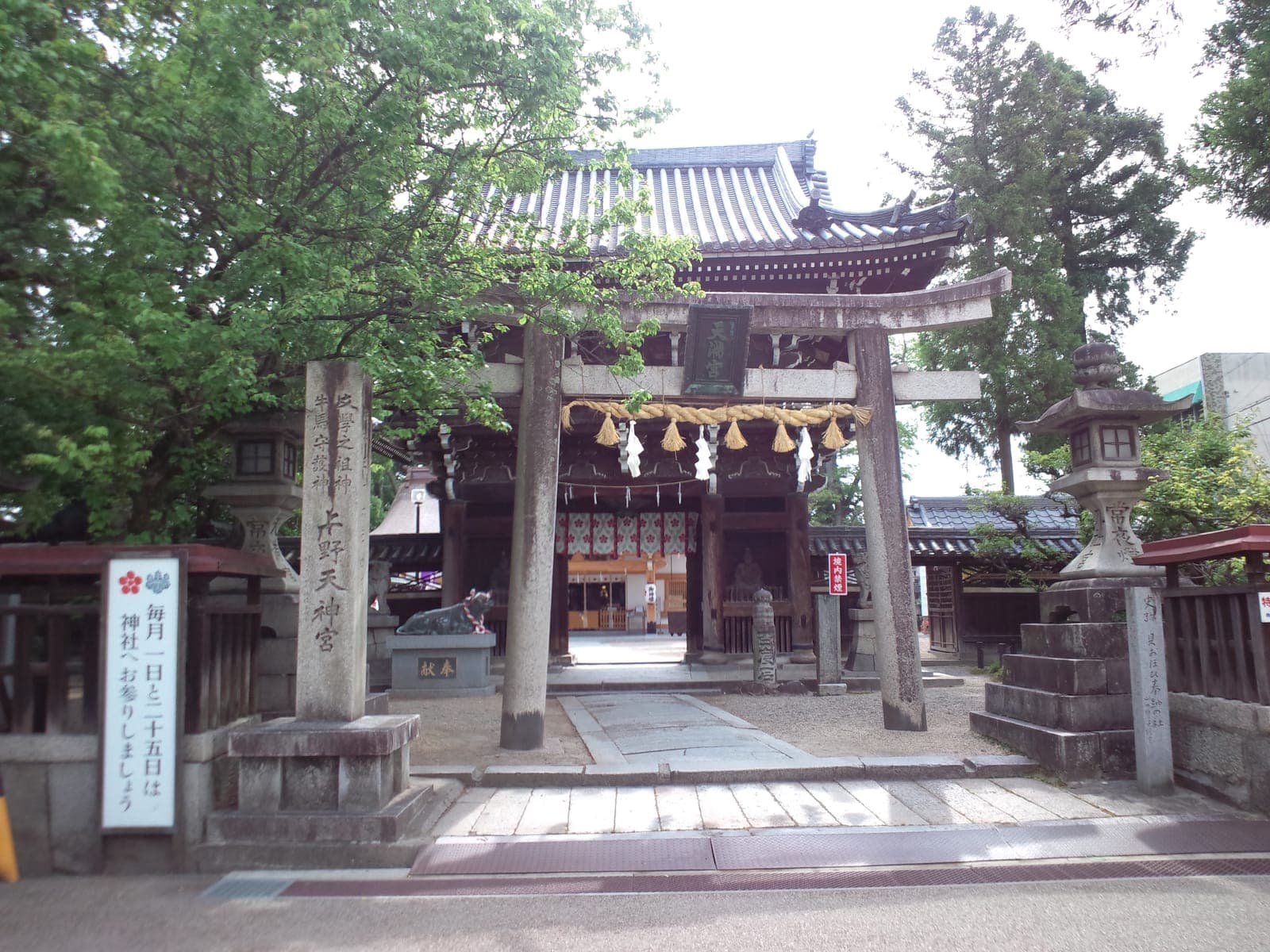
Sugawara Jinja, known as Ueno Tenjingū, enshrines Sugawara no Michizane and served as the guardian shrine of old Ueno town under the Tōdō lords. Matsuo Bashō dedicated his first haiku collection here, and its autumn Ueno Tenjin Matsuri is UNESCO intangible...
Why you should go
The shrine office is open 8:30 to 17:00 and prayer requests are taken 9:00 to 16:00; it is a five-minute walk from Uenoshi Station on the Iga Railway.
Visit in late October for the Ueno Tenjin Matsuri, when the oni procession and danjiri floats parade through the castle town.
Hatsuumadera, formally Renkoin, is a Shingon temple of the Omuro school in Tsu, known locally as the Hatsuumasan. Tradition says Prince Shotoku carved its Bato Kannon in 614 when he fell ill in an unlucky year. It was the prayer temple of the Todo lords,...
Why you should go
The temple is a few minutes' walk from Tsu Station. The Hatsuuma festival on the first horse day of March is the busiest day of the year.
Address: 3-210 Sakaemachi, Tsu, Mie 514-0004, Japan
Mieken Gokoku is a Shinto shrine in Tsu, Mie, dedicated to the spirits of more than 60,300 war dead from Mie Prefecture. It is near Tsu Station and serves as a local place for memorial rites, New Year visits, and family prayers.
Why you should go
Visit on a weekday morning rather than weekends to avoid overlapping family ceremonies like Shichi-Go-San (children's rite of passage) celebrations, which happen regularly throughout the year and can fill the grounds with groups.
The shrine is only a 5-minute walk from the west exit of Kintetsu and JR Tsu Station, so you can easily access it without a car, though parking is available if you need it.
If you're visiting during New Year's season or for Shichi-Go-San, arrive early in the day since these are peak times when families come for blessings and the shrine can get crowded with worshippers seeking omikuji fortune papers.
Shitennoji in Tsu is a Soto Zen temple said to have been founded by Prince Shotoku at Empress Suiko's wish. Rebuilt by the castle lord Oda Nobukane, it holds the grave of Dota Gozen, mother of Oda Nobunaga, and Important Cultural Property portraits of Todo...
Why you should go
Look for the gate and bell tower, the only buildings to survive the 1945 raid; Tsu Station is about a ten-minute walk.
Address: 1-892 Sakaemachi, Tsu, Mie 514-0004, Japan
Kozan Jinja stands in the grounds of Tsu Castle and enshrines Todo Takatora, the castle's builder and first lord of the Tsu domain; the name comes from his posthumous title Kozan. Founded in 1876 and moved to the castle in 1903, it burned in the 1945 air...
Why you should go
The shrine is in the castle park next to Tsu city hall; Tsu-Shimmachi on the Kintetsu line is about an eight-minute walk.
Address: 27-16 Marunouchi, Tsu, Mie 514-0033, Japan
Suwa Shrine in Yokkaichi, Mie Prefecture, is a Shinto shrine dedicated to SuwanoKami. It hosts the annual Yokkaichi Festival each October, featuring a famous Ōnyūdō festival float designated as a Tangible Folk Cultural Property of Mie Prefecture.
Why you should go
Visit on a weekday morning rather than weekends or October festival dates if you want to avoid crowds and have space to move through the shrine complex at your own pace.
Plan your visit for October 7-9 if you want to experience the Yokkaichi Festival, where the shrine's famous Ōnyūdō festival float (a designated Tangible Folk Cultural Property) is paraded through the streets.
Look for the distinctive komainu (guardian lion-dogs) scattered throughout the shrine grounds, particularly the 'money-doubling lion' and the 'Stop Lions,' which locals believe have special properties.
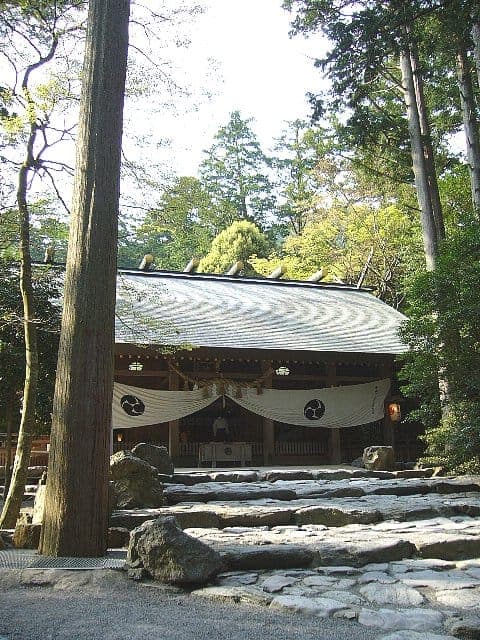
Tsubaki Okami Yashiro is a historic Shinto shrine in Suzuka, Mie, known as Tsubaki Grand Shrine. It is linked to Sarutahiko Ōkami, dates to legend in 3 BCE, and sits at 1871 Yamamotochō with a serene mountain setting and long pilgrimage traditions.
Why you should go
Plan your visit for October 11 if you want to experience the shrine's main annual festival, or visit on weekdays to enjoy the cedar-lined grounds and sacred waterfall with fewer visitors around.
The shrine is 45 minutes by bus from Kasado Station on the JR Central Kansai Main Line, so plan your transportation accordingly and allow extra travel time if you're coming from Nagoya or other major cities in the region.
If you practice aikido or martial arts, inquire about the shrine's martial arts hall and archery range (kyūdō) during your visit, as these facilities are available for practitioners but not always prominently advertised to casual visitors.