125 Shrines of Ise
Other Structure
At a Glance
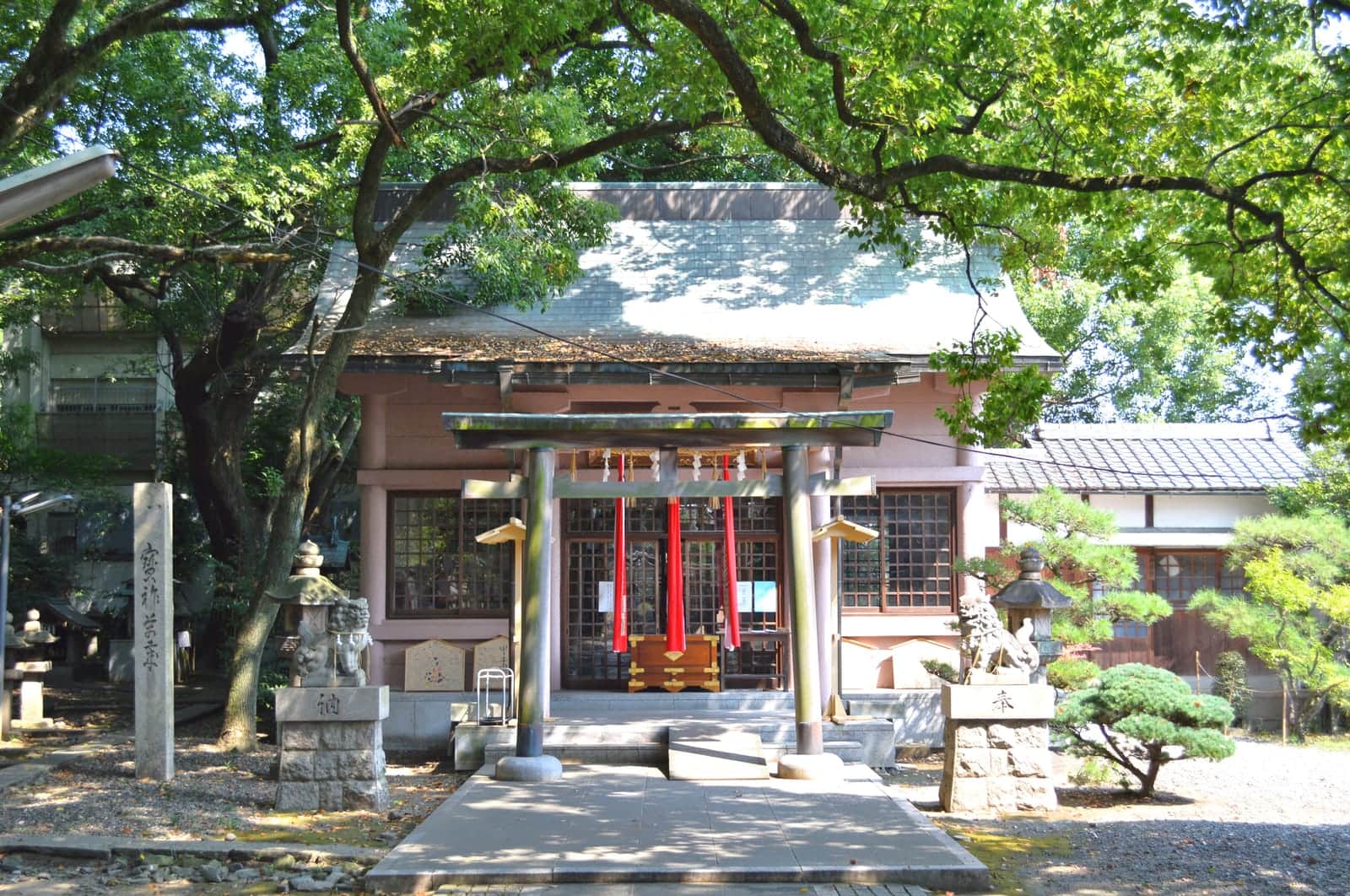
Futami Okitama Jinja is a Shinto shrine in Ise, Mie, set directly on the coast near Futamiura.
During the Edo period, one in ten Japanese people made the pilgrimage to Ise. In 1829, an astounding 1.18 million pilgrims visited in just three days during the grand festival.
This shrine offers 2 different goshuin designs
Regular
Regular
Facilities
The divine spirits venerated at this sacred place
3 structures on the grounds
Seasonal celebrations and special occasions
Not confirmed
Ise, Mie Prefecture
More ways to continue from this place.
Within 300 m Within 600 m
Renting needs the operator's app and a Japanese phone number. docomo day passes are sold at convenience stores. Data sources
What this place is believed to grant
0 recent posts
Share how your visit was to help other travelers.
No public community posts yet.