Admission
Not confirmed
At a Glance
Sōji-ji was one of two head temples overseeing 16,000 Sōtō Zen temples across Japan until a devastating 1898 fire forced its main functions to relocate from Noto Peninsula to Yokohama.
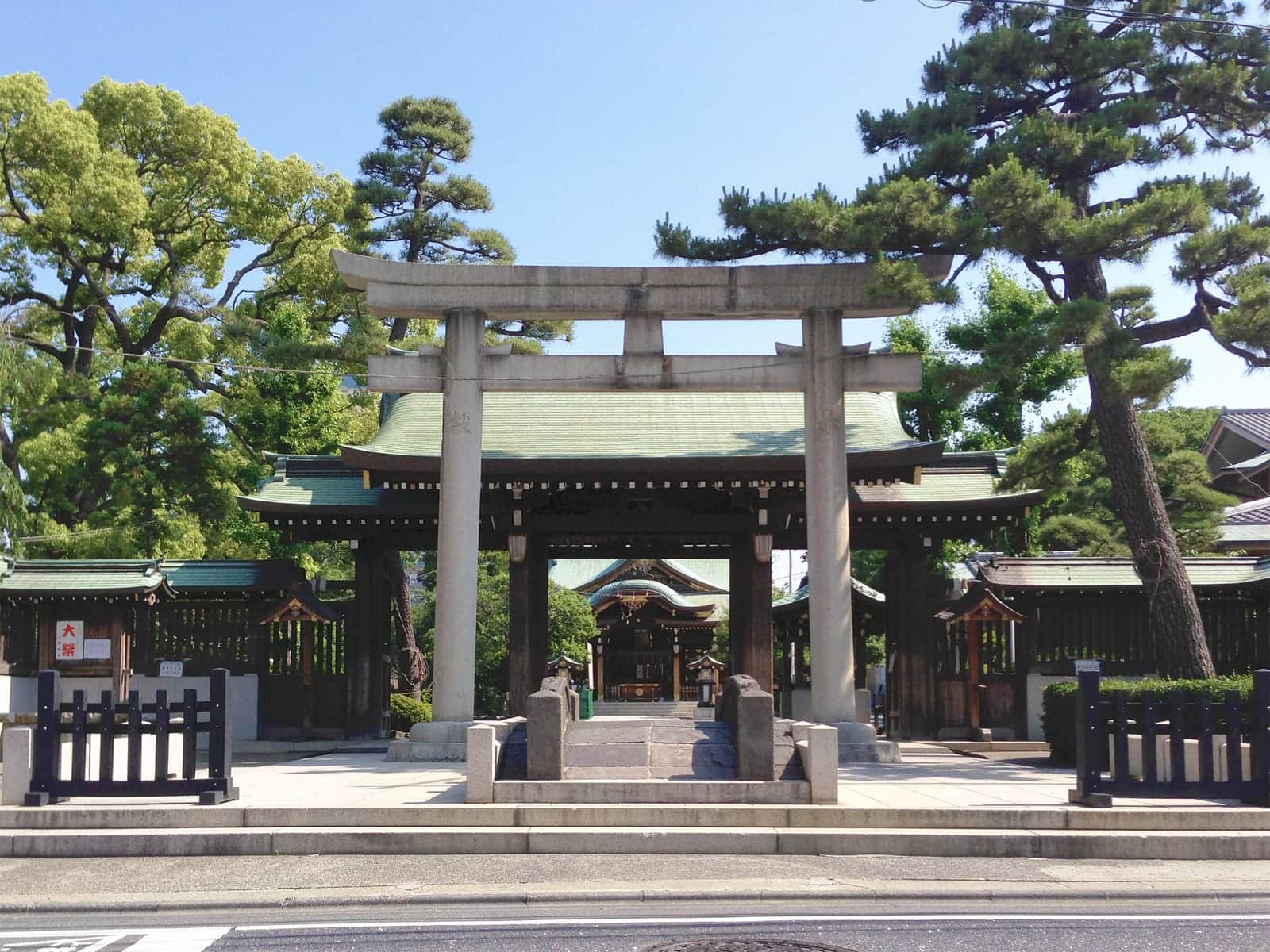
The temple's impressive Sanmon Gate stands 17 meters high and was rebuilt in 1932, serving as the grand entrance after visitors cross the historic Hakuji Bridge.
Same as opening hours
This temple offers goshuin, but we don't have photos yet. Be the first to share yours!
Not confirmed
Facilities
Plan this as an active place of worship, not just a sightseeing stop; behave quietly and respectfully on the grounds.
The temple is open daily from 8:00 to 17:00 with an admission fee of 500 yen, and a typical visit takes 30-45 minutes to walk the circular route through the main buildings surrounding the inner courtyard.
The temple is easily accessible by bus from Wajima (35 minutes, 760 yen) or Anamizu (35 minutes, 690 yen), with buses stopping at Monzen Sojiji-mae, which is a short walk from the temple entrance.
Sōji-ji is one of the two head temples of the Sōtō Zen sect and maintains an active monastic community, so be mindful of monks in training and maintain a quiet, respectful demeanor throughout your visit, especially near the meditation hall (Sodo).
After entering through the impressive 17-meter-high Sanmon Gate built in 1932, take time to visit the Kyozo sutra repository near the entrance and cross the Hakuji Bridge, as these are important historical structures that survived or were rebuilt after the devastating 1898 fire.
While Sōji-ji's main functions as head temple were transferred to Yokohama after the 1898 fire, this original Noto Peninsula location retains significant historical importance and features both surviving original buildings and carefully rebuilt structures that maintain the temple's 700-year legacy.
The divine spirits venerated at this sacred place
Tsurumi, Kanagawa Prefecture
0 recent posts
Share how your visit was to help other travelers.
No public community posts yet.
More ways to continue from this place.
Within 300 m Within 600 m
Timetable data: Public Transportation Open Data Center

セブンイレブン 横浜鶴見大学前店 (鶴見駅近辺)
HELLO CYCLING
【TR012】鶴見ミナールビル
docomo bike share
鶴見ミナールビル
HELLO CYCLING
Renting needs the operator's app and a Japanese phone number. docomo day passes are sold at convenience stores. Data sources
What this place is believed to grant