
Arrive early on weekdays, ideally right at opening, to experience the temple grounds before the afternoon tea ceremony crowds arrive.
At a Glance
Jotoku-ji was founded in 1603 by Tokugawa Ieyasu, the same year he became shogun. That makes this Kyoto temple part of the opening chapter of the Tokugawa era.
Inside the temple grounds, a tea ceremony is held in a 17th-century setting. The experience is built around ichigo ichie, the idea that this exact gathering will never happen again.
This temple offers 1 different goshuin designs
Same as opening hours
Regular
¥500
Arrive early on weekdays, ideally right at opening, to experience the temple grounds before the afternoon tea ceremony crowds arrive.
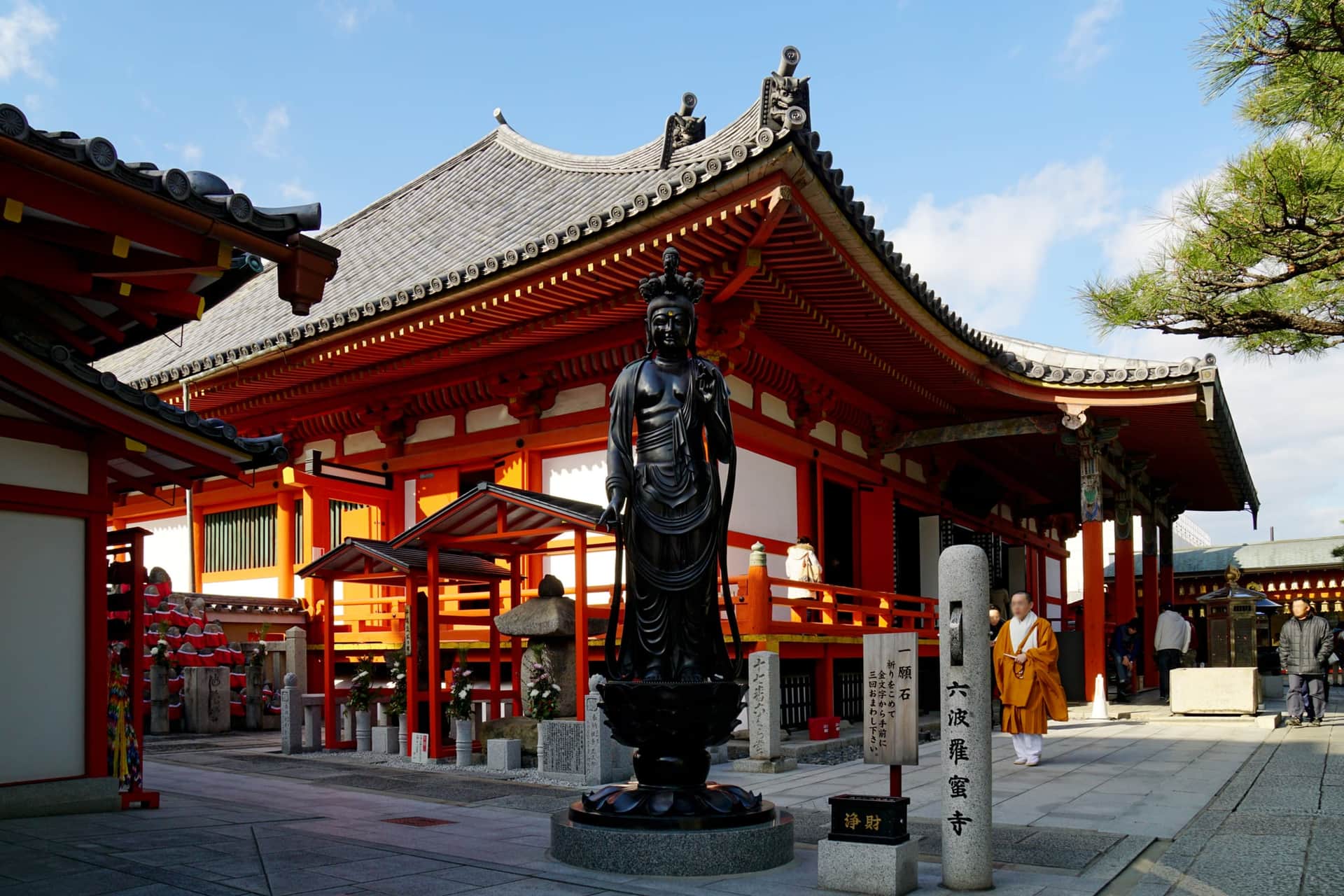
The Jizo statue against a backdrop of maple leaves in autumn offers a striking contrast. For interior shots, the alcove housing the statue benefits from soft morning light streaming through the shoji screens.
When participating in the tea ceremony, remove your socks if requested and handle the tea bowl with both hands as a sign of respect. Silence mobile phones completely during the ritual.
The temple grounds include a small, quiet sub-temple area that many visitors overlook; it is ideal for a moment of stillness away from the main hall's activity.
Check the schedule for the tea ceremony in advance, as sessions are limited and often book up. The temple is a short walk from Keihan Shichijo Station, but the approach involves stone steps, so wear sturdy footwear.
If you are coming for the tea ceremony at Ju-An, book a time slot and arrive a little early. The experience is run in a small group inside the temple grounds, so being on time helps you settle in before the host starts the explanation and purification steps.
If you are interested in the temple itself, ask about the Shitsugi Jizo and the Jodo Sect history while you are there. The temple is linked to Tokugawa Ieyasu and is known for this statue, so a short question to staff or your guide can add context that many visitors miss.
Look for the red benches near the entrance of the Grand Tearoom if you are joining a tea experience. That is the meeting point mentioned by the organizers, and it is easier than wandering around the grounds trying to find the right door.
Plan for a quiet, shoes-off visit once you enter the tearoom area. The ceremony includes a purification ritual and a seated matcha demonstration, so wear socks you are comfortable showing and avoid anything that makes it hard to sit still for about an hour.
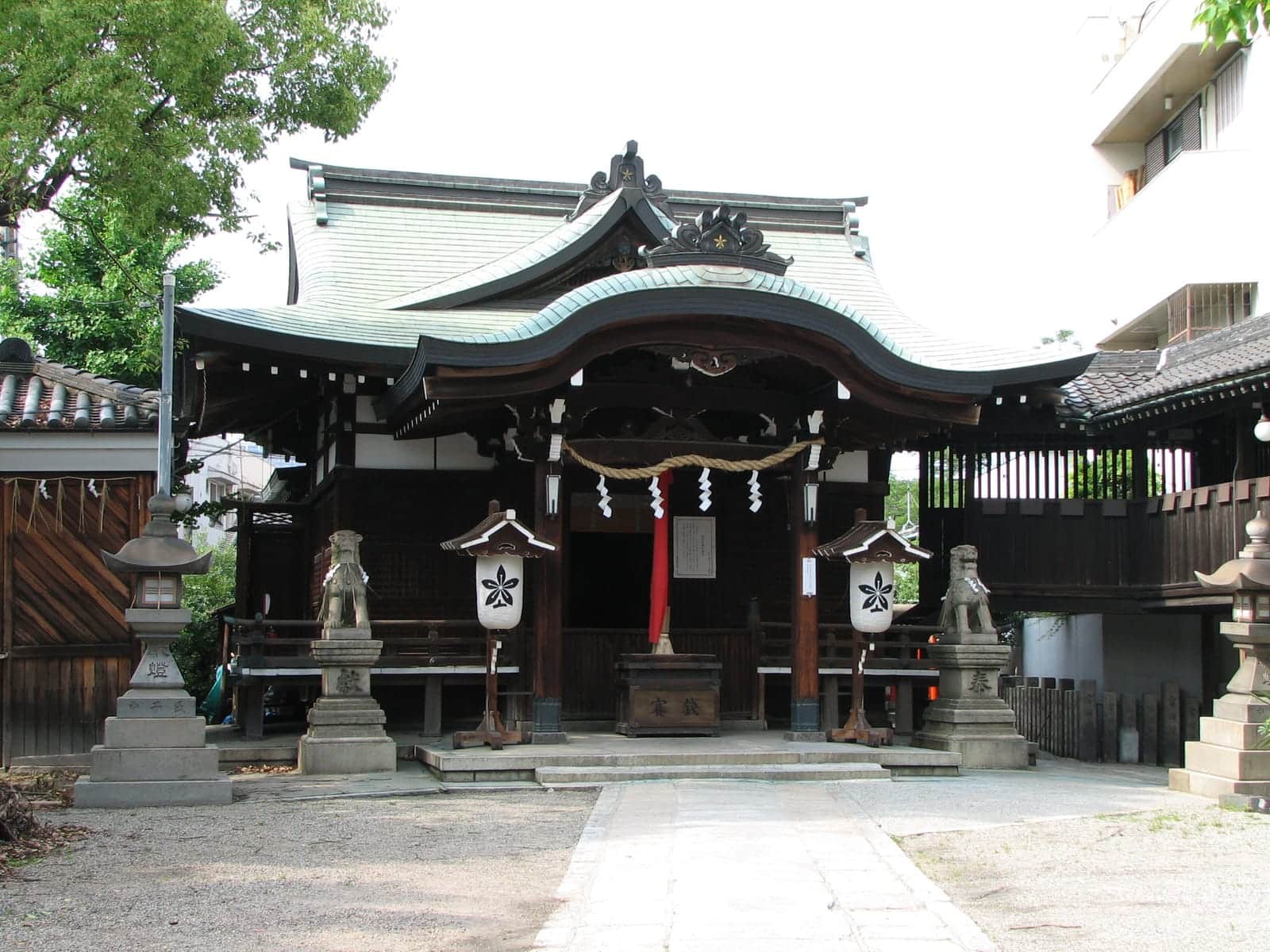
Give yourself a few extra minutes to walk the temple grounds before or after the ceremony. Visitors describe Jotoku-ji as a peaceful place with wooden halls, stone lanterns, and a small garden, so a slow circuit makes the visit feel less rushed than treating it like a quick appointment.

More ways to continue from this place.
Not confirmed
Shimogyo, Kyoto Prefecture
Within 300 m Within 600 m
Timetable data: Public Transportation Open Data Center

KT027-京都銀行 河原町支店
docomo bike share
KT435-ホステル京都キズナ
docomo bike share
KT389-GrandE’terna京都
docomo bike share
Renting needs the operator's app and a Japanese phone number. docomo day passes are sold at convenience stores. Data sources
2 recent posts
5.0
1 review
If you are coming for the tea ceremony, book ahead and arrive a little early, ideally right at opening on a weekday. The temple is a short walk from Keihan Shichijo Station, but the approach has stone steps, so wear sturdy shoes. For the tea experience, look for the red benches near the Grand Tearoom entrance, then expect a small-group session and about an hour inside.
Once inside the tearoom area, you may be asked to remove your shoes and socks, so wear something comfortable. Keep your phone fully off, and handle the tea bowl with both hands. The host will usually begin with an explanation and purification steps, so being on time helps.
Set aside extra time to walk the grounds.
 SUPro member
Steffi UlrichPro shared a goshuin
