Temple
Motoyama-ji
Mitoyo•4.3km(54 min walk)
At a Glance
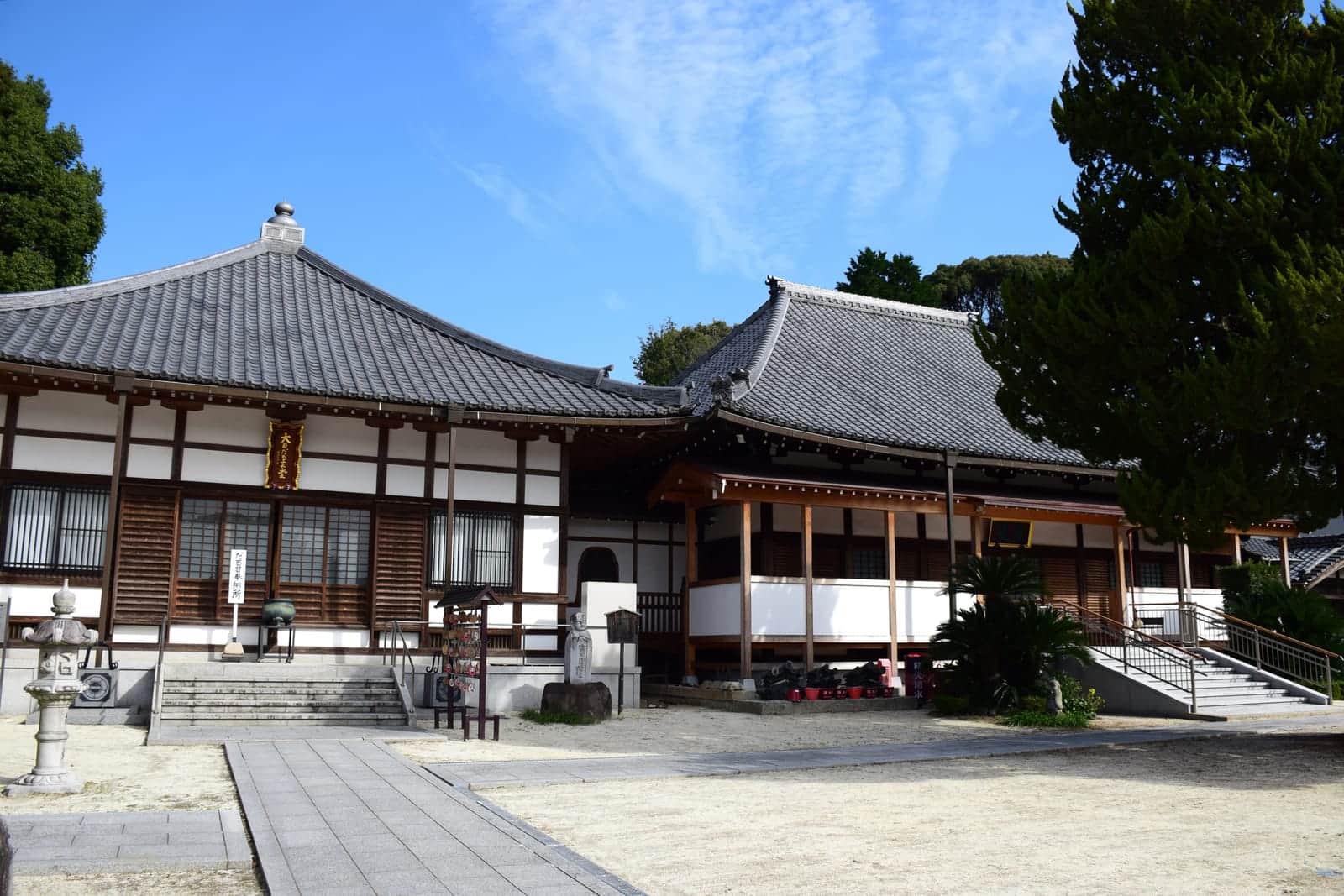
The temple's main hall, rebuilt in 2002, breaks tradition with a striking modern concrete design that stands out dramatically among the historic wooden structures of the 88-temple pilgrimage route.
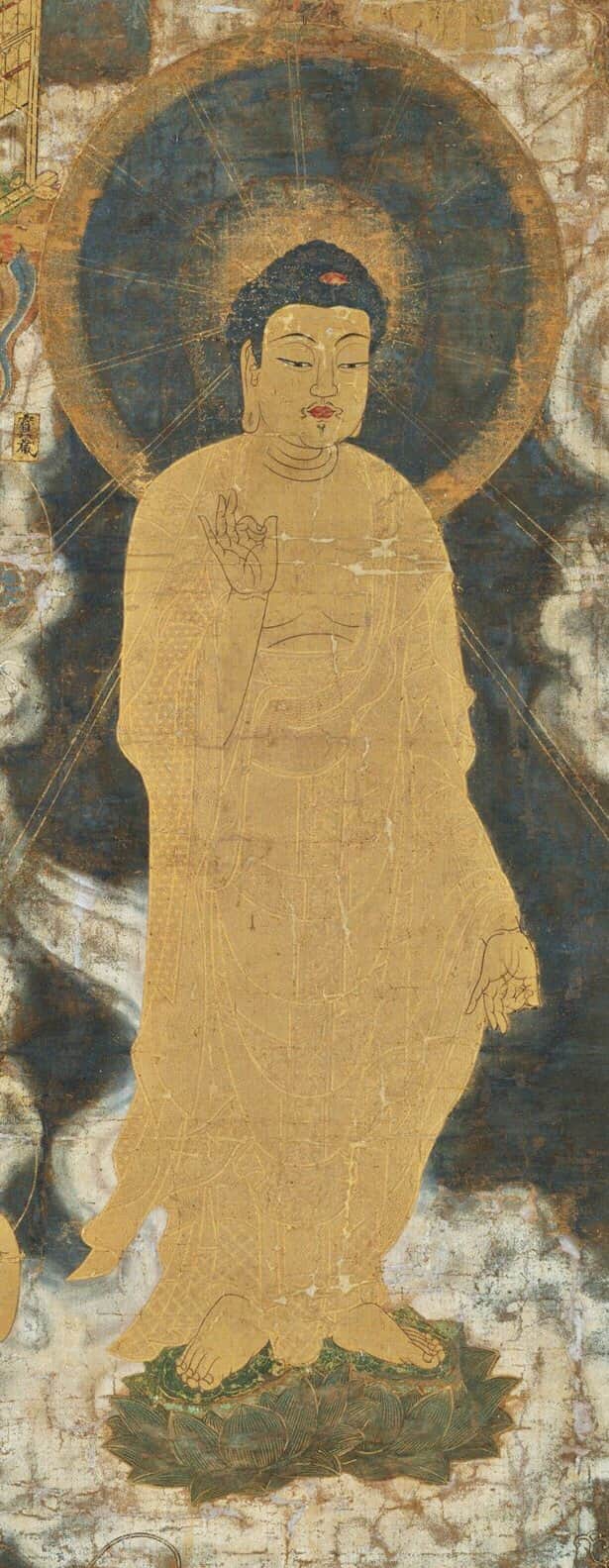
Kobo Daishi carved the temple's principal Amida Buddha statue in 807 and originally enshrined it in the Shinto shrine above. It wasn't moved to its current Buddhist temple home until over 1,000 years later.
Same as opening hours
This temple offers goshuin, but we don't have photos yet. Be the first to share yours!
Facilities
Shopping
The divine spirits venerated at this sacred place
Not confirmed
Kanonji, Kagawa Prefecture
What this place is believed to grant
0 recent posts
Share how your visit was to help other travelers.
No public community posts yet.
More ways to continue from this place.
Within 300 m Within 600 m