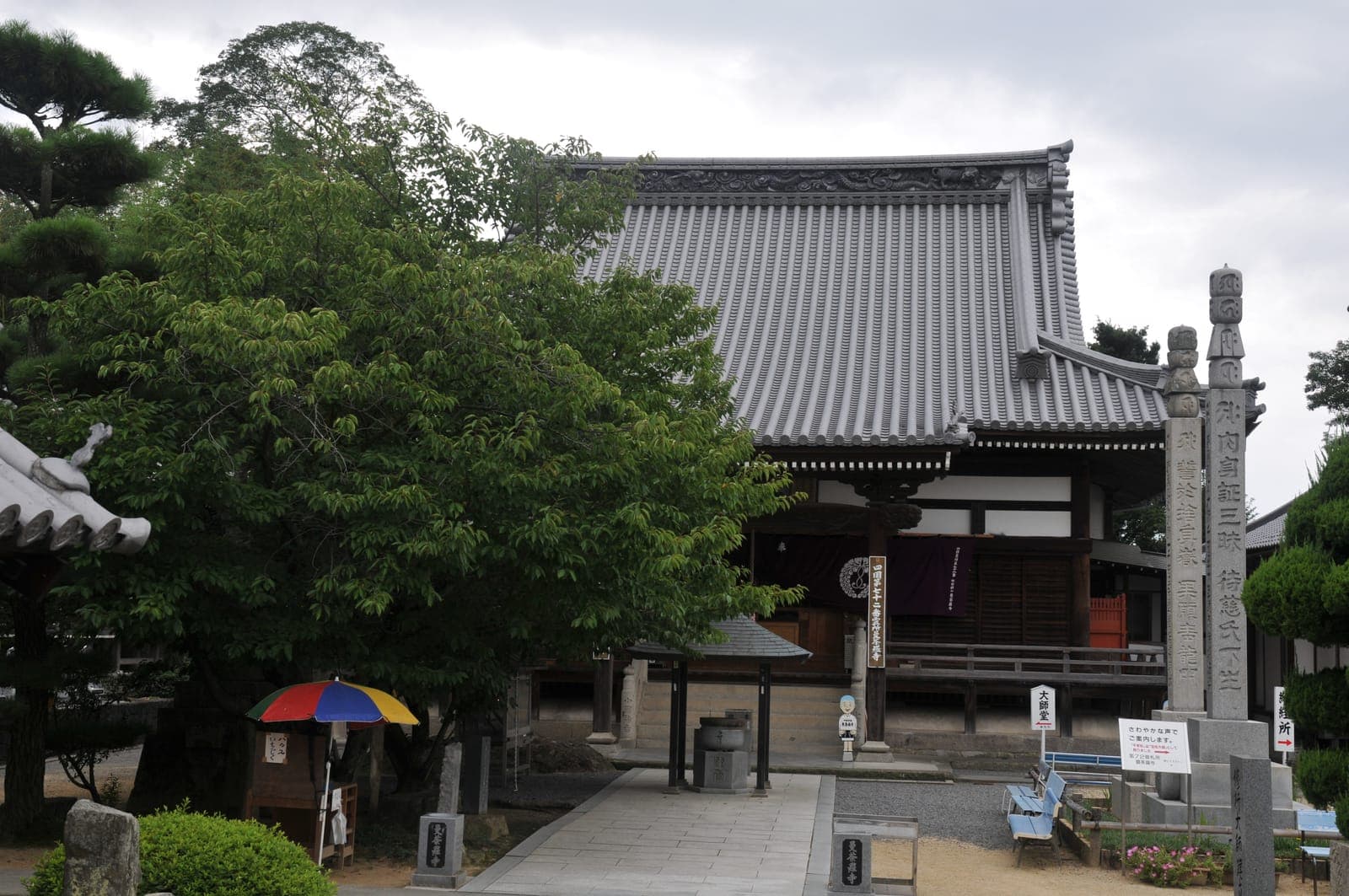
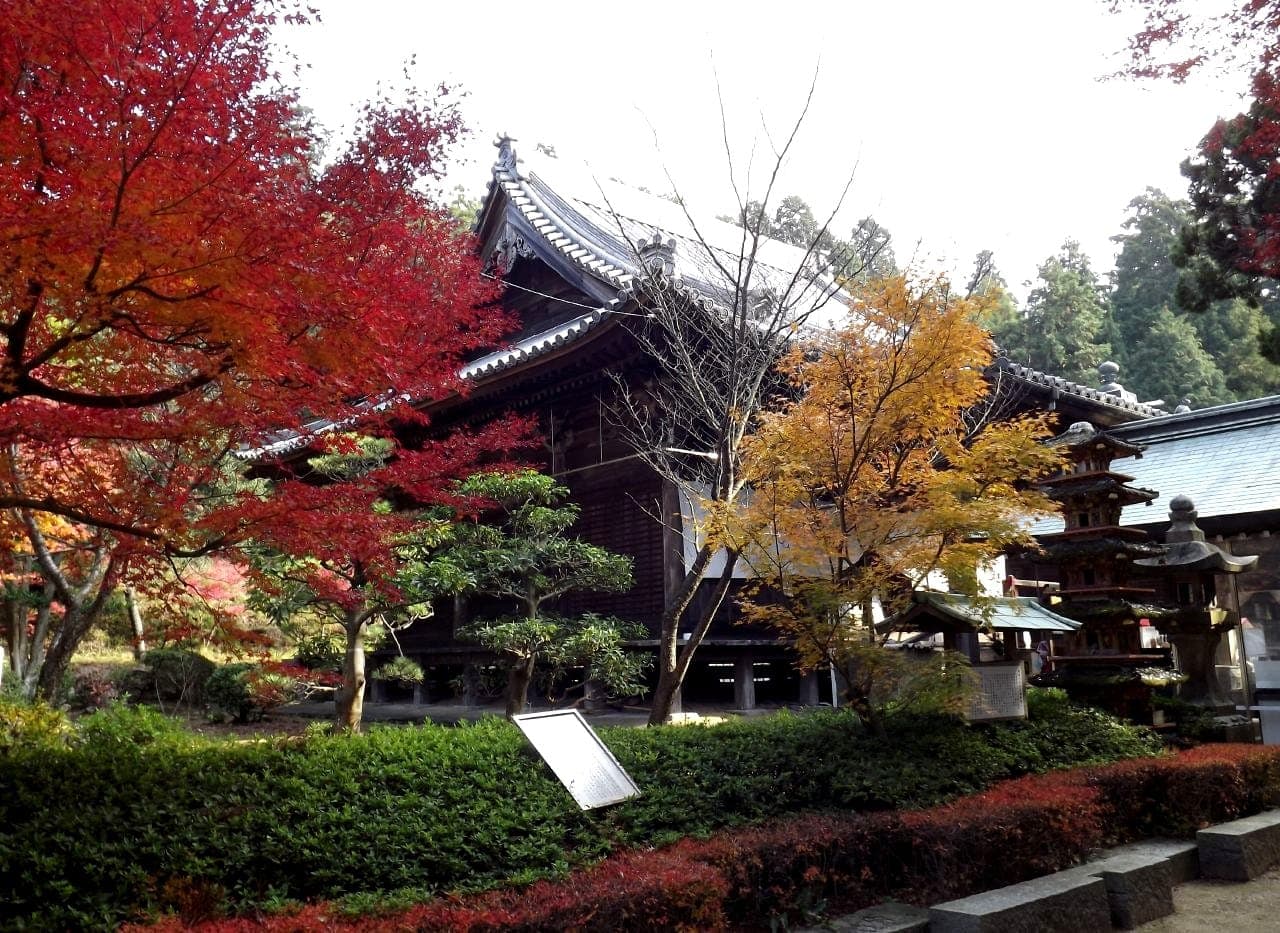
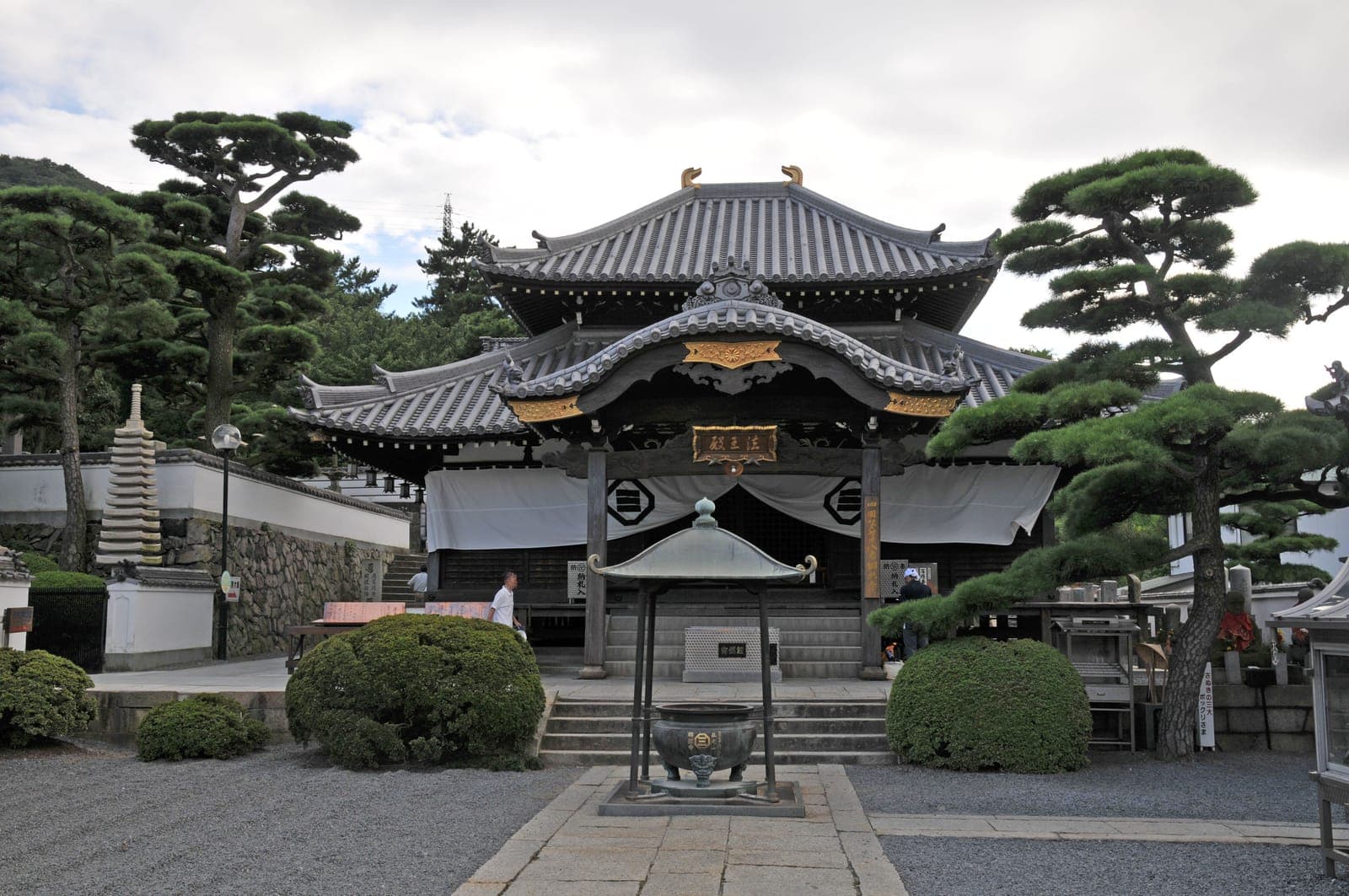
Daikoji is Temple No. 67 on the Shikoku 88 Temple Pilgrimage, located in Mitoyo, Kagawa Prefecture. Nestled in the former Yamamoto area, this Buddhist temple draws pilgrims and visitors seeking spiritual reflection amid the scenic western Kagawa countryside.
Daikoji is Temple No. 67 on the Shikoku 88 Temple Pilgrimage, marking a spiritual milestone for pilgrims as they journey through western Kagawa's countryside.
Daiko-ji is Temple No. 67 on the 88-temple Shikoku Pilgrimage.
The temple sits in what was once Yamamoto Town, which ceased to exist in 2006 when it merged with six other towns to form the new city of Mitoyo.
A Shinto shrine on Mt. Tengu in Otaru, Hokkaido, near the ropeway summit. It is a small mountaintop shrine linked to Sarutahiko worship and a scenic stop for visitors enjoying panoramic views over Otaru Port and Ishikari Bay.
Why you should go
Locate and rub the nose of the Tengu statue (called 'Hanade Tengu-san') near the shrine, as this is a popular wish-granting ritual specific to this location.
Arrive at the shrine via the ropeway early in the morning or on weekdays to experience the mountaintop shrine in relative solitude, as most visitors come for the daytime views and night scenery rather than the spiritual site itself.
Take photos of the illuminated torii gates and shrine approach at night, as the lighting creates a notably different and more atmospheric scene than daytime visits.
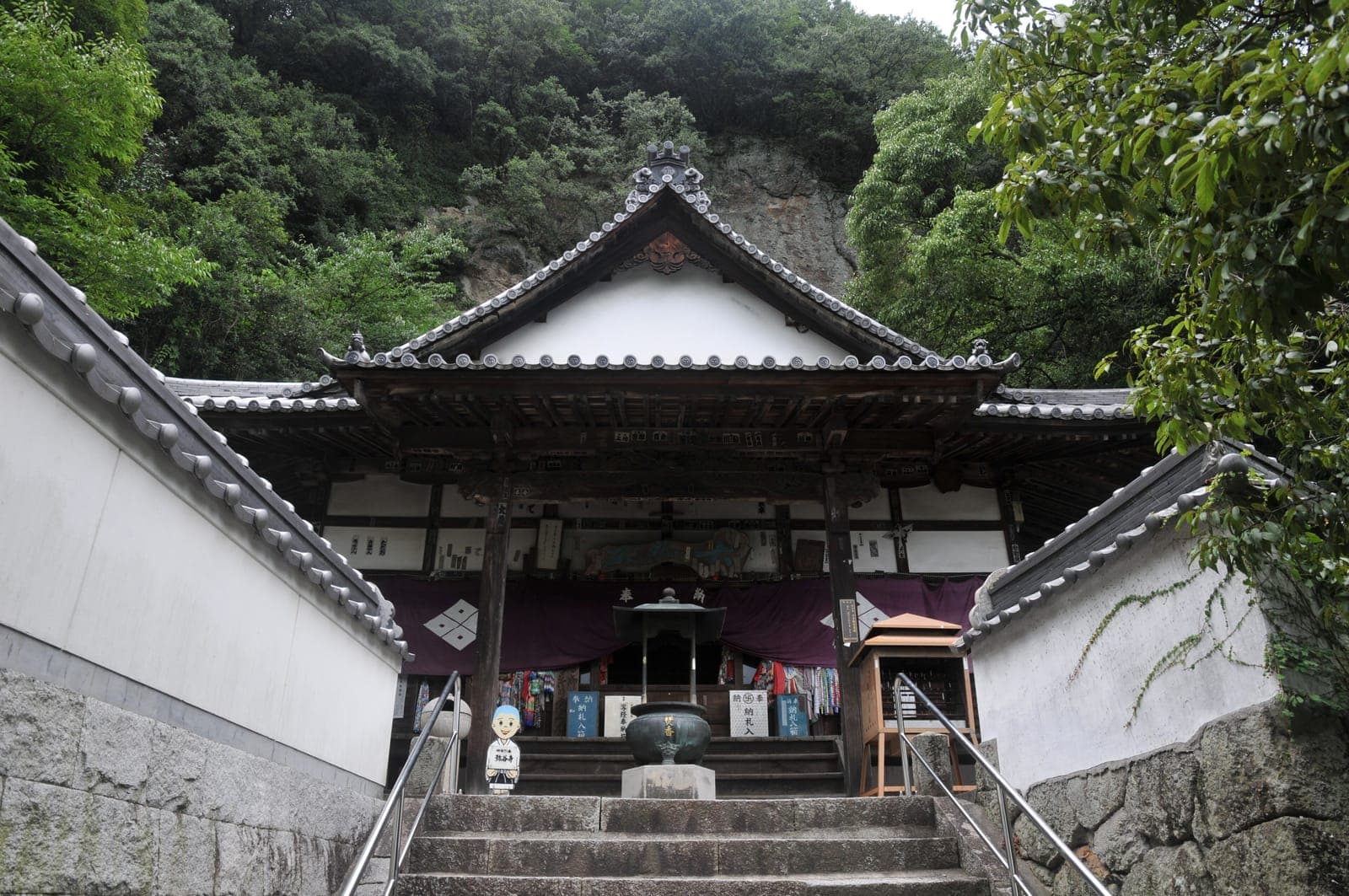
Temple 71 on the Shikoku Pilgrimage, Iyadani stands on a rocky mountain slope in Mitoyo, Kagawa. Known for steep stone steps, cave halls, and wide views over the Sanuki Plain, it is linked to Gyoki and early8thcentury origins.
Why you should go
Iyadani-ji is associated with Gyoki and traces its origins to the early 8th century.
You must climb 540 stone steps total to reach the main hall: 400 steps from the entrance gate, then another 140 steps through scattered rock-carved Buddha statues embedded into the mountainside.
Iyadani-ji is Temple No. 71 on the 88-site Shikoku Pilgrimage.
Kotohiragū (Konpirasan) is a Shinto shrine on Mt. Zōzu in Kotohira, Kagawa. Dedicated to Ōmononushi, guardian of sailors, it features 785 steps to the main shrine and 1,368 total to the inner shrine. Head of ~600 Kotohira shrines nationwide.
Jinnein is a Buddhist temple in Kanonji, Kagawa, known as Shikoku Pilgrimage Temple 68. It shares the Mt. Kotohiki precincts with Kannonji Temple and is closely tied to the former Kotohiki Hachimangu Shrine, reflecting a rare history of syncretic worship.
Why you should go
Jinnein and Kannonji are the only two temples among all 88 Shikoku pilgrimage sites that share the exact same grounds, a unique arrangement created after Meiji-era religious reforms forcibly separated them from a Shinto shrine.
Jinne-in is Temple No. 68 on the Shikoku 88-temple pilgrimage, making it a numbered stop for henro pilgrims.
Until 1868, pilgrims actually visited Kotohiki Hachimangu Shrine as the 68th sacred site, not Jinnein. The temple only became a pilgrimage stop after the government forced Buddhist and Shinto sites to separate.
Shidoji, the 86th site of the Shikoku Pilgrimage, is a Buddhist temple in Sanuki, Kagawa. Founded in 625, it enshrines the ElevenHeaded Kannon. Notable features include a Niomon Gate (1671), Important Cultural Properties, and a bright red 33meter pagoda...
Why you should go
The Niomon Gate dates to 1671 and is one of Shido-ji's notable historic structures.
The temple's guardian statues in the Niomon Gate were carved by Unkei, a master sculptor whose works include several National Treasures. His fierce deity figures have guarded the entrance since 1671.
The principal deity statue is revealed to the public only once a year on July 16. This Heian-period figure was carved from a single piece of hinoki cypress over 800 years ago.
Koyama Temple (Koyamaji) is a Buddhist temple in Zentsuji, Kagawa, known as Temple 74 of the Shikoku Pilgrimage. It stands at the foot of a mountain whose shape inspired its name, and is associated with Yakushi Nyorai.
Why you should go
The temple's name comes from the mountain's shape, which resembles the armor (甲) of Bishamonten. A statue of this warrior deity still sits in the cave where the temple originally began 1,200 years ago.
Koyama-ji is Temple No. 74 on the 88-temple Shikoku Pilgrimage, making it a fixed stop for henro pilgrims.
Kobo Daishi prayed at the Bishamonten cave for the safe completion of Manno-ike Reservoir renovations. The project finished in just three months, and this temple was built to commemorate that achievement.
Yashimaji is a Shingon Buddhist temple atop the Yashima plateau near Takamatsu, Kagawa. Temple No. 84 on the Shikoku 88 pilgrimage, it was founded by Ganjin in 754 and converted by Kōbō Daishi. Its Main Hall is an Important Cultural Property.
Why you should go
The temple's beloved tanuki statue, Minoyama Daimyojin, is said to have fought in both the Sino-Japanese War (1894-1895) and Russo-Japanese War (1904-1905) by shapeshifting into different forms.
After its founding, Yashima-ji was later converted by Kōbō Daishi, linking it directly to one of Shikoku pilgrimage's most important figures.
Founded by the Chinese monk Ganjin in 754, the temple still houses its original Kamakura-era Main Hall from the early 14th century, making it over 700 years old and an Important Cultural Property.