Admission
Not confirmed
At a Glance
Hidden Christians secretly worshipped here during Japan's 250-year ban on Christianity using a 'Maria Kannon' statue. A lantern placed on top formed a cross for forbidden prayer gatherings.
Enmyo-ji preserves the oldest copper name slip known on the Shikoku Pilgrimage.
Same as opening hours
This temple offers goshuin, but we don't have photos yet. Be the first to share yours!
Not confirmed
The divine spirits venerated at this sacred place
Seasonal celebrations and special occasions
Kirishitan Stone Lantern
A highlighted stone lantern associated with hidden Christian worship at the temple.
Dragon by Hidari Jingoro
A 5-meter-long dragon carving highlighted as a notable temple feature.
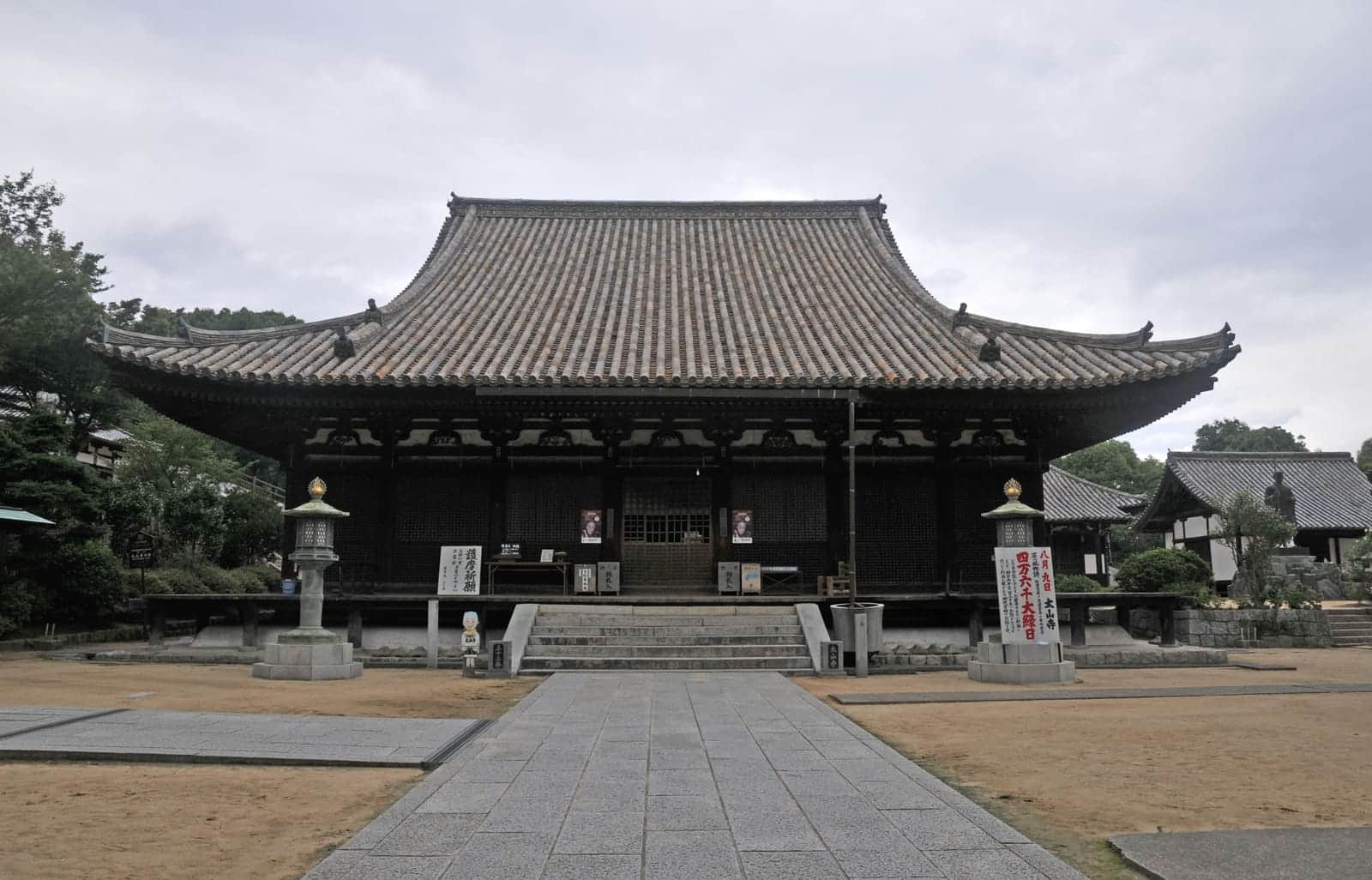
Kannondo
A hall housing a Juichimen Kannon statue and noted for a Keicho-era pedestal inscription.
Matsuyama, Ehime Prefecture
What this place is believed to grant
0 recent posts
Share how your visit was to help other travelers.
No public community posts yet.
More ways to continue from this place.
Within 300 m Within 600 m