
Admission
Not confirmed
At a Glance
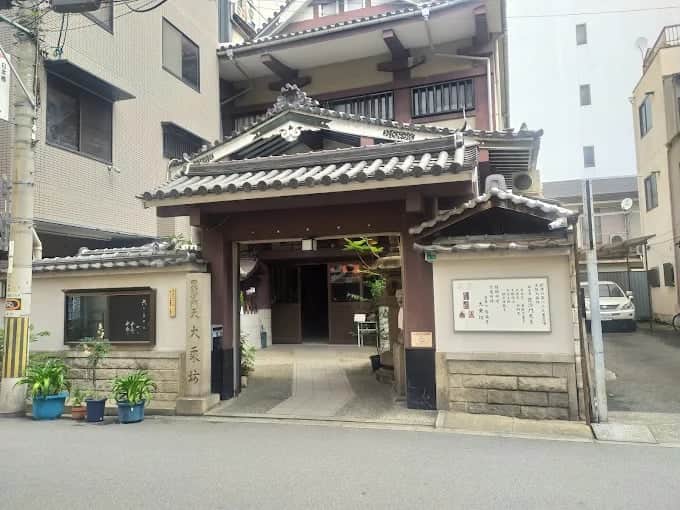
Buddhist temples named Chokyu-ji often maintain the practice of striking the temple bell 108 times on New Year's Eve, representing the 108 earthly desires in Buddhist teaching that practitioners seek to overcome on their path to enlightenment.
Like many temples named '長久' (chokyu), this temple was likely founded during the Kamakura or Muromachi period when Buddhist institutions aimed to become permanent in local communities, often supported by samurai families seeking spiritual merit.
This temple offers 1 different goshuin designs
Same as opening hours
Regular
Not confirmed
Experience
Visit during early morning hours between 8-9 AM when the temple grounds are quietest and you can experience the peaceful atmosphere during morning prayers or rituals. Weekday mornings offer the most serene experience compared to weekends.
Photography is allowed on temple grounds, but do not take photos inside the main hall or of Buddhist statues and altars without permission, as these are sacred. Flash photography is usually banned to protect artifacts and maintain a peaceful
The divine spirits venerated at this sacred place
1 structures on the grounds
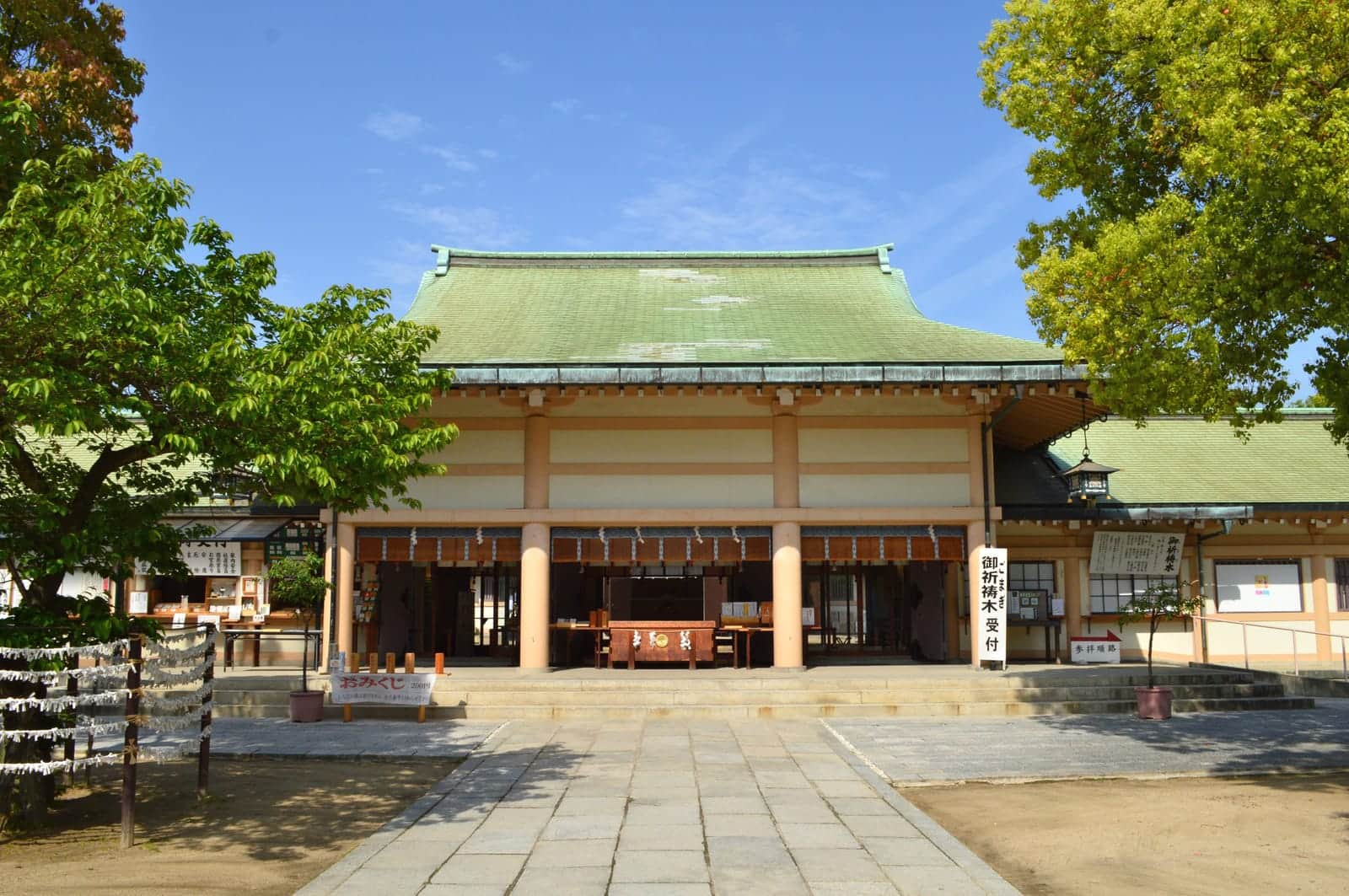
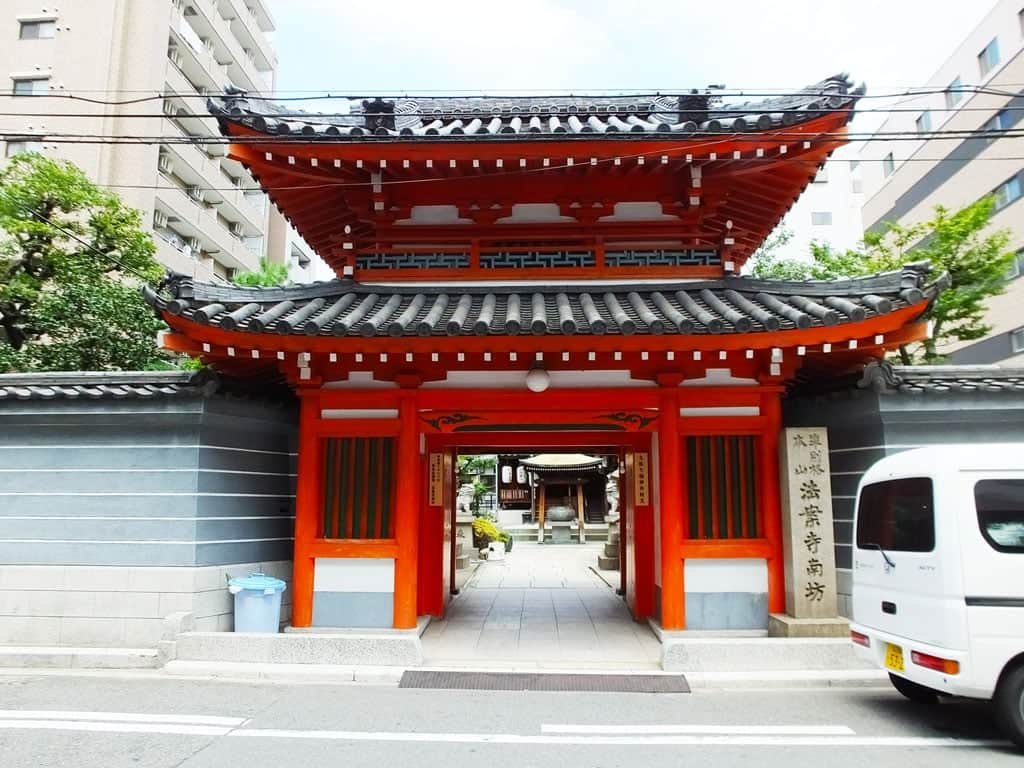
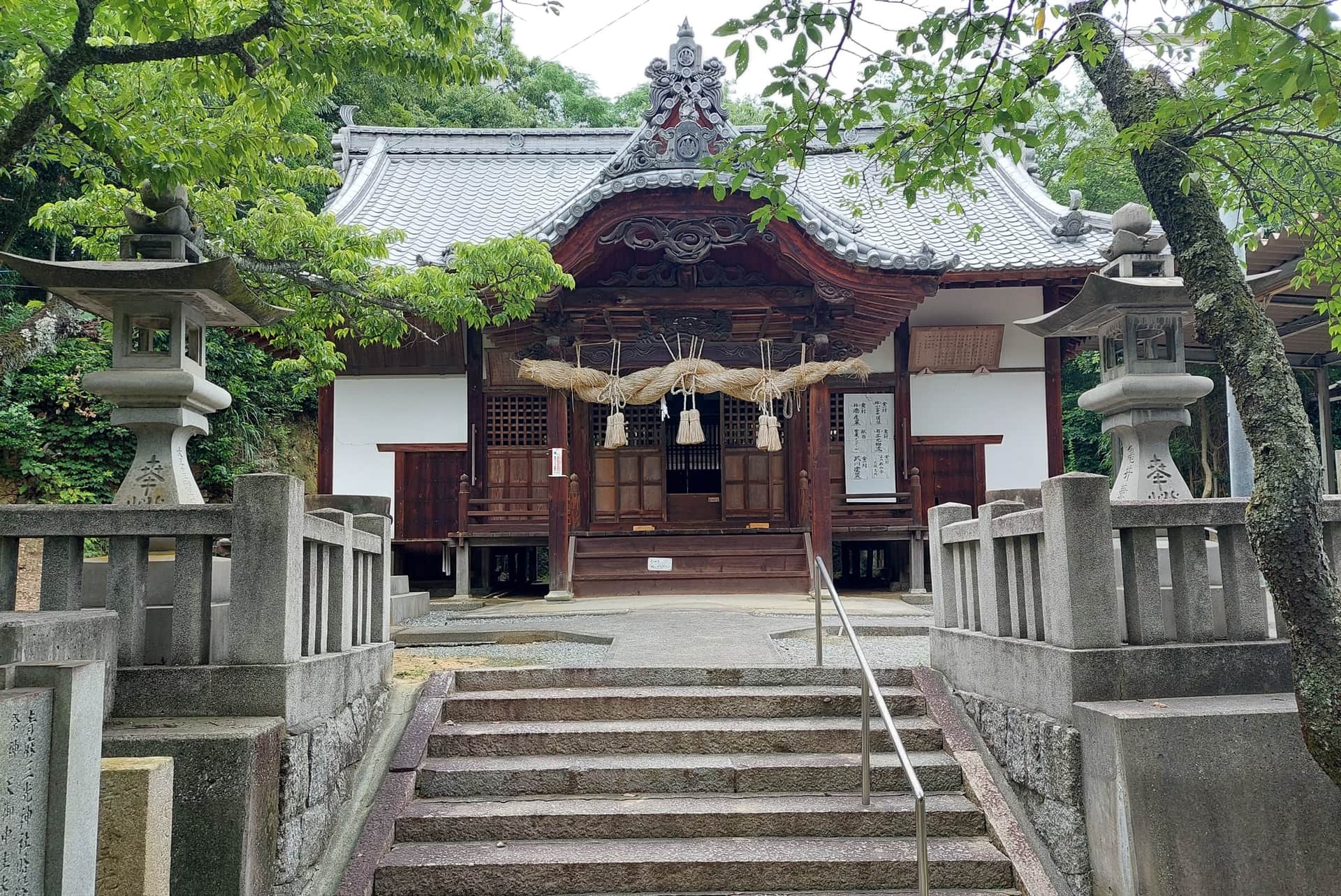
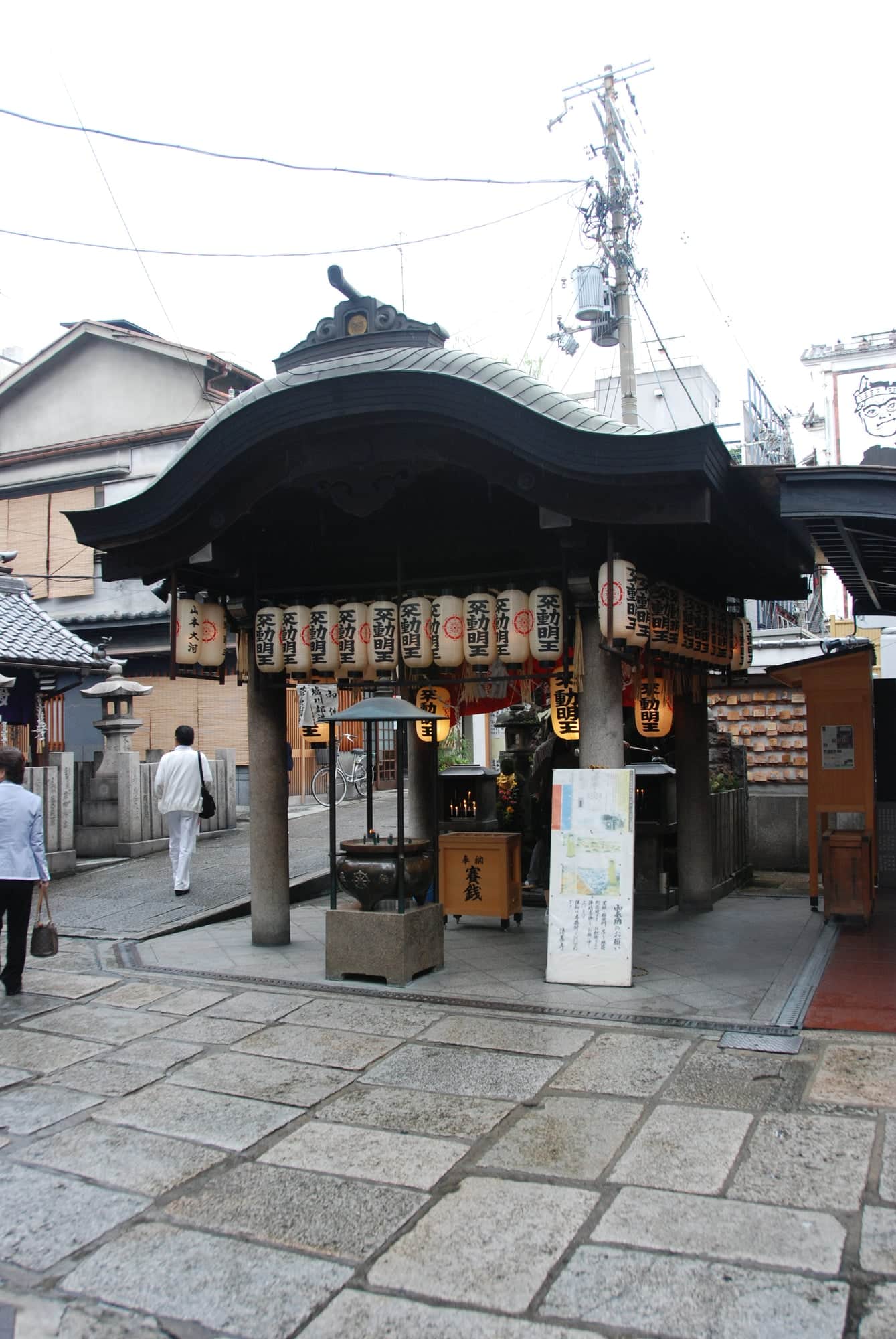
More ways to continue from this place.
Within 300 m Within 600 m
Renting needs the operator's app and a Japanese phone number. docomo day passes are sold at convenience stores. Data sources
What this place is believed to grant
Chuo, Osaka Prefecture
0 recent posts
Share how your visit was to help other travelers.
No public community posts yet.