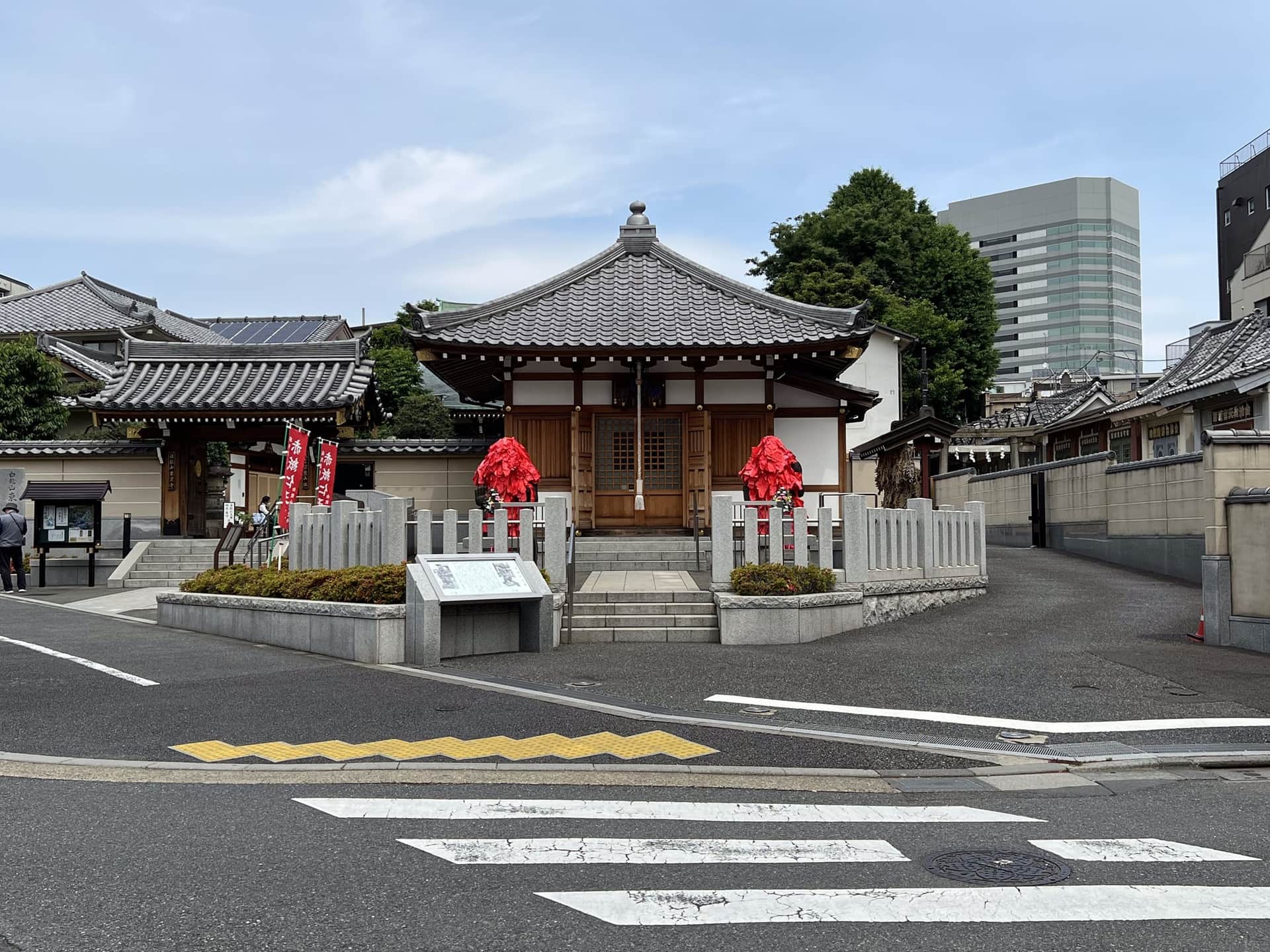
Deity of happiness, wealth, wisdom, and longevity
Fukurokuju is one of the Seven Lucky Gods of Japanese mythology, revered as a deity of wisdom and longevity who also embodies happiness and wealth. He is widely thought to represent a Japanese synthesis of the Chinese Three Star Gods — the personifications of fortune, prosperity, and long life — united into a single divine figure. His appearance bears the closest resemblance to Shou, the Chinese star god of longevity.
According to tradition, Fukurokuju began as a Chinese hermit of the Song dynasty, a sennin said to be capable of sustaining life without food. He is also regarded by some as a reincarnation of the Taoist deity Xuantian Shangdi, and his worship reflects a blending of Chinese Taoist and Japanese folk religious traditions.
Alongside the other members of the Seven Lucky Gods, Fukurokuju is a popular subject of New Year devotion in Japan, where the group is celebrated in processions and pilgrimages. He is typically depicted as an elderly man with an exceptionally elongated head, a long white beard, and a staff, embodying the blessings of a long and prosperous life.
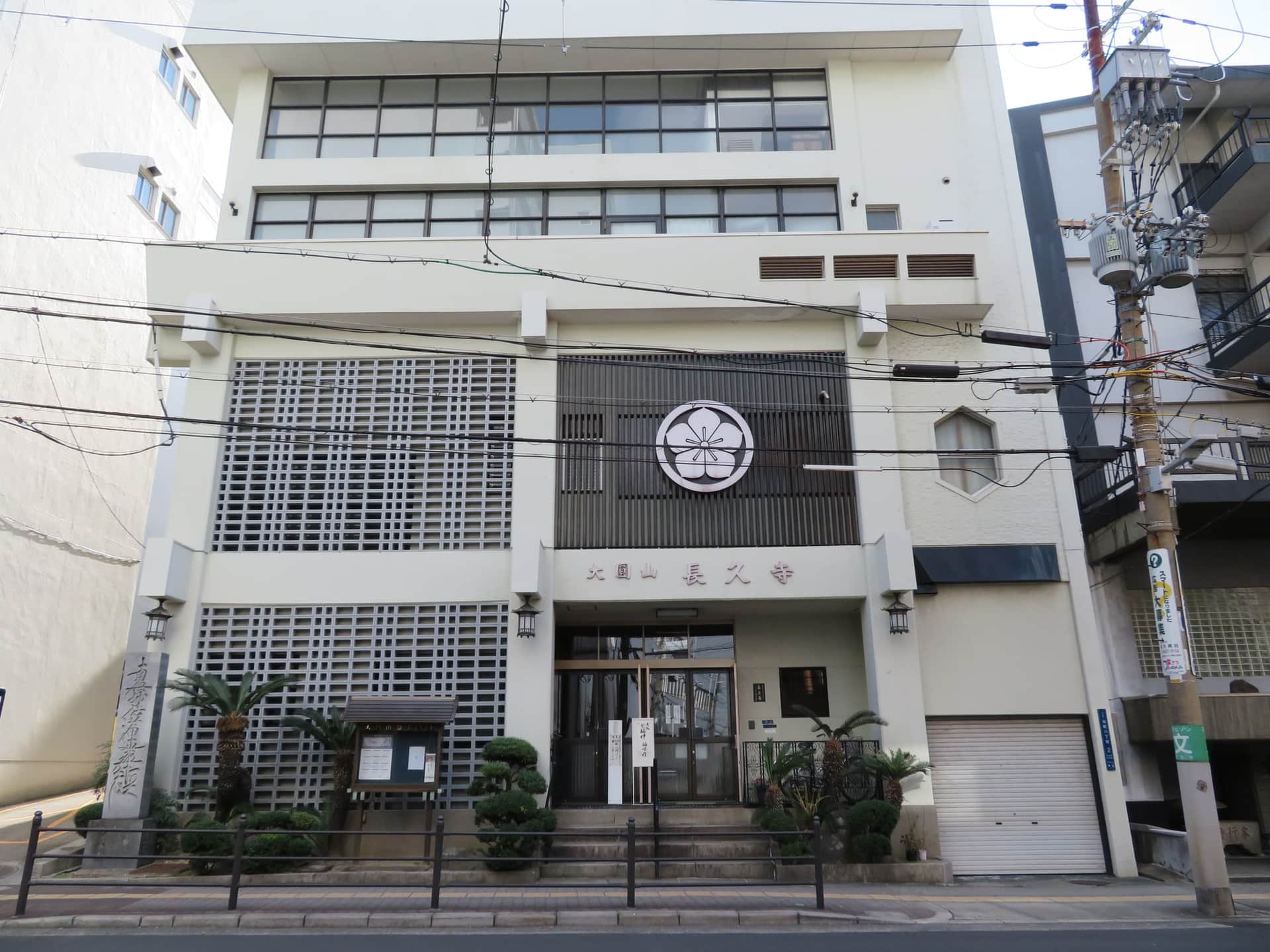
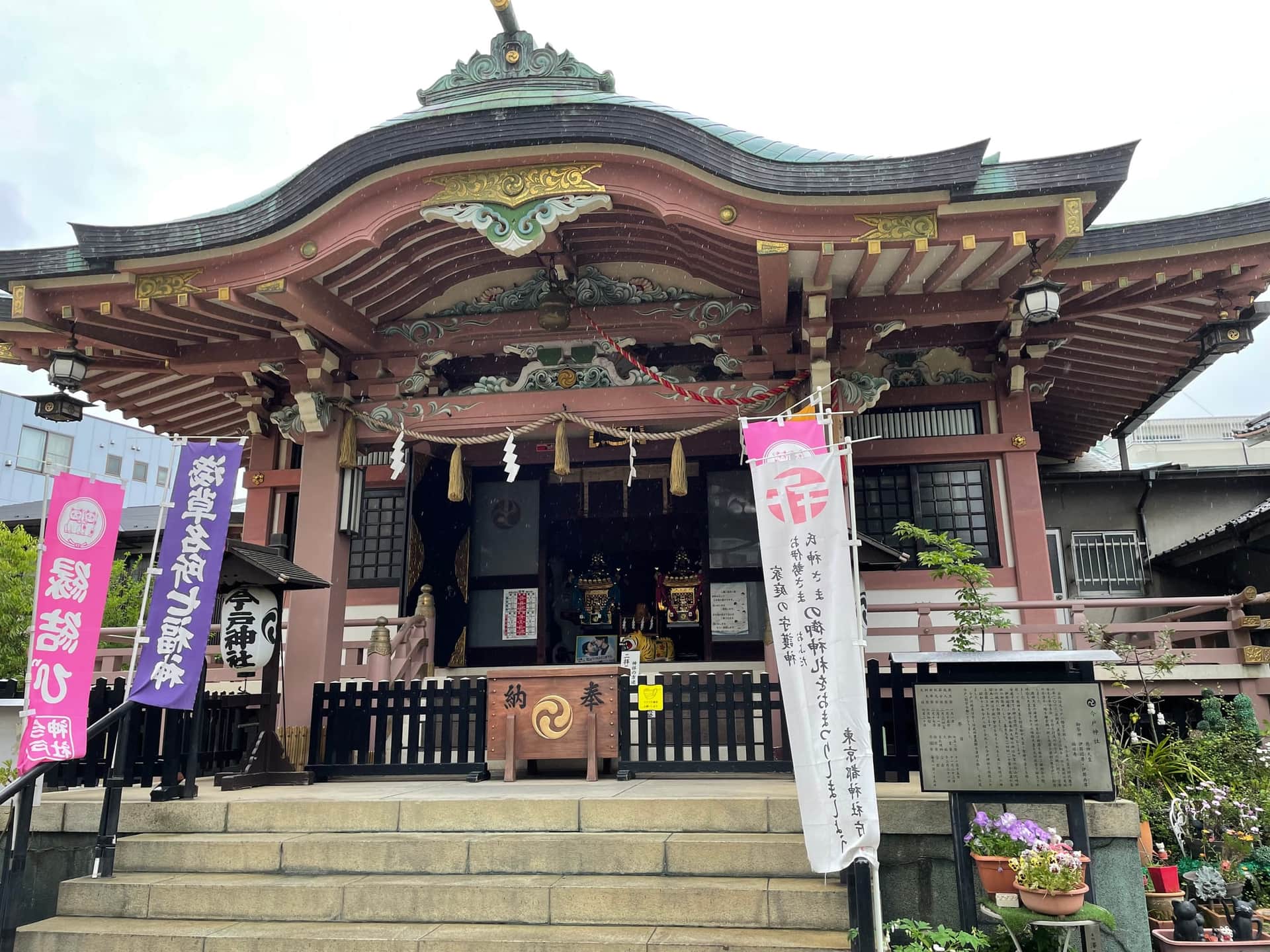
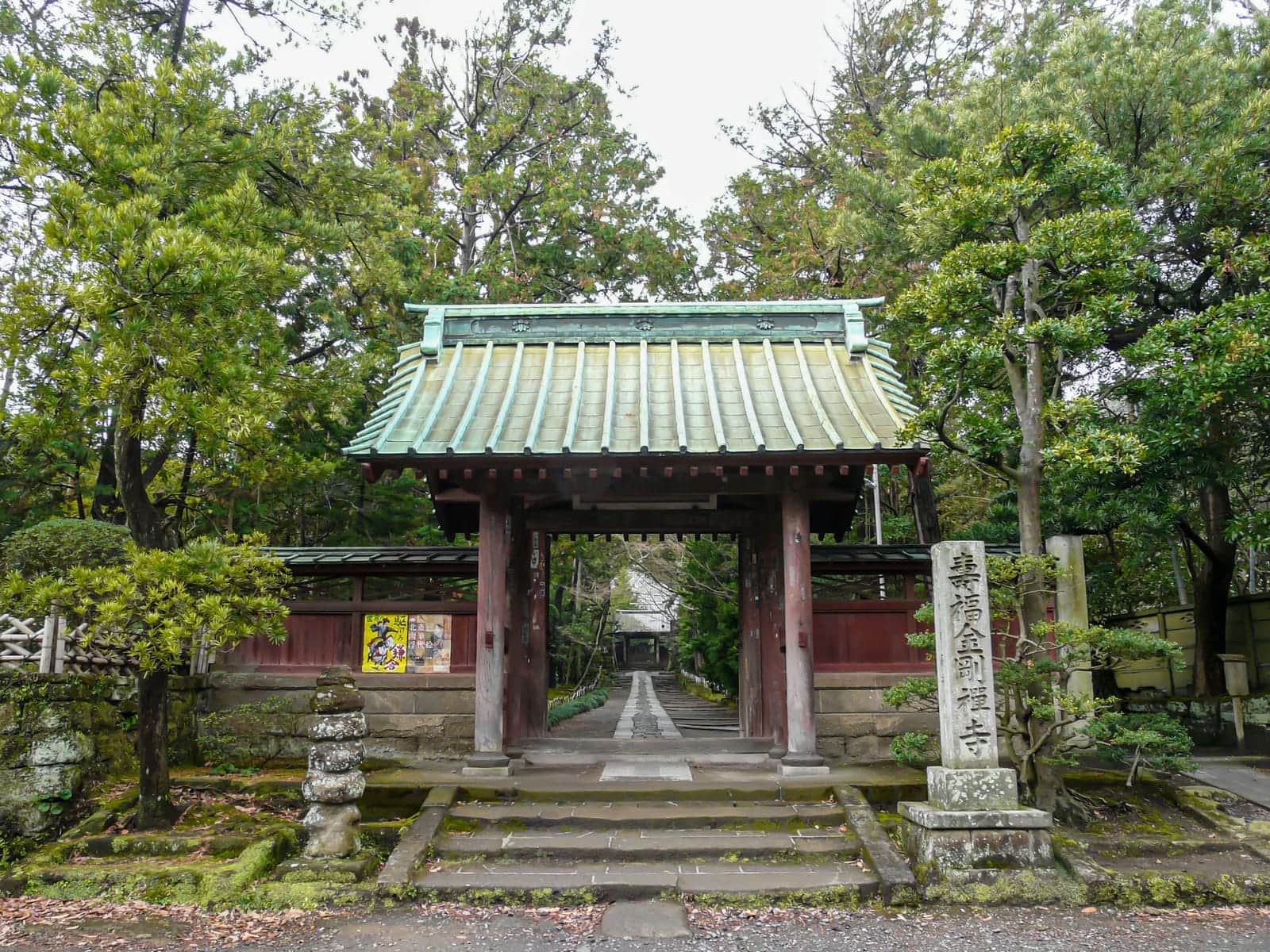
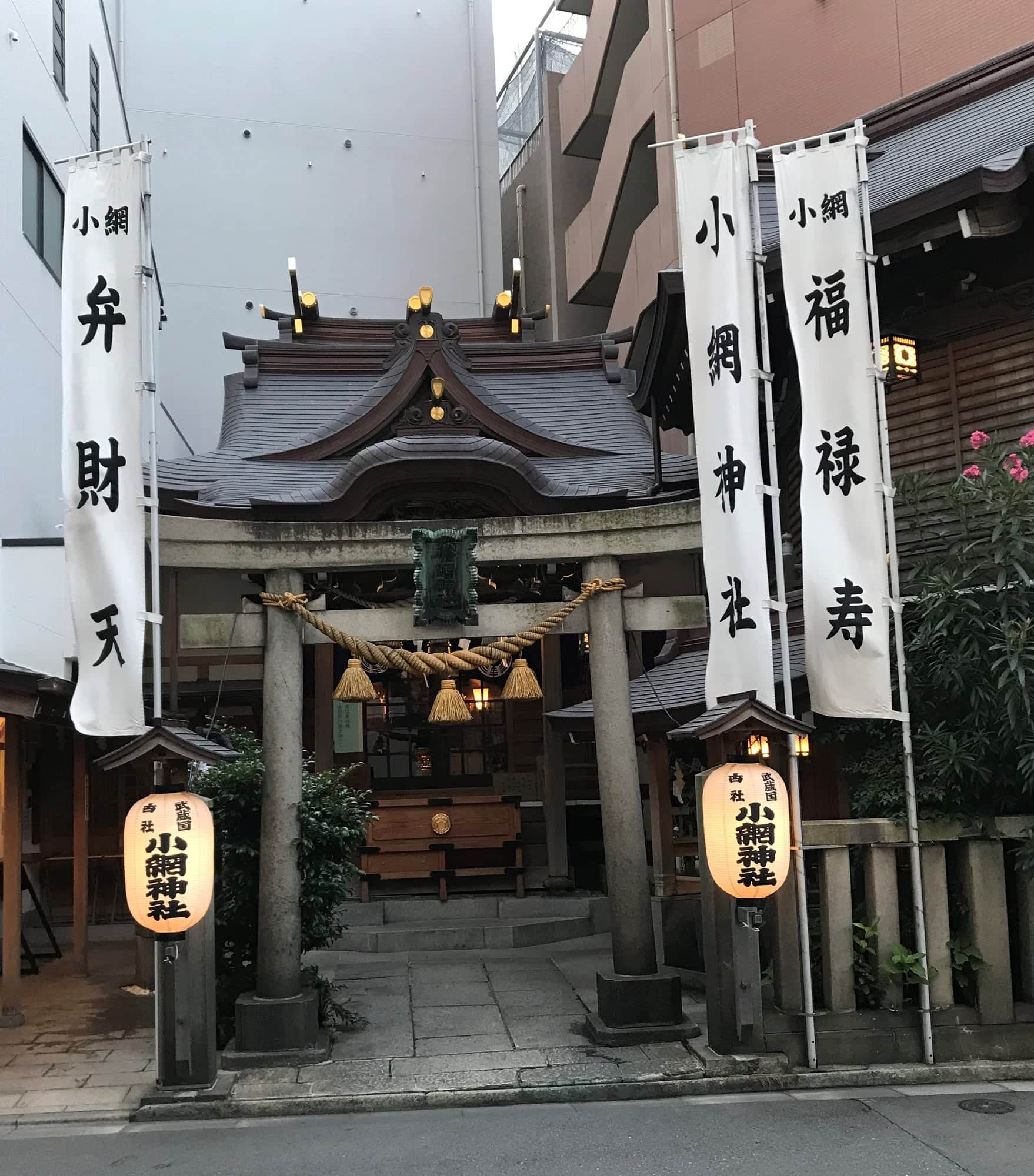
6 places