

Regular
¥500
Also called Sanja-sama
Taito, Tokyo Prefecture
At a Glance
A manga character from the long-running series 'Kochira Katsushika-ku Kameari Ekimae Hashutsujo' has his own stone monument inside the shrine grounds.
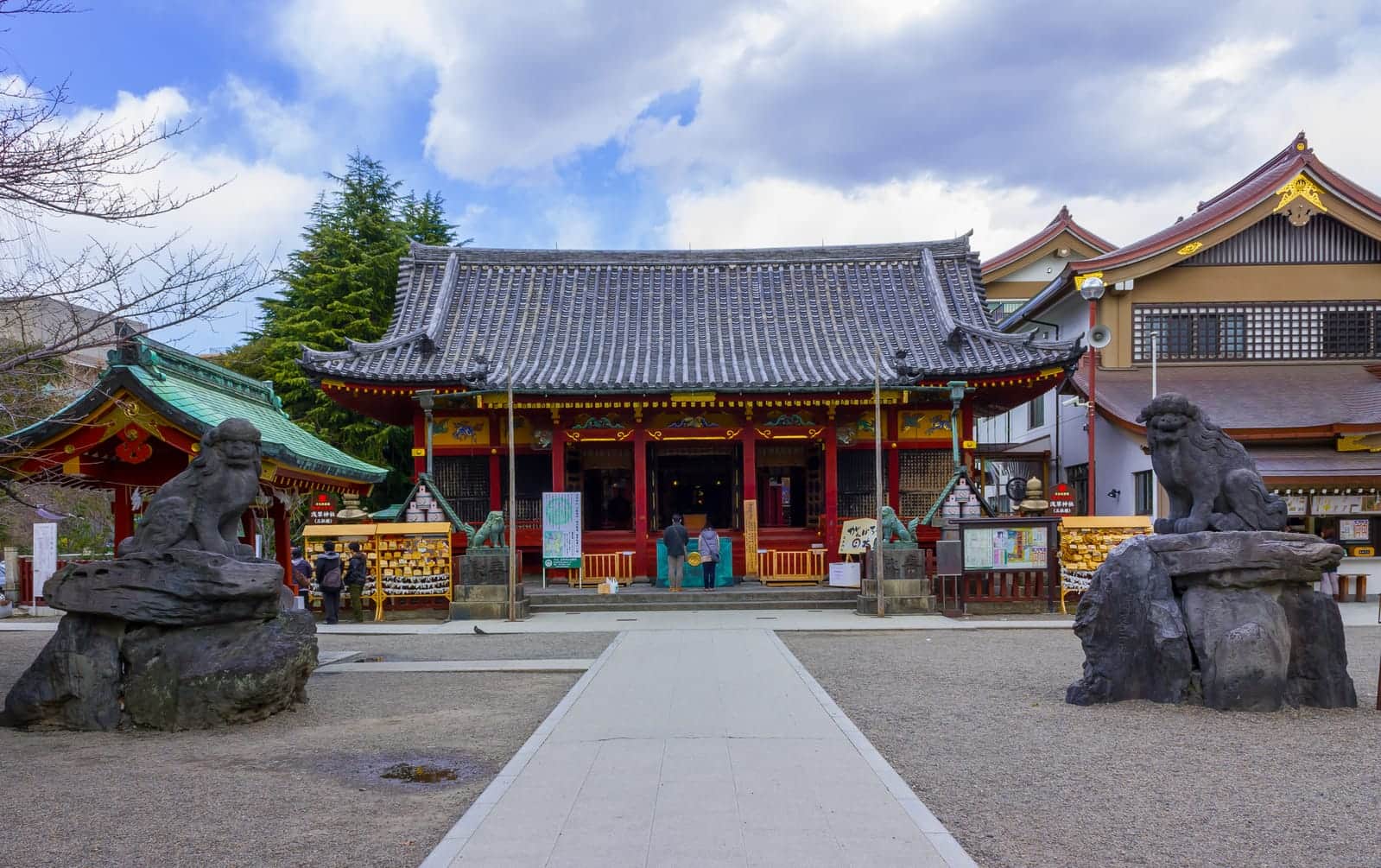
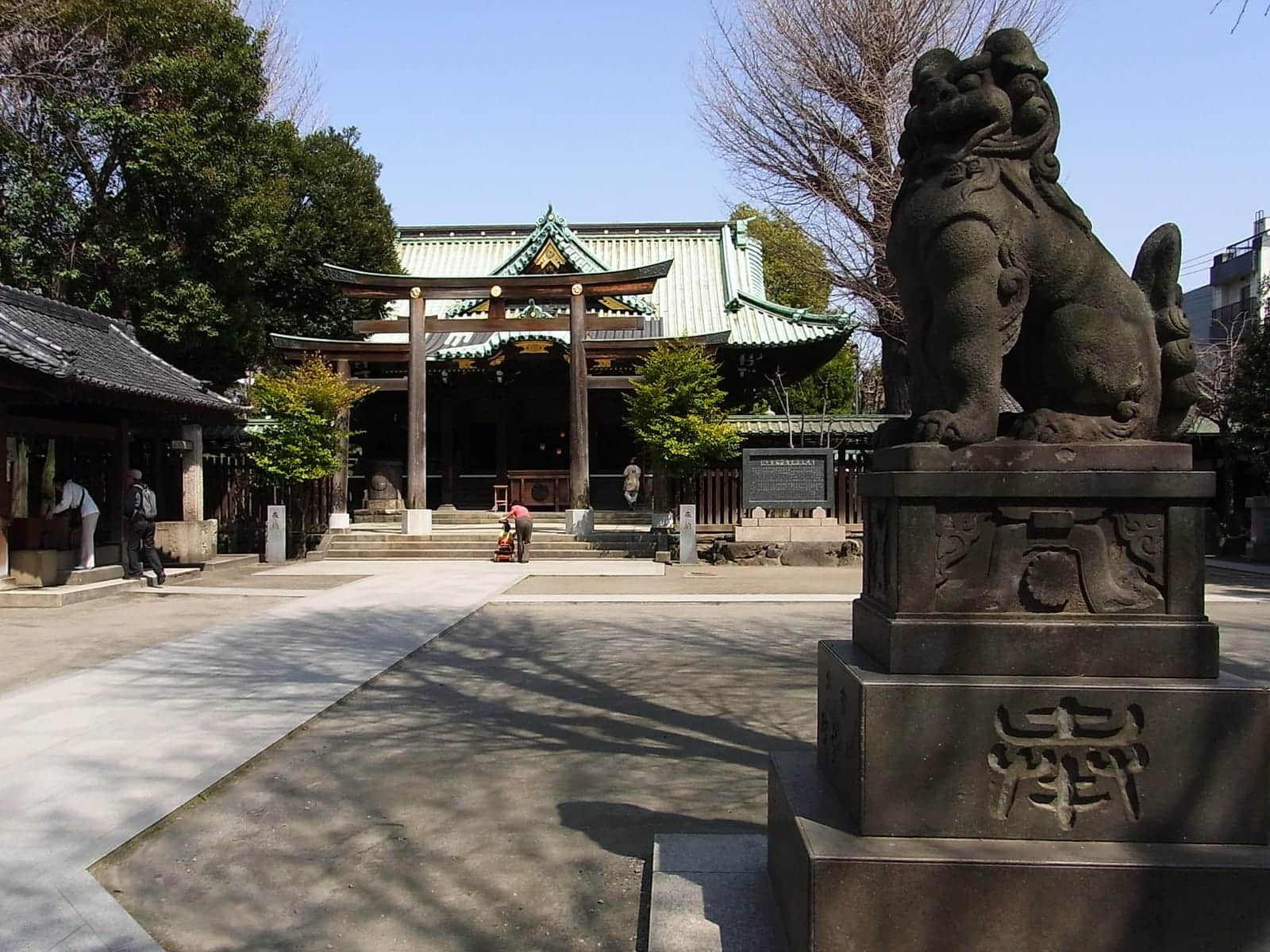
The shrine's main hall was built in 1649 by the third Tokugawa shogun and survived 350 years of fires, wars, and the 1923 earthquake without major damage.
This shrine offers 6 different goshuin designs
Regular
¥500
Regular
¥500
Regular
¥500
Festival
¥800
Festival
¥800
Regular
Typical Crowds
Lively
Visit Duration
Standard (45-60 minutes)
Within 300 m Within 600 m

OTHER SPACE Asakusa
HELLO CYCLING
トーセイホテル ココネ浅草
HELLO CYCLING

F2-07.台東区民会館・東京都立産業貿易センター台東館
docomo bike share
Renting needs the operator's app and a Japanese phone number. docomo day passes are sold at convenience stores. Data sources
If you want to collect a goshuin (stamp), arrive early and be prepared to wait in line, especially during festival periods like Sanja Matsuri in May or seasonal events.
Plan to visit on a weekday or early morning if you're interested in observing the shrine's architecture and spiritual atmosphere without heavy crowds.
Visit during the seasonal special goshuin periods (New Year, Sanja Matsuri in May, summer matsuri, autumn harvest festival, and equinox celebrations) to collect limited-edition stamps featuring intricate cut-paper designs.
If you're driving to the shrine, know that general visitors cannot park on the grounds. Only those receiving prayers (gokito) or attending a wedding can request a parking permit from staff.
Bring your own goshuin book or purchase one at the shrine for 1,000 to 1,500 yen, but note that the shrine will not mail goshuin books or accept pre-made books without purchasing a new stamp.
14 recent visits and photo contributions
5.0
1 review
Walk past the main Senso-ji hall and turn right. Most visitors turn back at Senso-ji, so this shrine stays noticeably quieter. The grounds are compact, and 15 minutes is enough to see everything.
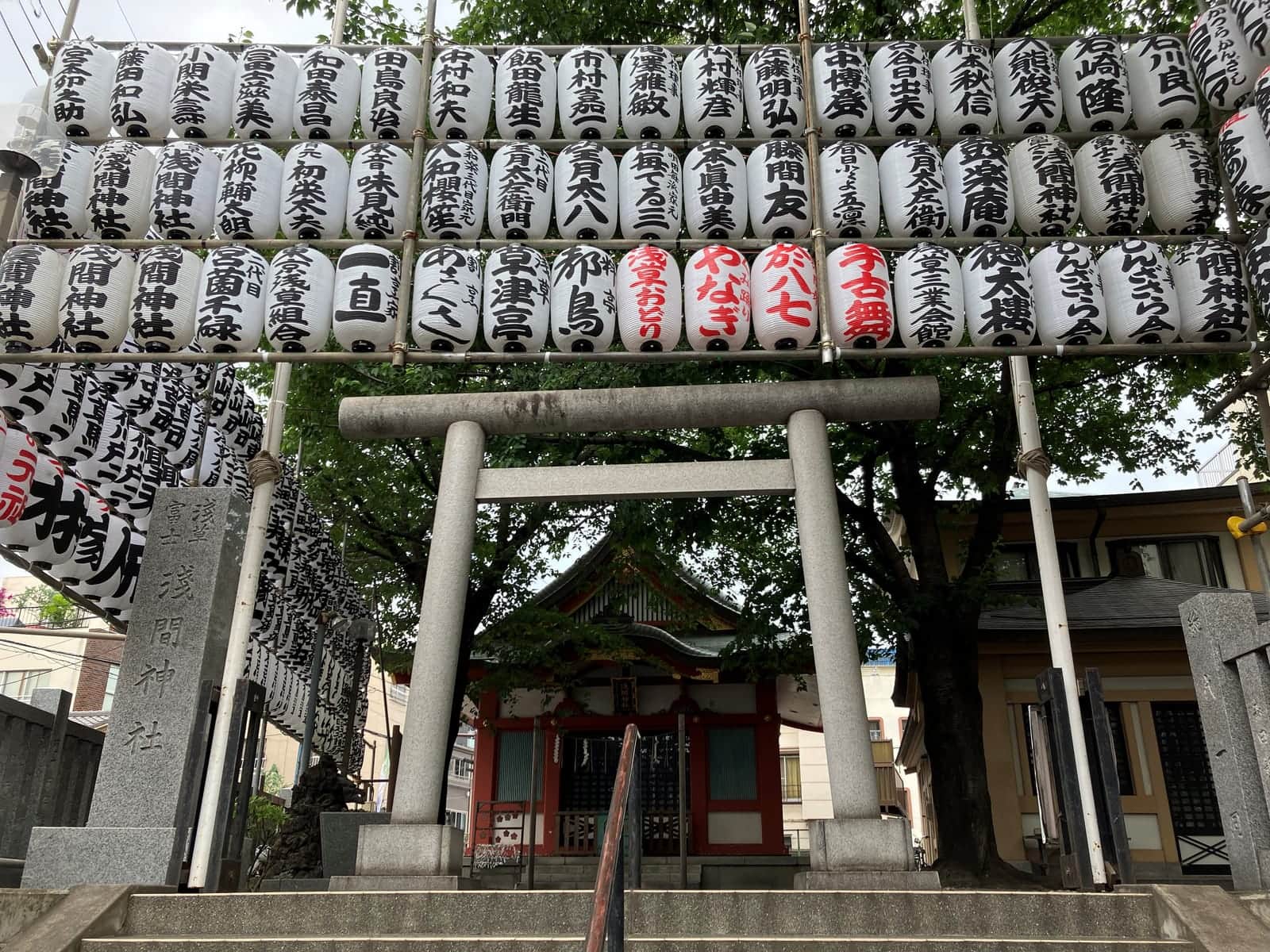
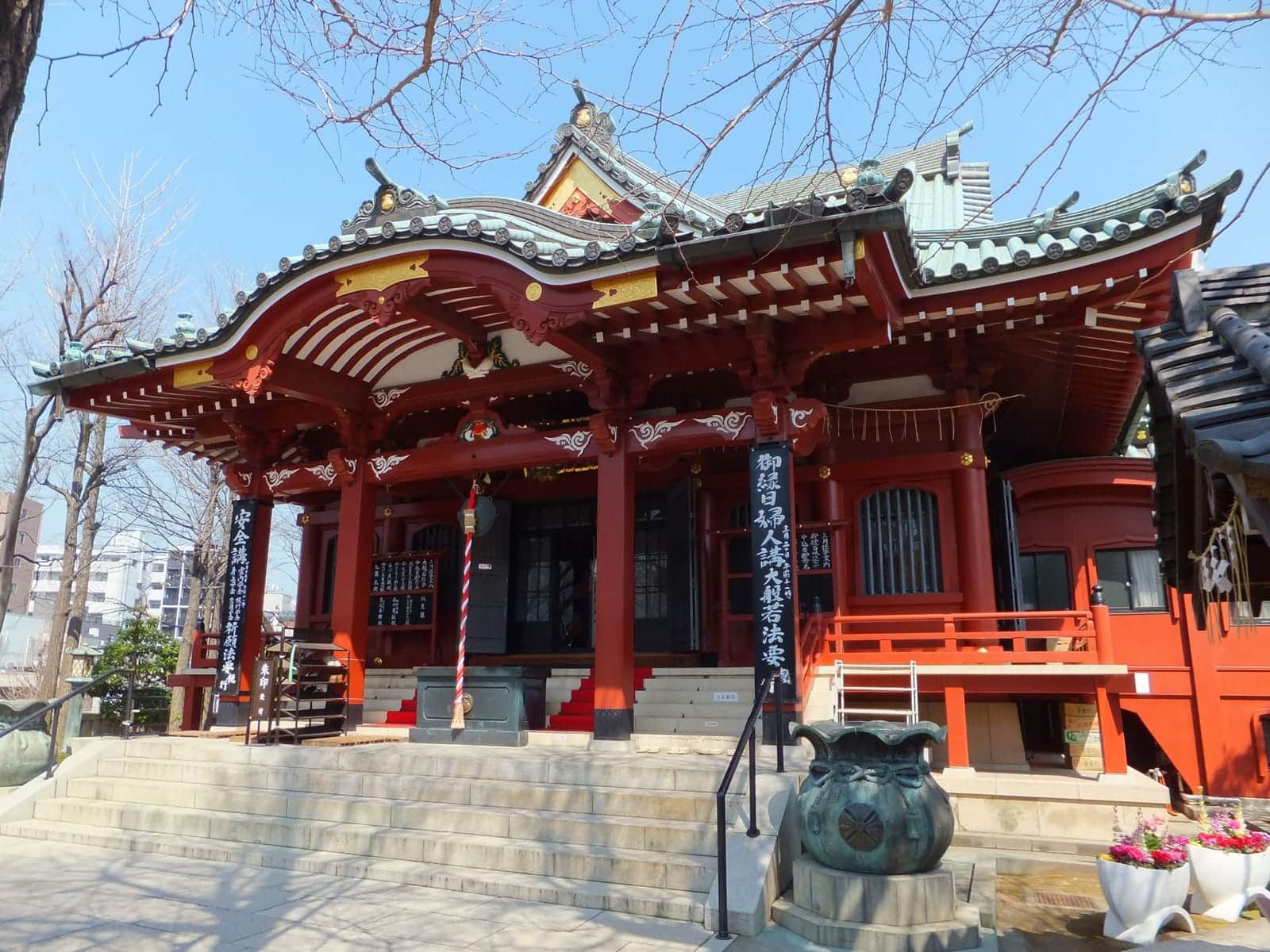
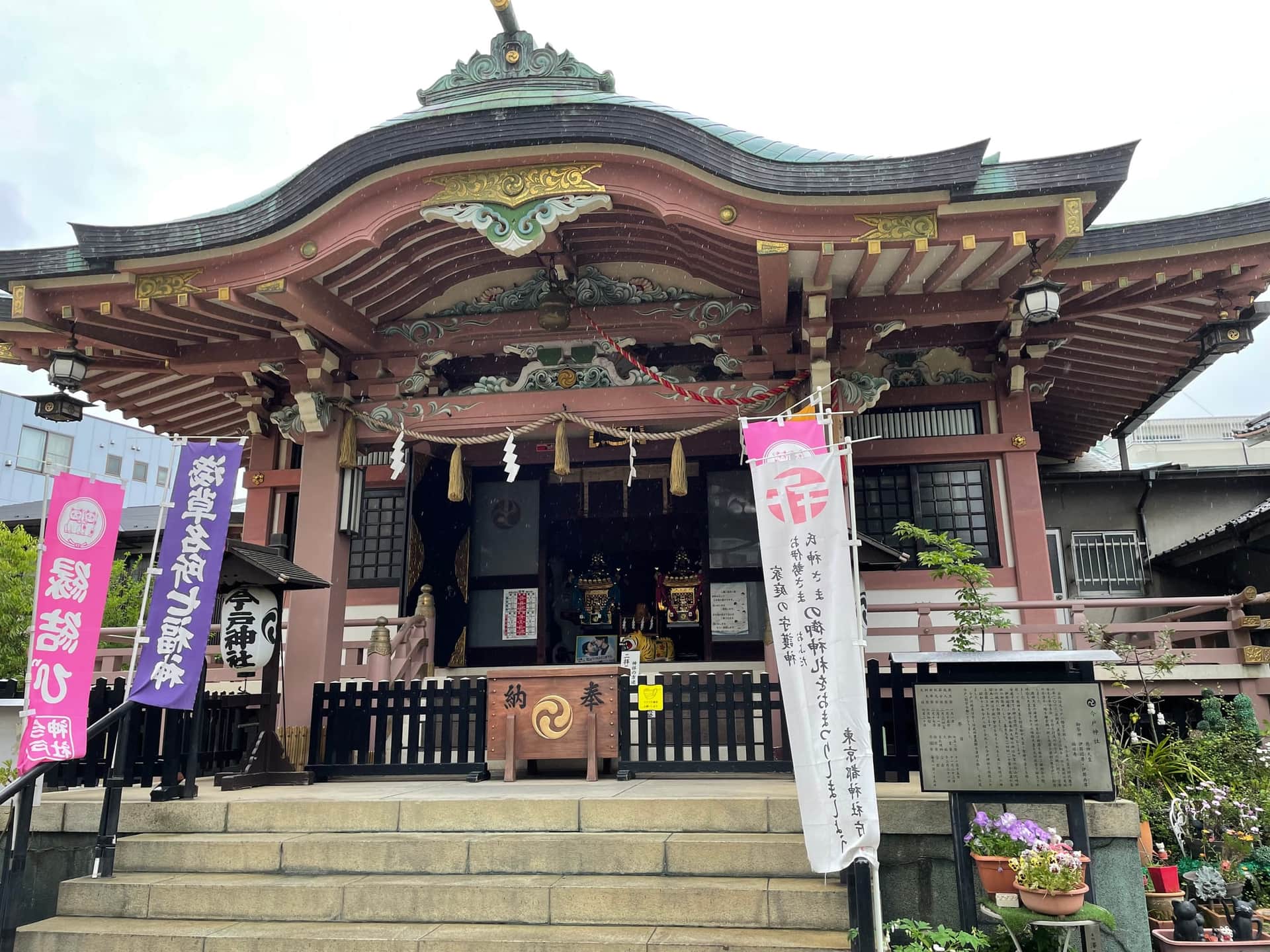
The main building was constructed by Tokugawa Iemitsu and survives to this day as a designated Important Cultural Property. The carved decorations are detailed and worth a close look. Inside the precinct, rows of lanterns line the worship hall, and a small Inari shrine sits behind the main building.
For the goshuin stamp, wait times are short on ordinary weekdays, but limited seasonal designs draw long queues, so check ahead if that matters to you.
 TT
TTThyméo Tancé left a review
Fascinating facts about this place
A manga character from the long-running series 'Kochira Katsushika-ku Kameari Ekimae Hashutsujo' has his own stone monument inside the shrine grounds.
The shrine's main hall was built in 1649 by the third Tokugawa shogun and survived 350 years of fires, wars, and the 1923 earthquake without major damage.
The shrine's pair of lion-dogs (komainu) date to the early Edo period and are unusually valuable for their rare shape, believed to bring good relationships and marriage luck.
According to legend, two fishermen brothers caught a golden Kannon statue in their net in 628 CE, but kept throwing it back until they realized it was sacred.
Seasonal celebrations and special occasions
More ways to continue from this place.
