
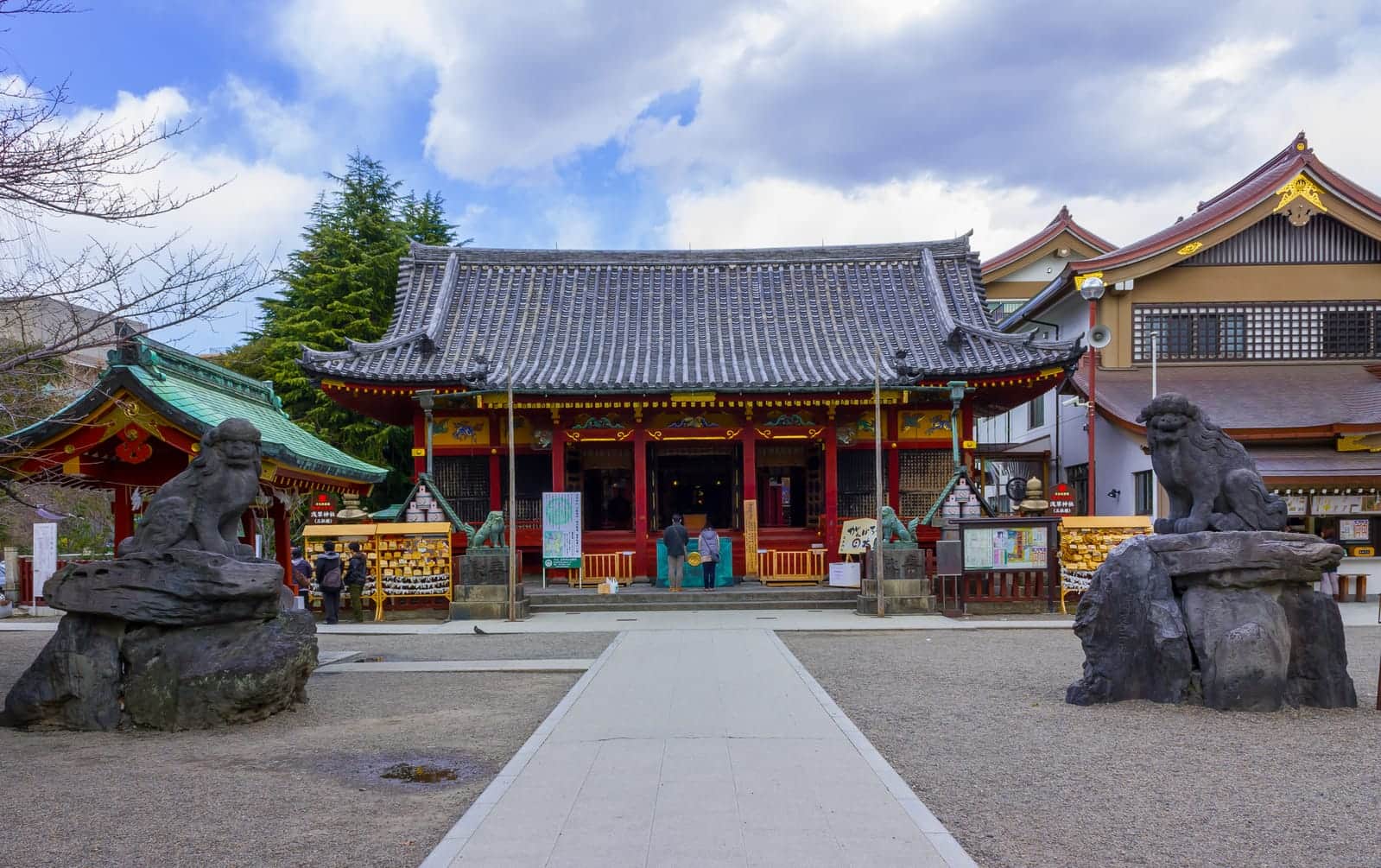
Shrine
Hikan Inari Jinja
Taito•451m(6 min walk)
At a Glance
During the plant market held on the last weekends of May and June, the shrine distributes Mugiwara Ja, traditional straw snake amulets that date back to the Edo period.
A 1671 map published in 1820 confirms the shrine existed at least 350 years ago, making it one of the earliest Fuji faith shrines built when travel to the real Mount Fuji was nearly impossible for common people.
This shrine offers goshuin, but we don't have photos yet. Be the first to share yours!
Seasonal celebrations and special occasions
Sanja Matsuri
Major annual festival of Asakusa Shrine, mentioned as taking place over a weekend in mid-May.
Ueki-ichi
Traditional plant market held over four days on the last Saturday and Sunday of May and June; also described as O-Fuji-San no Ueki-Ichi.
Natsumode
A summer event held on the shrine grounds in July, with open-air musical performances and food stalls.
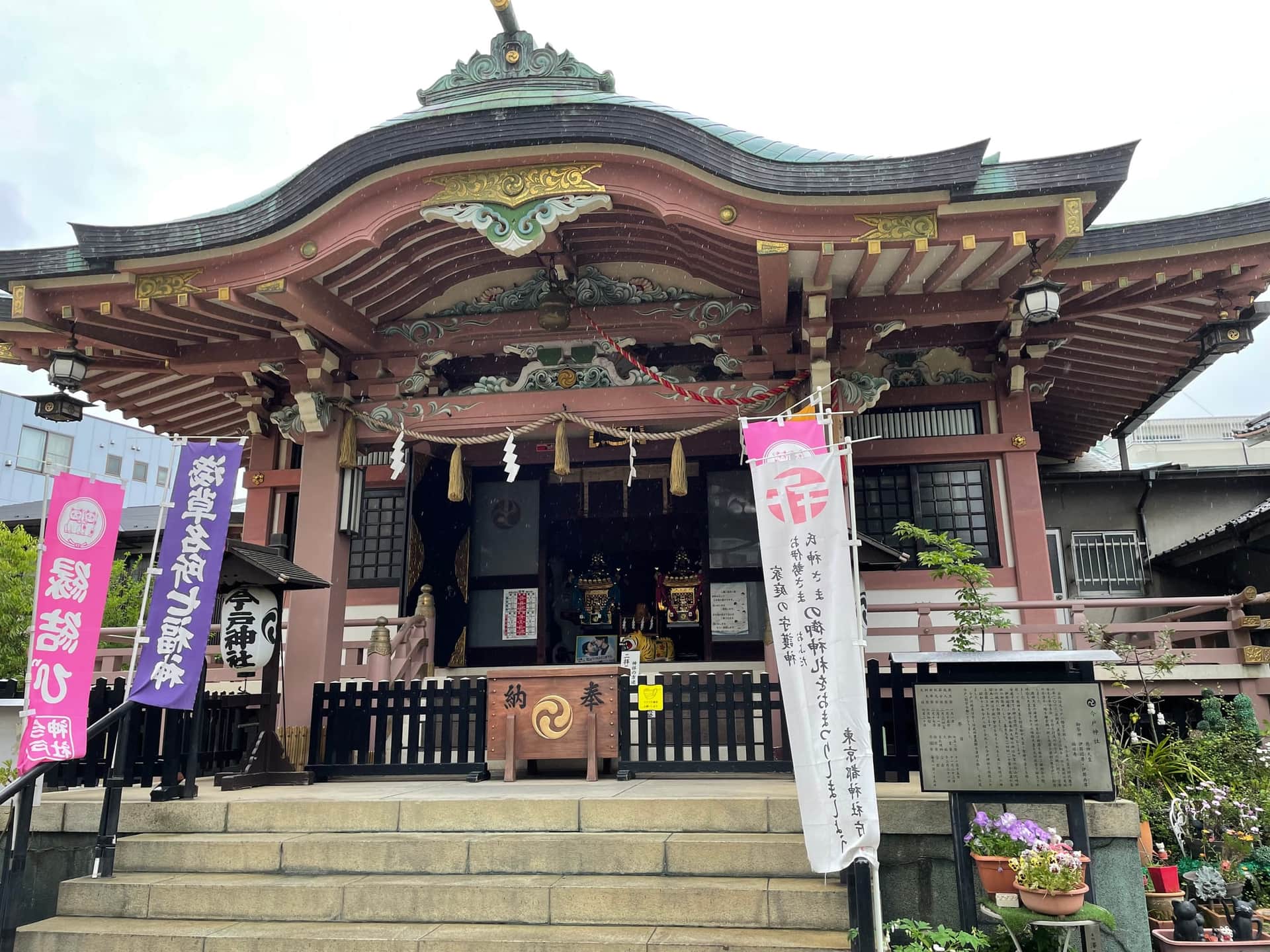
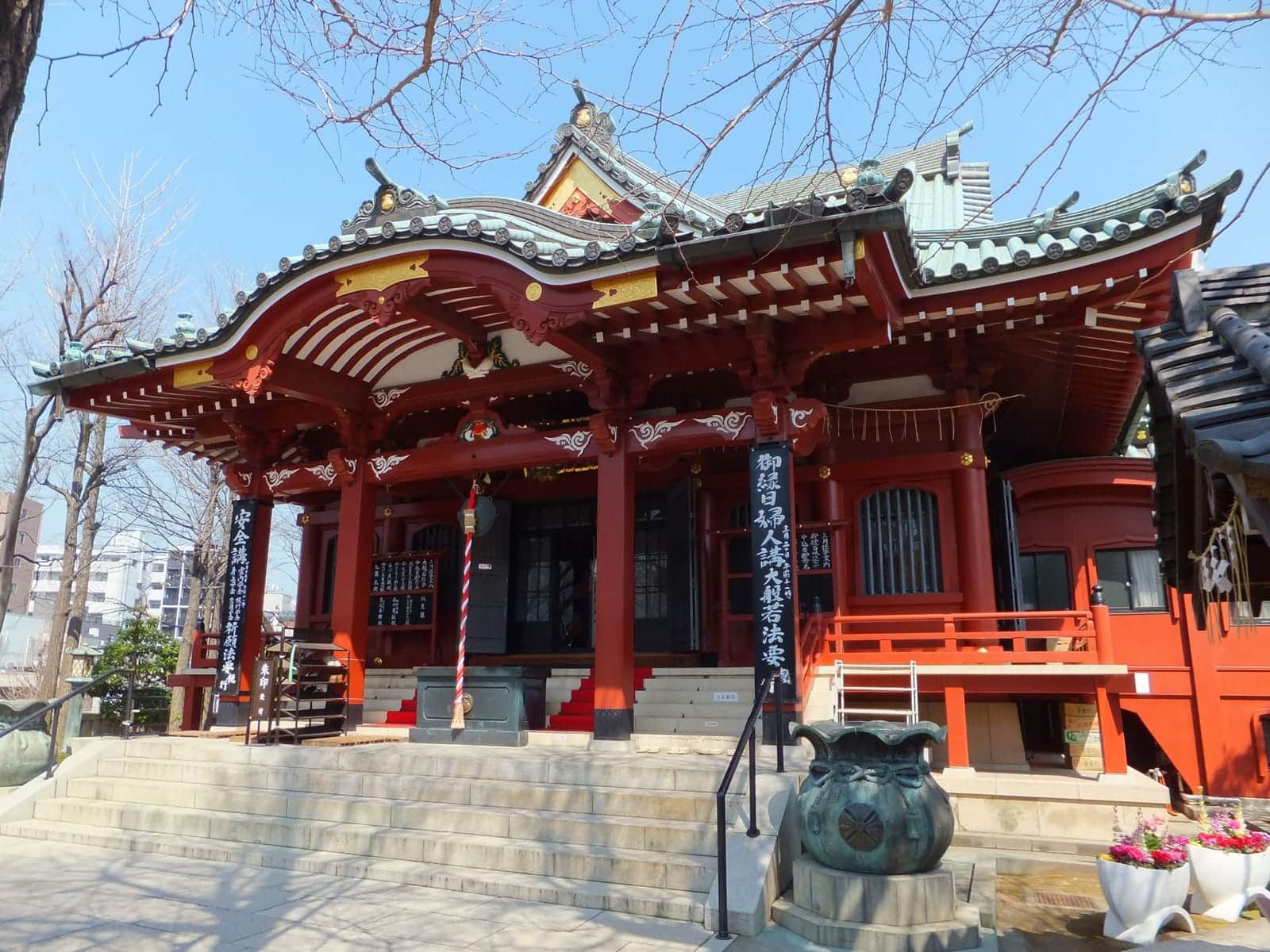
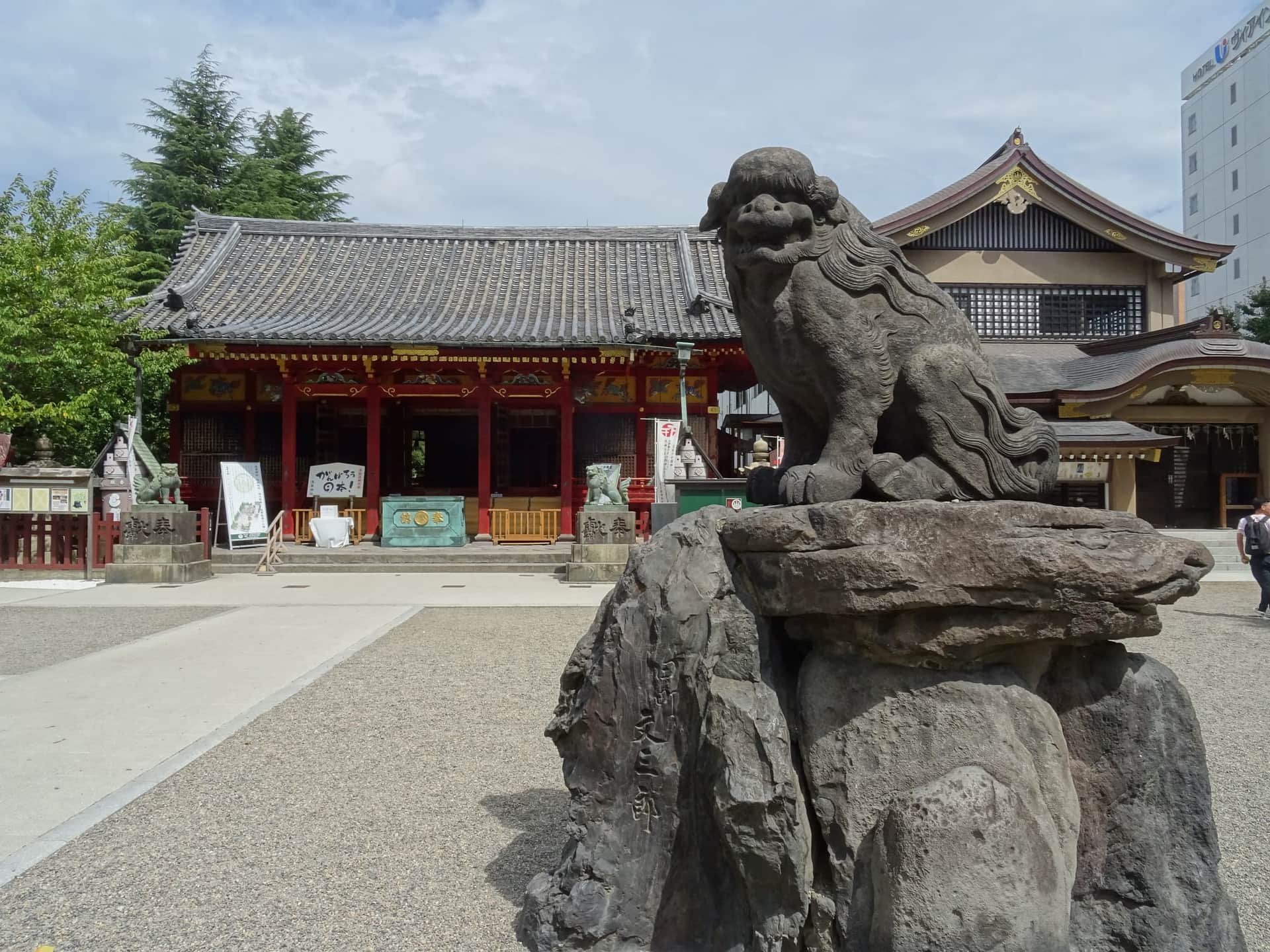
More ways to continue from this place.
Sumida, Tokyo Prefecture
2 recent posts
4.0
1 review
You'll find this shrine about 15 minutes north of the main Asakusa Station (Tokyo Metro Ginza Line) on foot, in a quiet residential pocket of "Oku-Asakusa" near the Asakusa Police Station. If you're coming from the Tsukuba Express Asakusa Station, the walk is closer to 10 minutes. On hot or rainy days, a bus to the Asakusa Police Station stop cuts the walk to just 2 or 3 minutes.
The compact grounds are well maintained and calm, a real contrast to the crowds around Senso-ji. The main draw is the fujizuka, a mound built from actual Mt. Fuji lava, located behind the main hall. You can't climb it freely due to safety restrictions, but it's striking up close.
Stefanie Kammer checked in
Asakusa Fuji Sengen Jinja
Sumida, Tokyo
Within 300 m Within 600 m
Timetable data: Public Transportation Open Data Center
Renting needs the operator's app and a Japanese phone number. docomo day passes are sold at convenience stores. Data sources