Zahlen Sie 500 Yen Eintritt, um den Inneren Garten (Naien) zu betreten, wenn Sie zwischen Mitte Mai und Mitte Juni besuchen, um die Irisblüten auf ihrem Höhepunkt zu sehen, oder von Ende November bis Anfang Dezember für das Herbstlaub.
Auf einen Blick
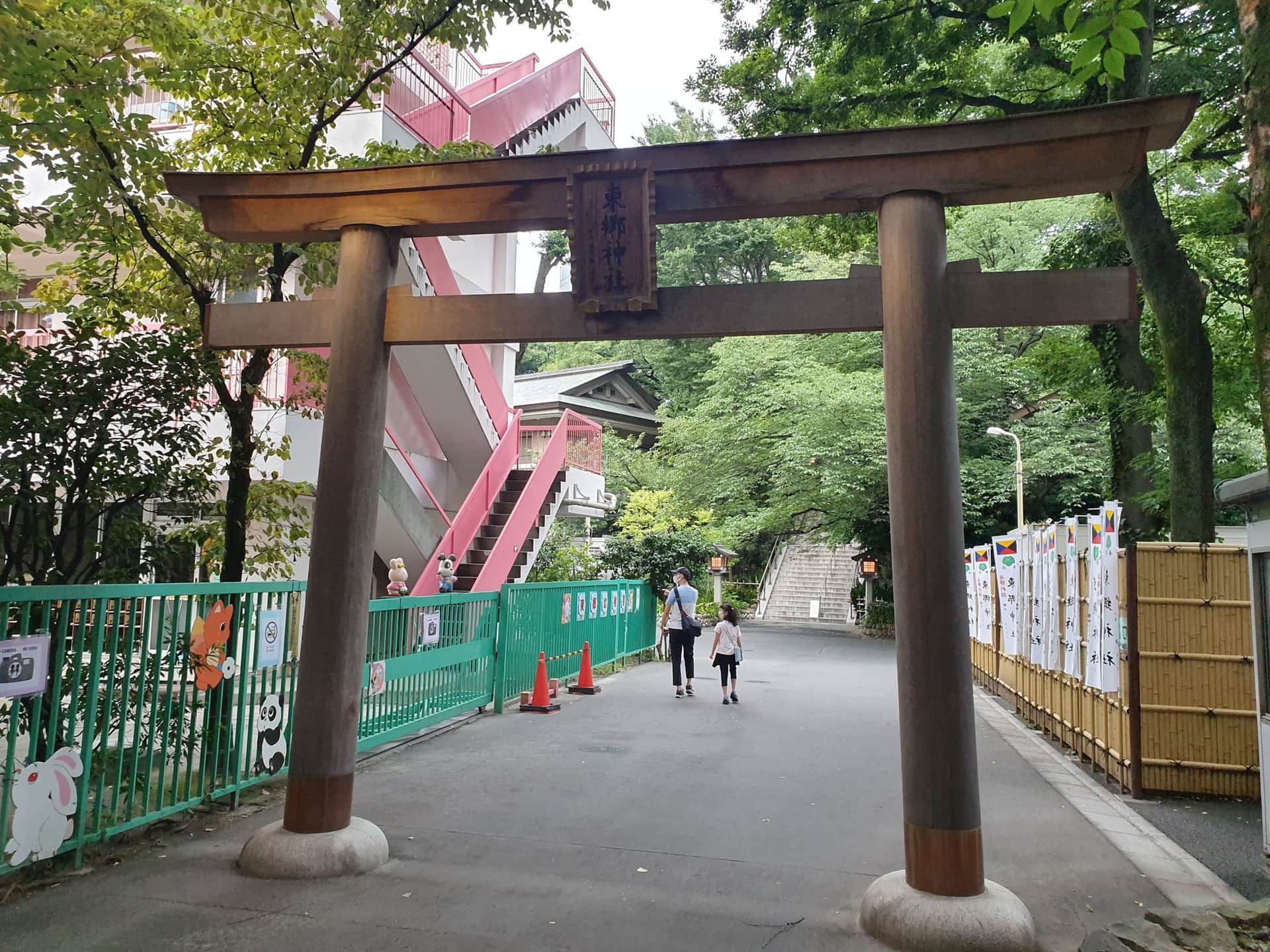
Jedes Jahr durchschreiten allein in den ersten Januartagen mehr als drei Millionen Menschen dasselbe hoch aufragende Holztor, was diesen einzelnen heiligen Ort zur meistbesuchten Kultstätte ganz Japans während der Neujahrssaison macht. Dieses Tor, das große torii am südlichen Eingang zum Meiji Jingu, erhebt sich aus einem bewaldeten Korridor im Herzen von Shibuya, Tokyo, und in dem Moment, in dem man darunter hindurchschreitet, verschwindet die Stadt einfach.
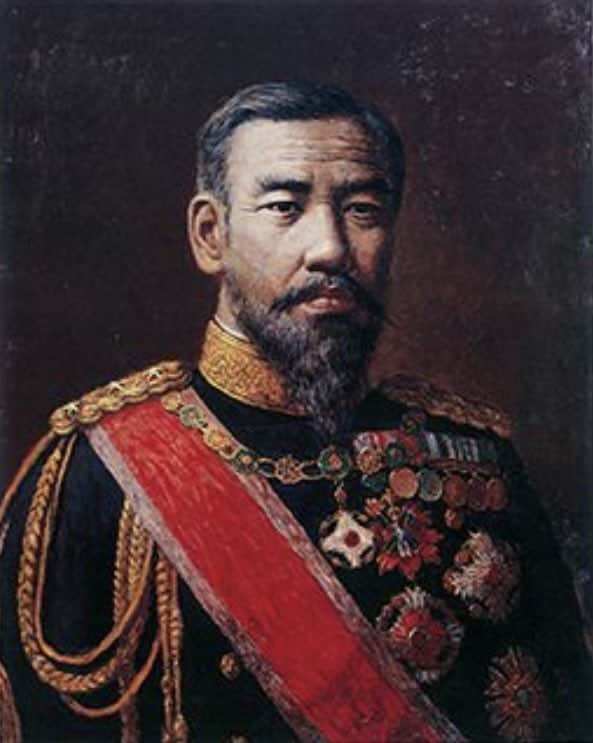
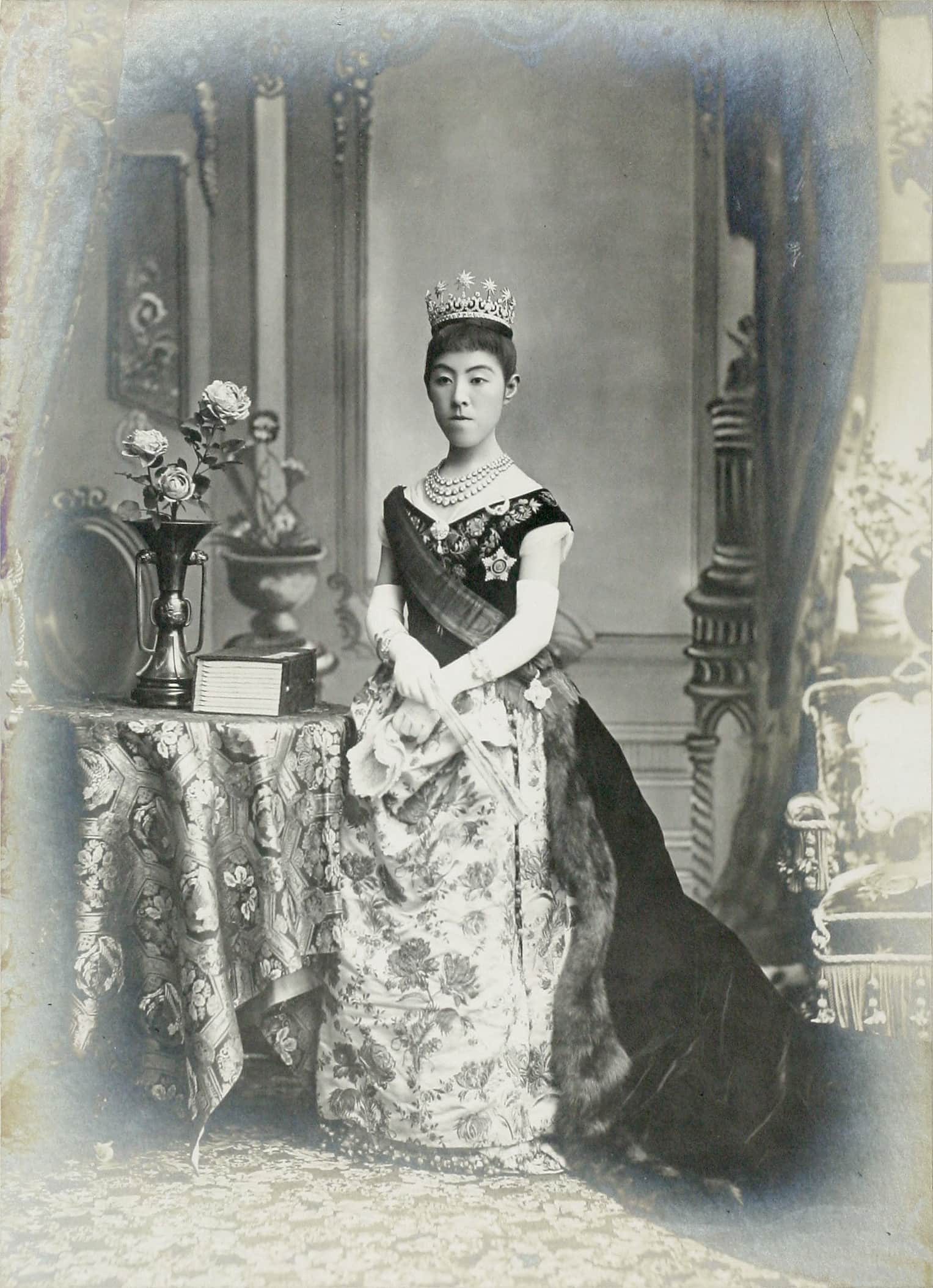
Die Geschichte des Meiji Jingu beginnt mit einem Tod und einer Frage. Als Kaiser Meiji am 30. Juli 1912 starb, hatte Japan keinen klaren rechtlichen Rahmen dafür, was folgen sollte. Er hatte über eine der dramatischsten nationalen Transformationen der modernen Geschichte präsidiert und Japan während der Meiji Restoration von einer feudalen, isolierten Gesellschaft zu einer industrialisierten Weltmacht geführt. 1852 geboren, bestieg er den Thron 1867 genau am Angelpunkt dieser Transformation. Als er starb, hatte Japan eine moderne Verfassung, eine parlamentarische Regierung, ein nationales Eisenbahnnetz und ein Militär, das sowohl China als auch Russland besiegt hatte. Die Frage, die sein Tod aufwarf, war nicht nur zeremonieller Natur. Sie lautete: Wie ehrt eine Nation einen Mann, der sie neu erschaffen hat?
Innerhalb weniger Wochen hatten prominente Persönlichkeiten, darunter der Industrielle Shibusawa Eiichi und Tokios Bürgermeister Sakatani Yoshiro, ein Komitee gebildet und ein formelles Memorandum veröffentlicht, das eine Vision darlegte: ein Schrein mit einem inneren Bezirk, der vom Staat finanziert wird, und einem äußeren Bezirk, der durch öffentliche Spenden finanziert wird. Der von ihnen identifizierte Standort war das Yoyogi Imperial Estate, ein 73 Hektar großes Grundstück im Westen Tokios, das zuvor in der frühen Edo-Zeit als Privatresidenz des Kato-Clans aus der Higo-Domäne gedient hatte, dann ab 1640 als unteres Anwesen des Ii-Clans aus der Hikone-Domäne, bevor es 1874 von der Meiji-Regierung gekauft wurde.
Der Kaiserliche Reichstag genehmigte das Projekt offiziell, und am 1. Mai 1915 wurde die Errichtung des Meiji Jingu offiziell bekannt gegeben. Der Bau begann unter dem Architekten Ito Chuta im traditionellen nagare-zukuri-Stil, wobei hauptsächlich japanische Zypresse und Kupfer verwendet wurden. Die Hauptbauholzstämme kamen aus Kiso in der Präfektur Nagano und aus Alishan in Taiwan, damals ein japanisches Territorium, wobei Materialien aus jeder Präfektur des Kaiserreichs stammten, einschließlich Karafuto, Korea und Kwantung. Der Bau war ein wahrhaft nationales Unterfangen: Jugendgruppen und Bürgervereinigungen aus ganz Japan trugen Arbeitskraft und Finanzierung bei, und 100.000 Bäume wurden von Bürgern aus allen Regionen des Landes gespendet und ab 1916 gepflanzt.
Der Schrein wurde am 3. November 1920, dem Geburtstag von Kaiser Meiji, offiziell geweiht, und sein Gelände war bis 1926 vollständig fertiggestellt. Das ursprüngliche Innen
Der heilige Wald umfasst 70 Hektar mit 120.000 Bäumen von 365 Arten, die bei der Gründung des Schreins aus ganz Japan gespendet wurden.
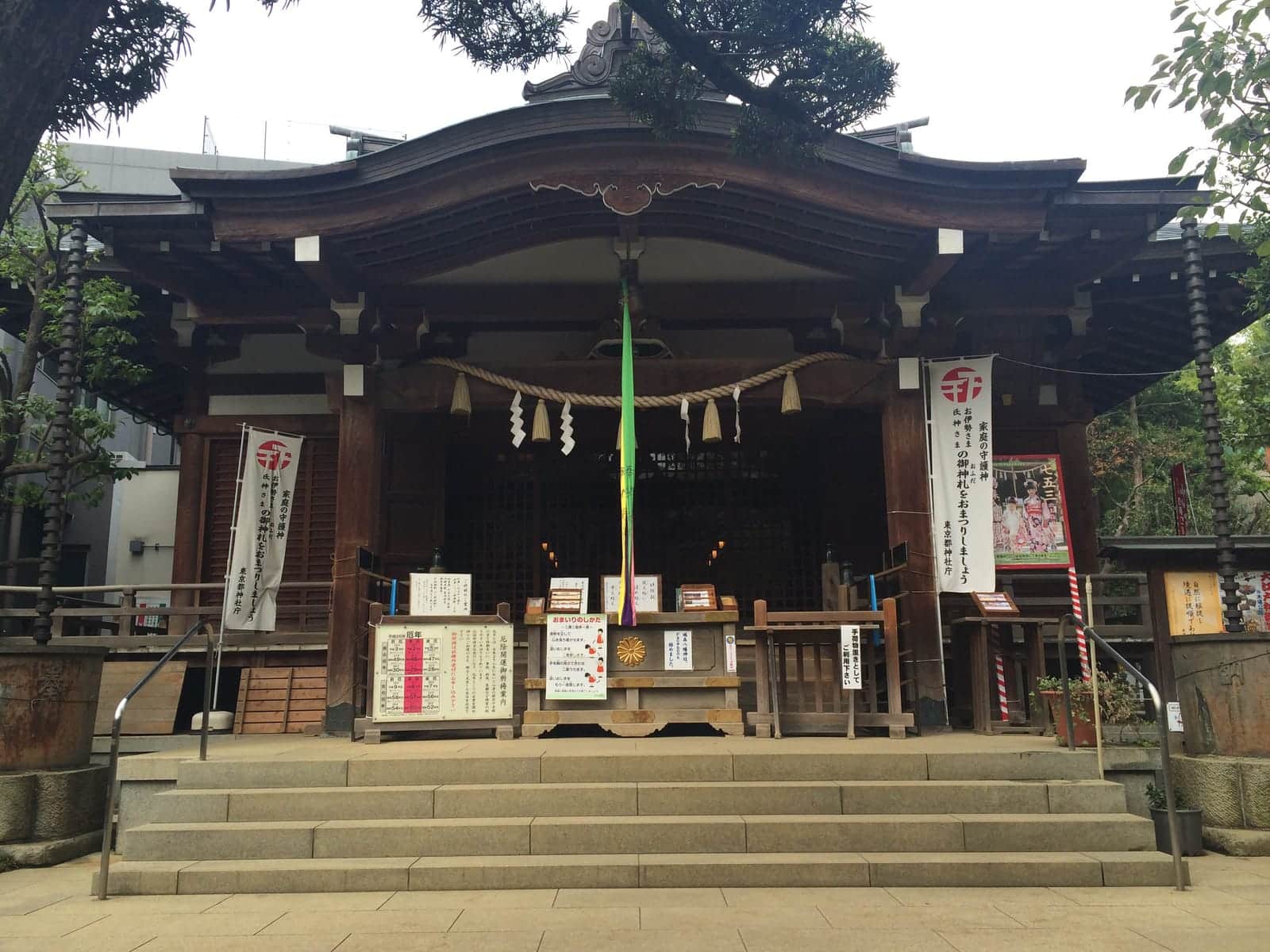
Die ursprünglichen Schreingebäude wurden bei den Luftangriffen auf Tokio 1945 vollständig zerstört, aber die Struktur wurde bis 1958 getreu wiederaufgebaut und verwendete dabei genau denselben traditionellen nagare-zukuri Stil und die gleichen Materialien wie das Original.
Das schrein Angebote 2 verschiedene Goshuin-Designs
Limitierte Auflage, beschränkte Auflage
¥1.500
Regulär
Zahlen Sie 500 Yen Eintritt, um den Inneren Garten (Naien) zu betreten, wenn Sie zwischen Mitte Mai und Mitte Juni besuchen, um die Irisblüten auf ihrem Höhepunkt zu sehen, oder von Ende November bis Anfang Dezember für das Herbstlaub.
Bitten Sie statt eines Standard-Omikuji um das Oomikokoro (大御心), das einzigartig für diesen Schrein ist und aus Gedichten von Kaiser Meiji oder Kaiserin Shoken mit erläuterndem Kommentar anstelle von Wahrsagungsprognosen besteht.
Besuchen Sie den Wald an einem Wochentag morgens gleich nach der Öffnung (die Zeiten variieren je nach Jahreszeit, liegen aber typischerweise zwischen 5-6:40 Uhr je nach Monat), um den Wald in fast völliger Einsamkeit zu erleben, bevor Reisegruppen eintreffen.
Wenn Sie während des Herbst-Großfestivals (Ende Oktober bis 3. November) zu Besuch kommen, sollten Sie die traditionellen Kampfkunst-Demonstrationen und die Bogenschießen zu Pferd (yabusame)-Aufführungen einplanen, die während dieser Zeit angeboten werden.
Tragen Sie bequeme Wanderschuhe. Vom Bahnhof Harajuku zu den Schreingebäuden ist es etwa ein 10-minütiger Spaziergang auf Kieseln, und das gesamte Gelände erfordert mehr Zeit durch den Wald. Die Wege sind uneben, also achten Sie auf Ihre Schritte.
An diesem heiligen Ort werden die göttlichen Geister verehrt
15 Strukturen auf dem Gelände
Praktische Antworten für die Planung dieses speziellen Besuchs.
Wenn Sie nur den Schrein selbst besuchen, benötigen Sie etwa 1 Stunde. Wenn Sie beabsichtigen, den Inneren Garten und das Meiji Jingu Museum zu besuchen, wird es wahrscheinlich etwa 2 Stunden dauern.
Auf dem Gelände des Meiji Jingu gibt es keine Möglichkeit, Koffer aufzubewahren.
Essen und Trinken ist nur in den dafür vorgesehenen Bereichen gestattet. Bitte sehen Sie davon ab, anderswo auf dem Gelände zu essen oder zu trinken.
Die Restaurants und der Geschenkeladen akzeptieren Kreditkarten. Das Amulett-Büro, die Kaguraden und der Goshuin-Schalter akzeptieren keine Kreditkarten.
Ja. WLAN ist in den Restaurants und Geschenkläden verfügbar.
Bitte rufen Sie 03-3379-5511 an (nur auf Japanisch). Es wird auch empfohlen, sich an eine nahegelegene Polizeibox zu wenden.
Bitte stellen Sie Ihr Fahrrad auf dem Fahrradparkplatz am Eingang zum Schreingelände ab, bevor Sie eintreten.
Ja, das ist möglich. Das Fotografieren ist jedoch vor dem Hauptschrein, wo Menschen beten, verboten. Bitte sehen Sie auch davon ab, Fotos vom Amulett-Büro zu machen.
Meiji Jingu ist zu jeder der vier Jahreszeiten und zu jeder Zeit des Jahres einen Besuch wert. Es verfügt über eine üppige natürliche Umgebung, und es finden das ganze Jahr über verschiedene Rituale und Veranstaltungen statt.
Ja, das können Sie. Bitte spüren Sie Shinto an diesem heiligen Ort.
Shibuya, Tokyo Präfektur
Nicht bestätigt
Typische Menschenmassen
Geschäftig
Besuchsdauer
90+ Minuten
Weitere passende Seiten zu diesem Ort.
Unter 300 m Unter 600 m
Fahrplandaten: Public Transportation Open Data Center
Was dieser Ort der Überlieferung nach gewähren soll
74 aktuelle Beiträge
4.8
16 Bewertungen
Planen Sie Ihren Besuch anhand des Kalenders. Die ersten Januartage ziehen über drei Millionen Menschen zum Hatsumode an. Wenn Sie also Raum haben möchten, um sich tatsächlich umzusehen, kommen Sie zu jeder anderen Jahreszeit.
Das Tempelgelände lohnt einen gemächlichen Spaziergang, gönnen Sie sich daher mehr Zeit, als Sie meinen zu brauchen. Wochentage am Morgen sind unabhängig von der Jahreszeit tendenziell ruhiger als Wochenenden.
Tragen Sie bequeme Schuhe, da die Wege eine beträchtliche Strecke umfassen. Informieren Sie sich vor Ihrem Besuch über lokale Verkehrsmittel, da Parkplätze in der Nähe großer Tempel an geschäftigen Tagen schnell voll sind.
 IN
INIsabel Nijhuis hat eingecheckt
Meiji Jingu
Shibuya, Tokyo
AJPro hat ein Goshuin geteilt