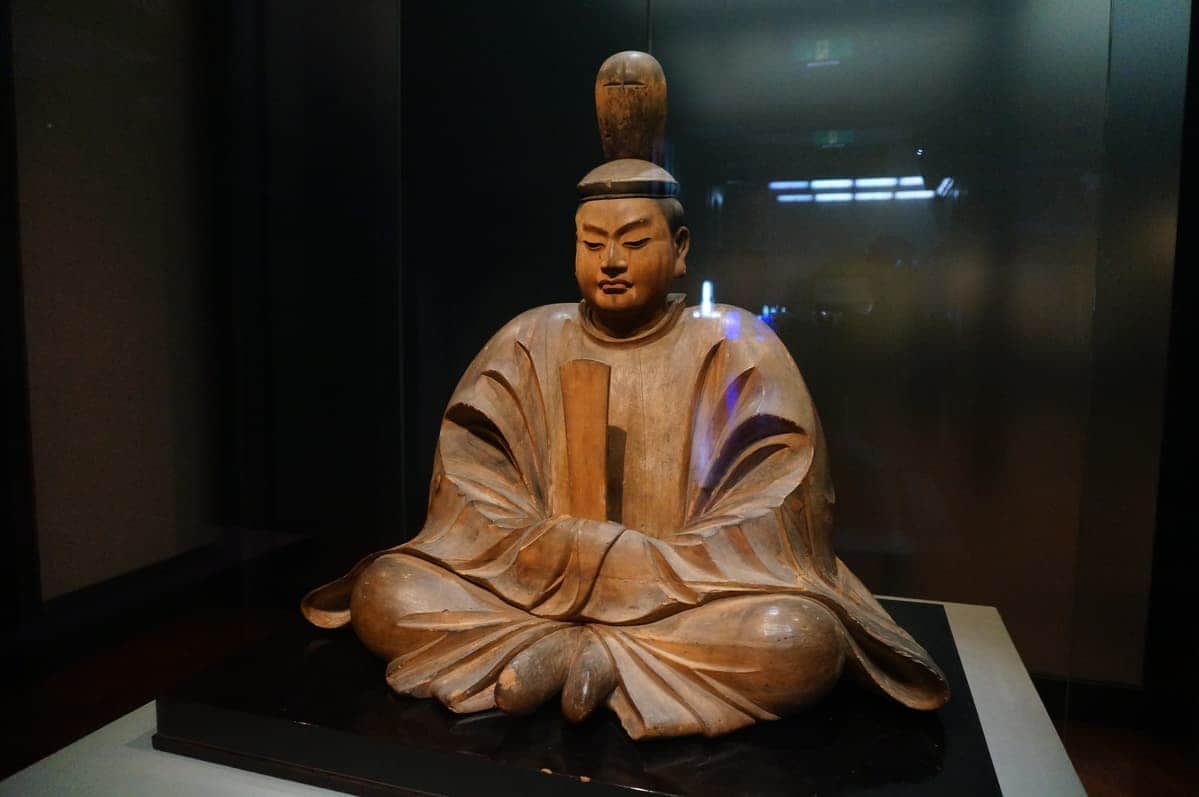
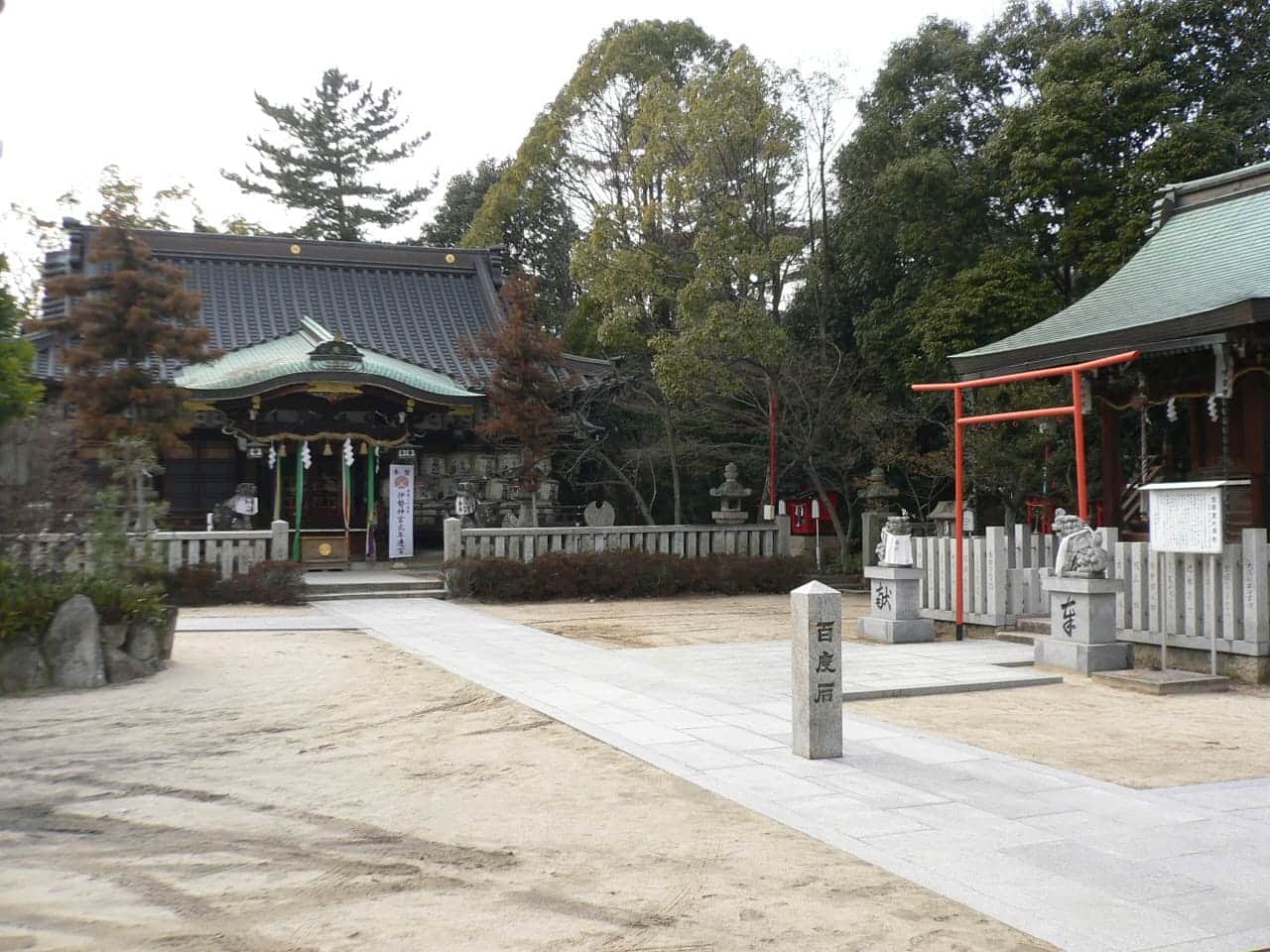
Don't miss the Itsukushima Shrine located on the left side of the main hall after you finish at the main worship hall. This subsidiary shrine is worth a separate visit within the grounds.
At a Glance
Visitors often report experiencing sudden gusts of wind at the torii gates and at the subsidiary Itsukushima Shrine, which locals interpret as the kami welcoming worshippers.
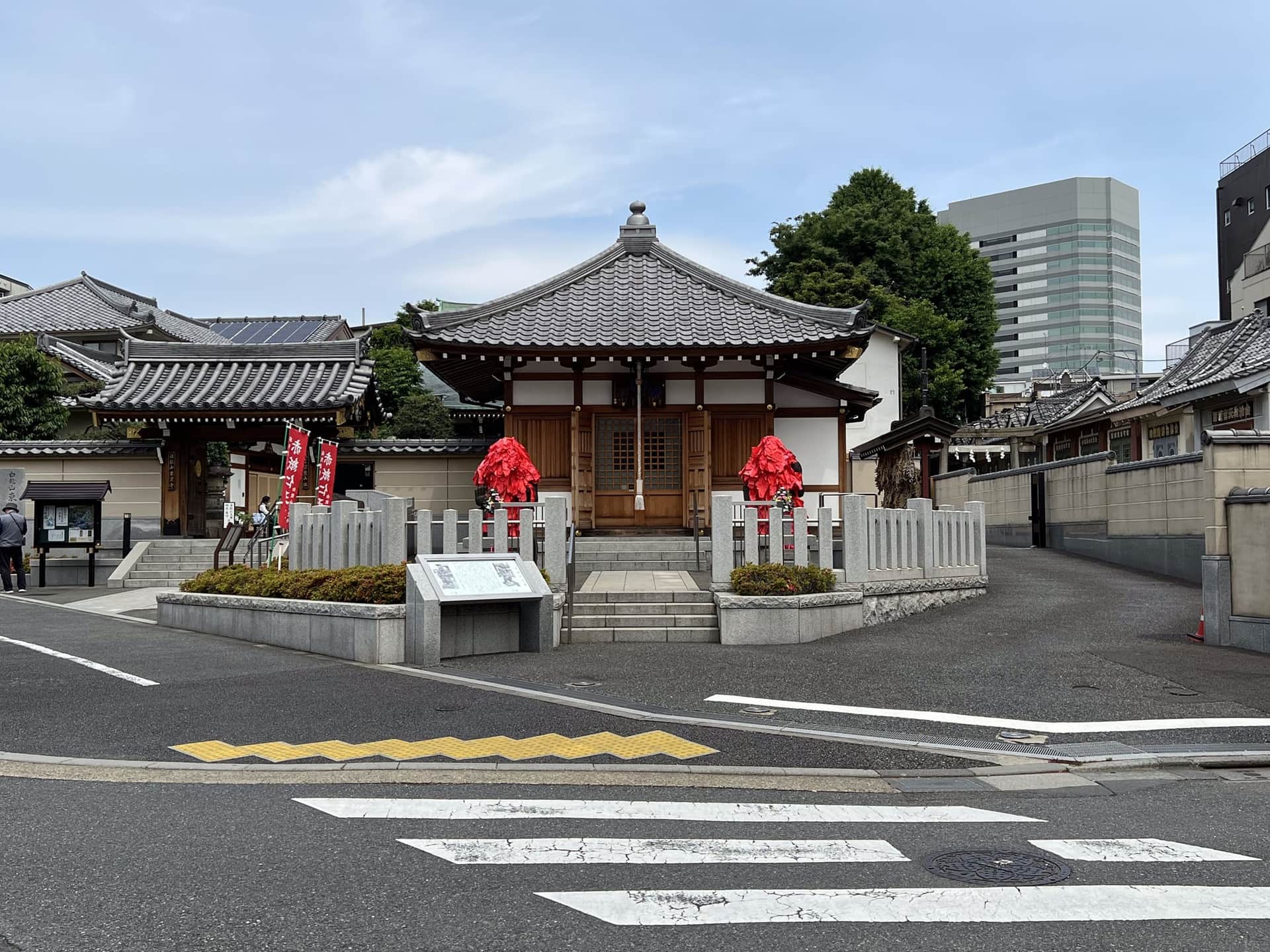
Despite being squeezed into a small plot along the railway tracks, the shrine maintains an impressive and stately worship hall that defies its compact urban setting.
This shrine offers 1 different goshuin designs
Seasonal
Facilities
Don't miss the Itsukushima Shrine located on the left side of the main hall after you finish at the main worship hall. This subsidiary shrine is worth a separate visit within the grounds.
Written goshuin (shrine stamps) are available rather than hand-calligraphed ones, and they feature colorful and attractive designs that visitors have praised. Be sure to bring your goshuin book or purchase one if you collect these.
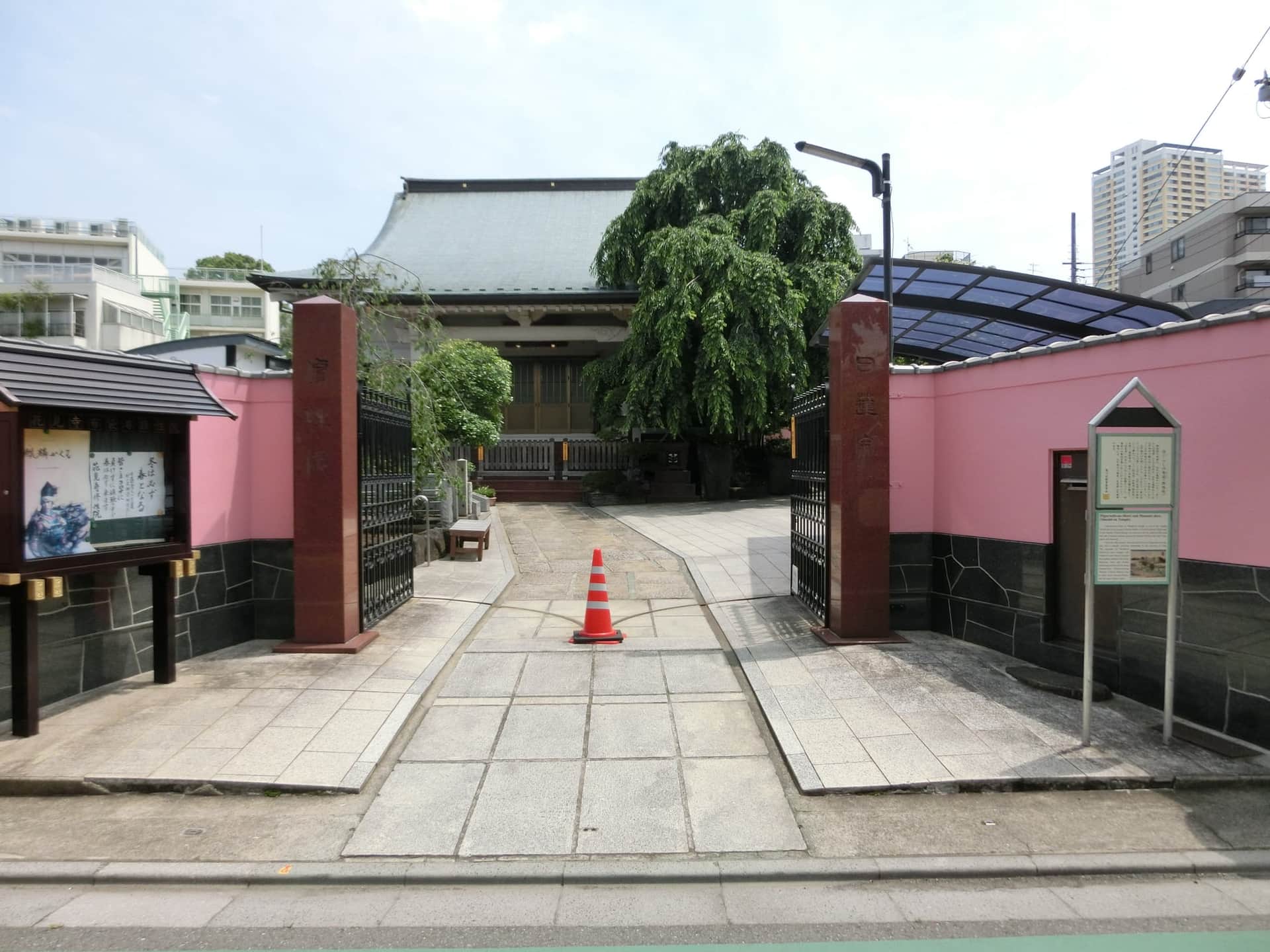
The shrine shares its location with Dairinji Temple, which is located behind the shrine grounds. If you're interested in both Shinto and Buddhist sites, you can visit both during the same trip as they are immediately adjacent to each other.
The shrine is located directly in front of Miyanomae Station on the Toden Arakawa Line (Tokyo Sakura Tram), making it extremely accessible by streetcar. If coming from JR Tabata Station on the Yamanote Line, expect about a 20-minute walk.
Visit on weekdays during daytime hours to experience the shrine's peaceful atmosphere, when you'll likely see local residents making their regular visits to this community-rooted shrine.
The divine spirits venerated at this sacred place

Visit Duration
15-30 minutes
More ways to continue from this place.
Also called Ogu Hachiman
Arakawa, Tokyo Prefecture
Within 300 m Within 600 m
Timetable data: Public Transportation Open Data Center
Renting needs the operator's app and a Japanese phone number. docomo day passes are sold at convenience stores. Data sources
What this place is believed to grant
0 recent posts
Share how your visit was to help other travelers.
No public community posts yet.