God of war and martial valor
Hachiman is one of the most widely venerated deities in Japan, governing archery, war, and martial fortune. He is regarded in Shinto as the divine spirit of the semi-legendary Emperor Ōjin, also known by the name Hondawake, and his title "Kami of Eight Banners" refers to the heavenly banners said to have heralded the emperor's divine birth. Early records in the Shoku Nihongi place his worship as far back as 794 CE, when offerings were made to his shrines during conflict with the Korean kingdom of Silla.
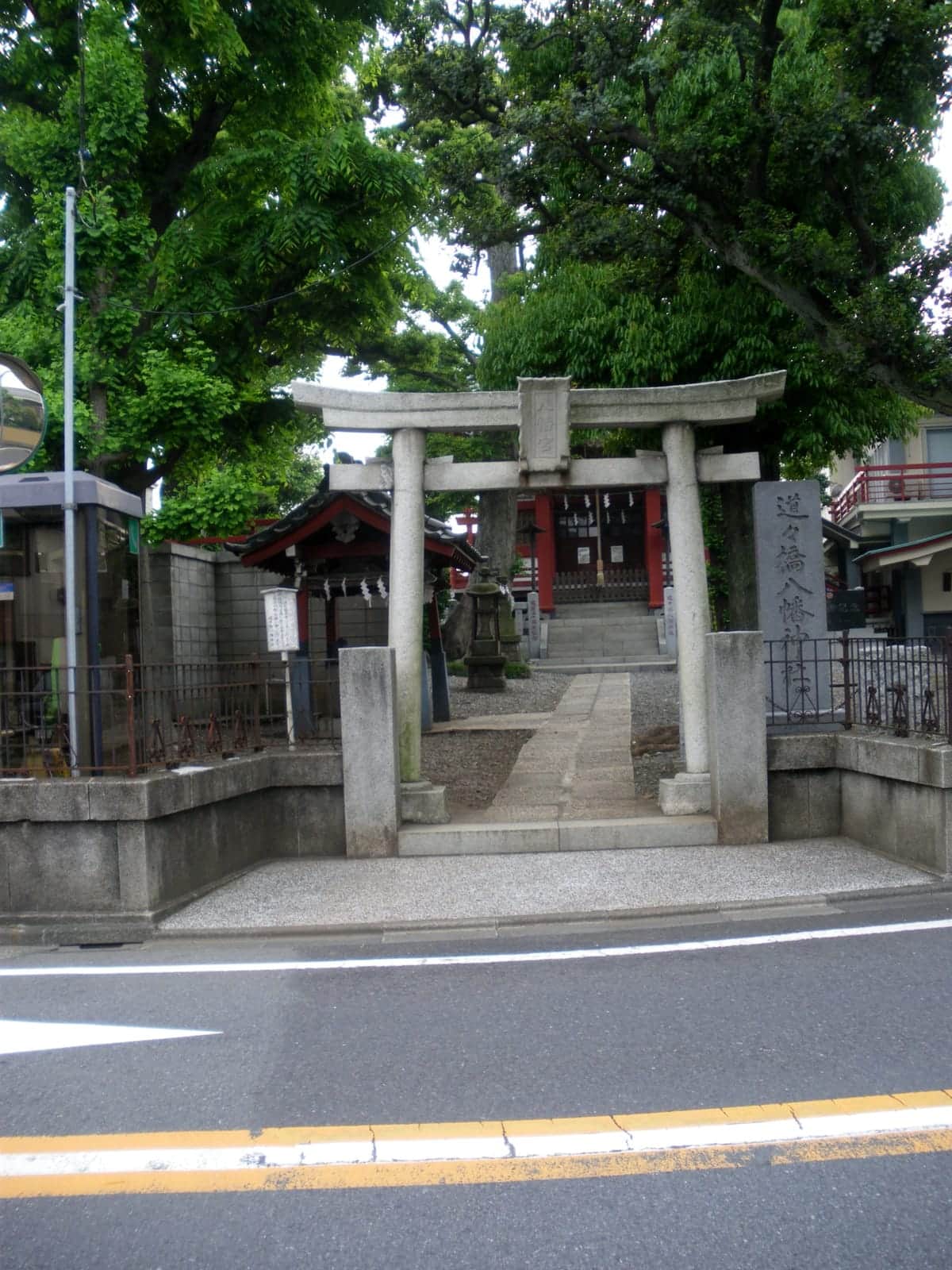
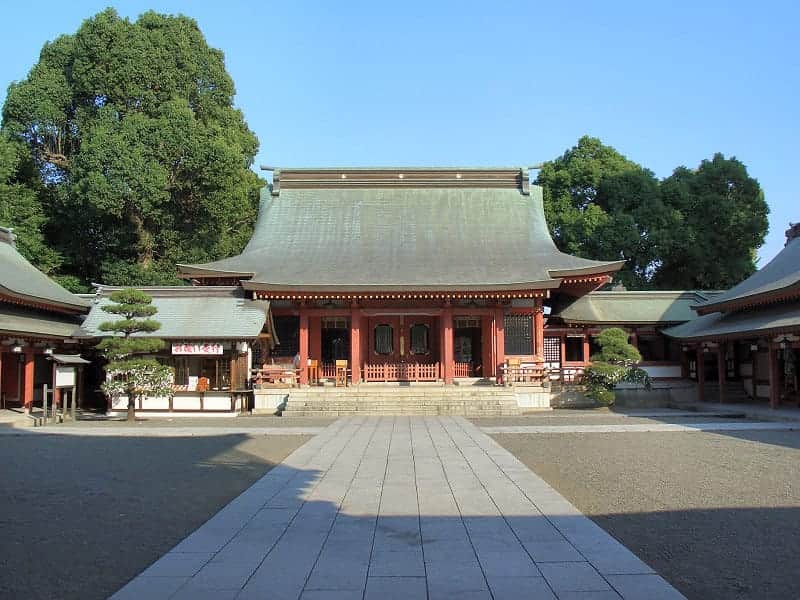
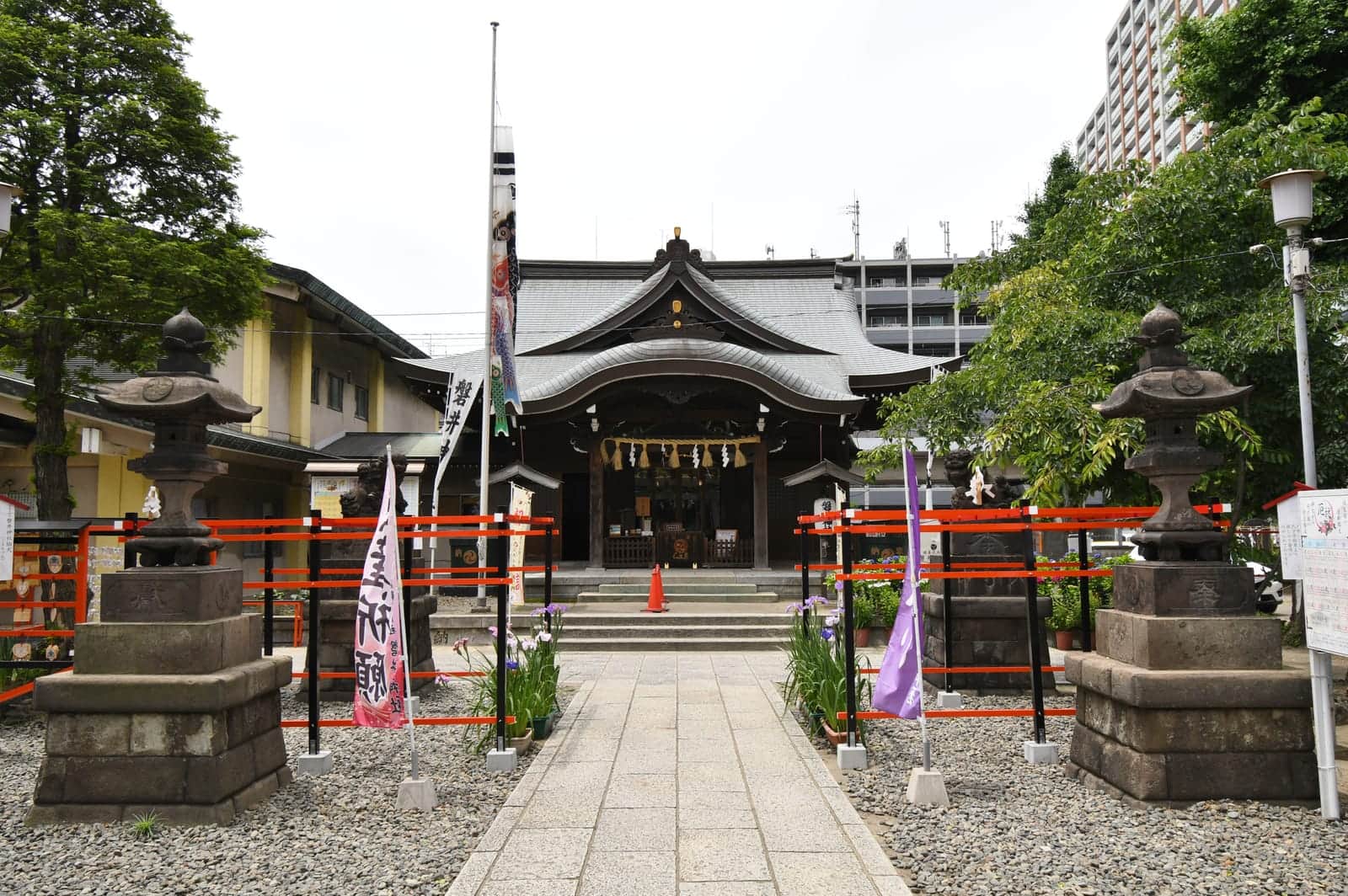
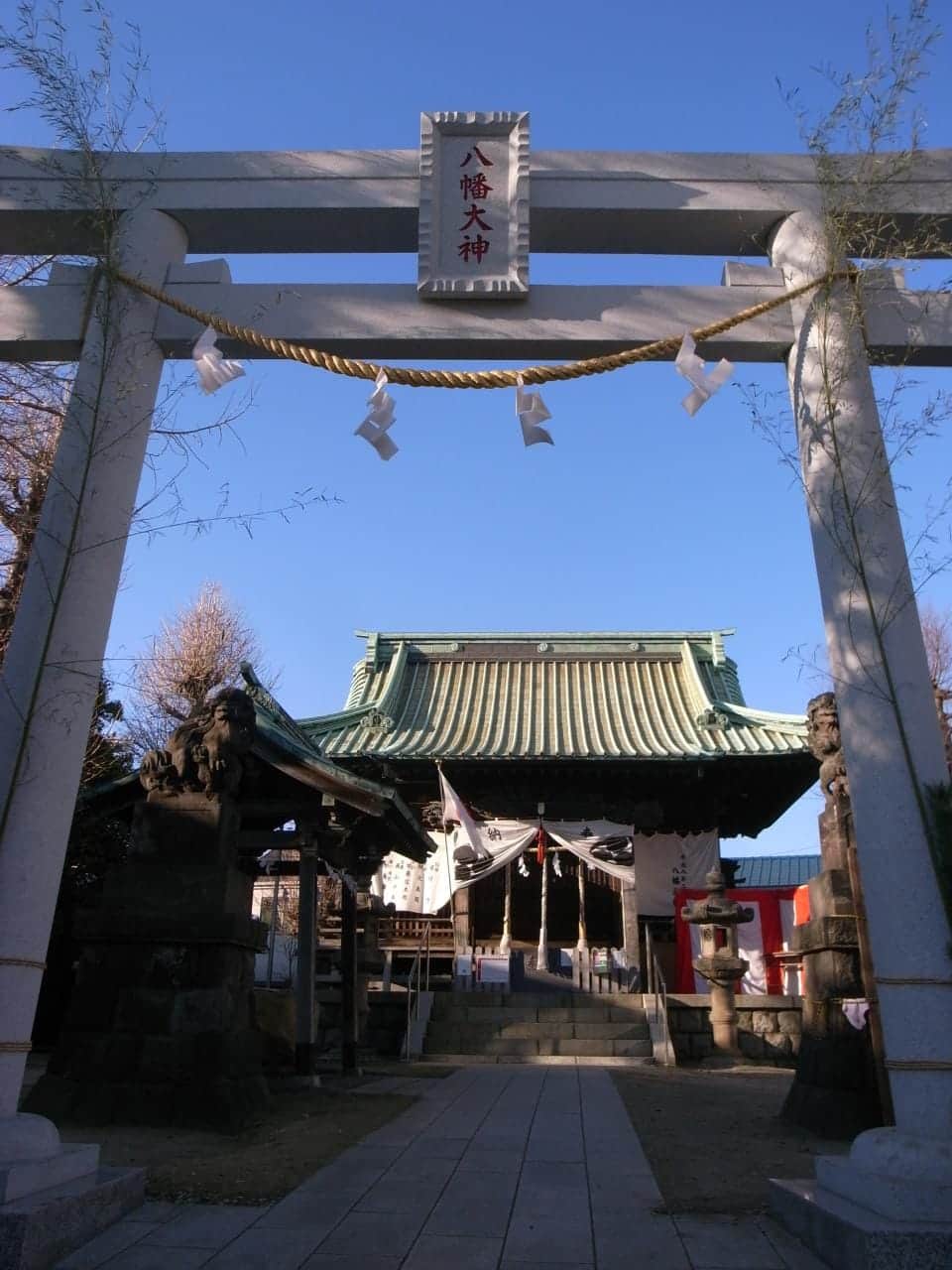
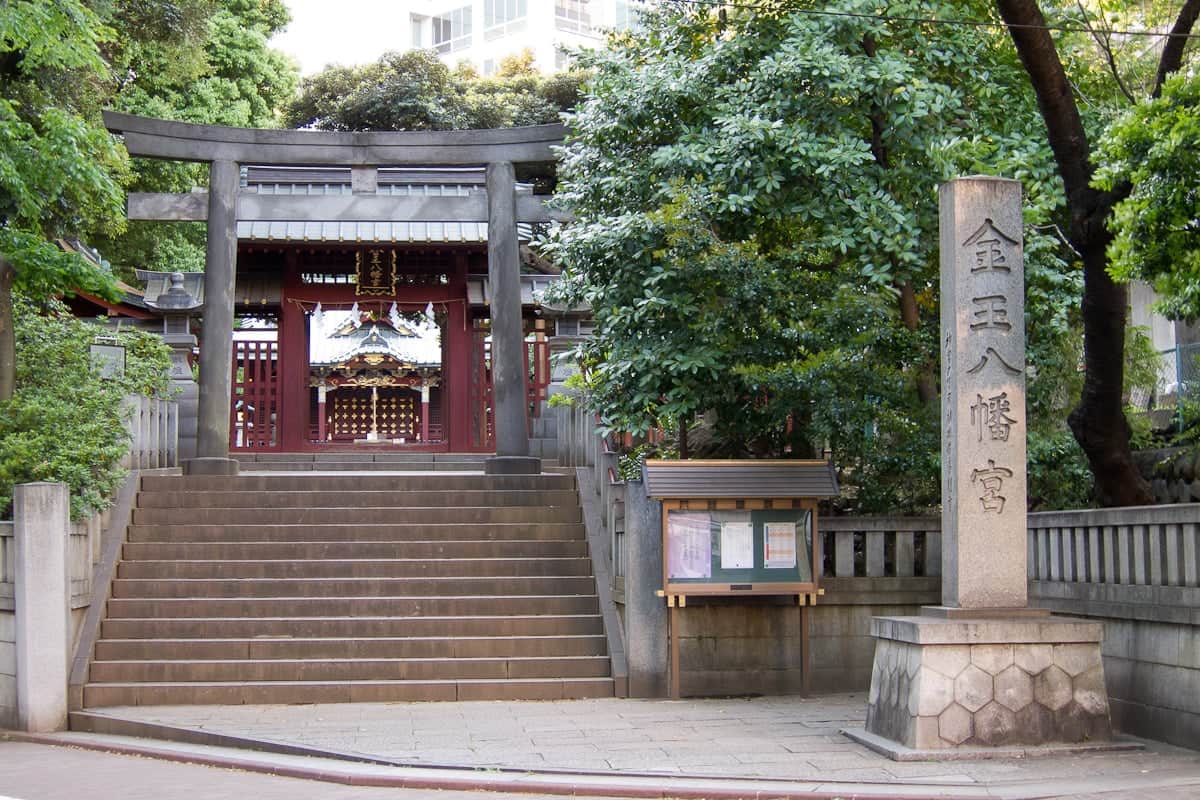
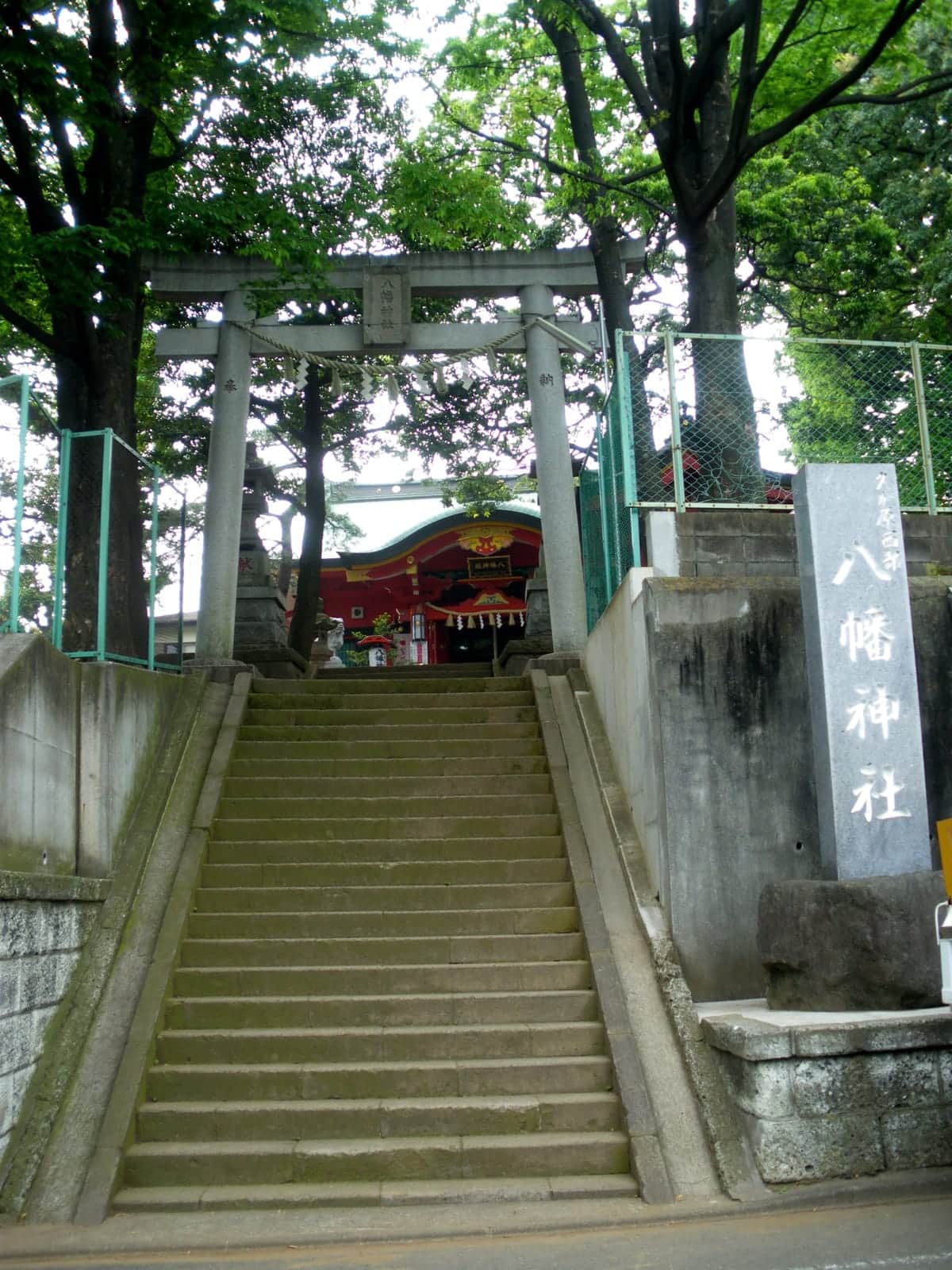
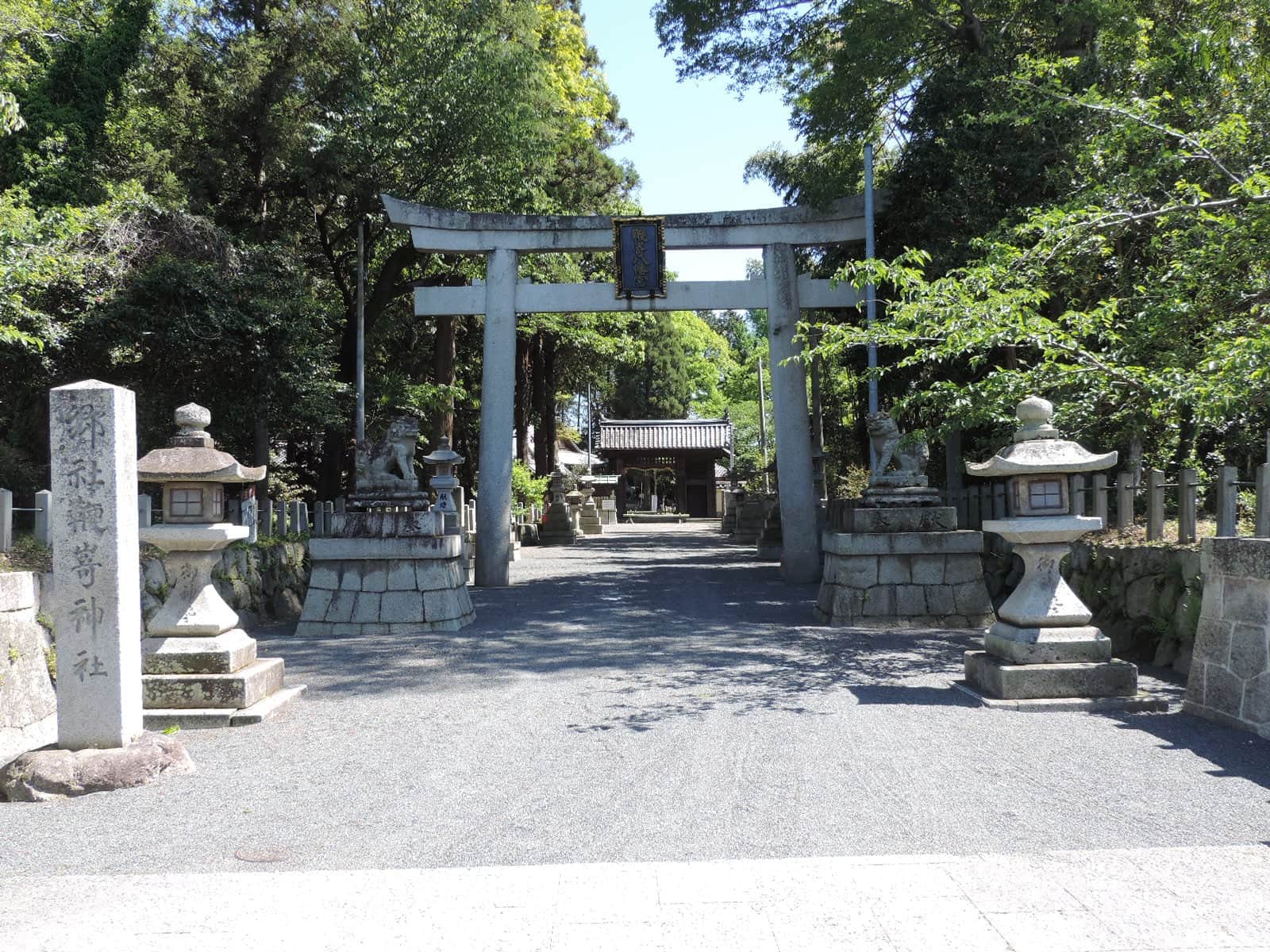
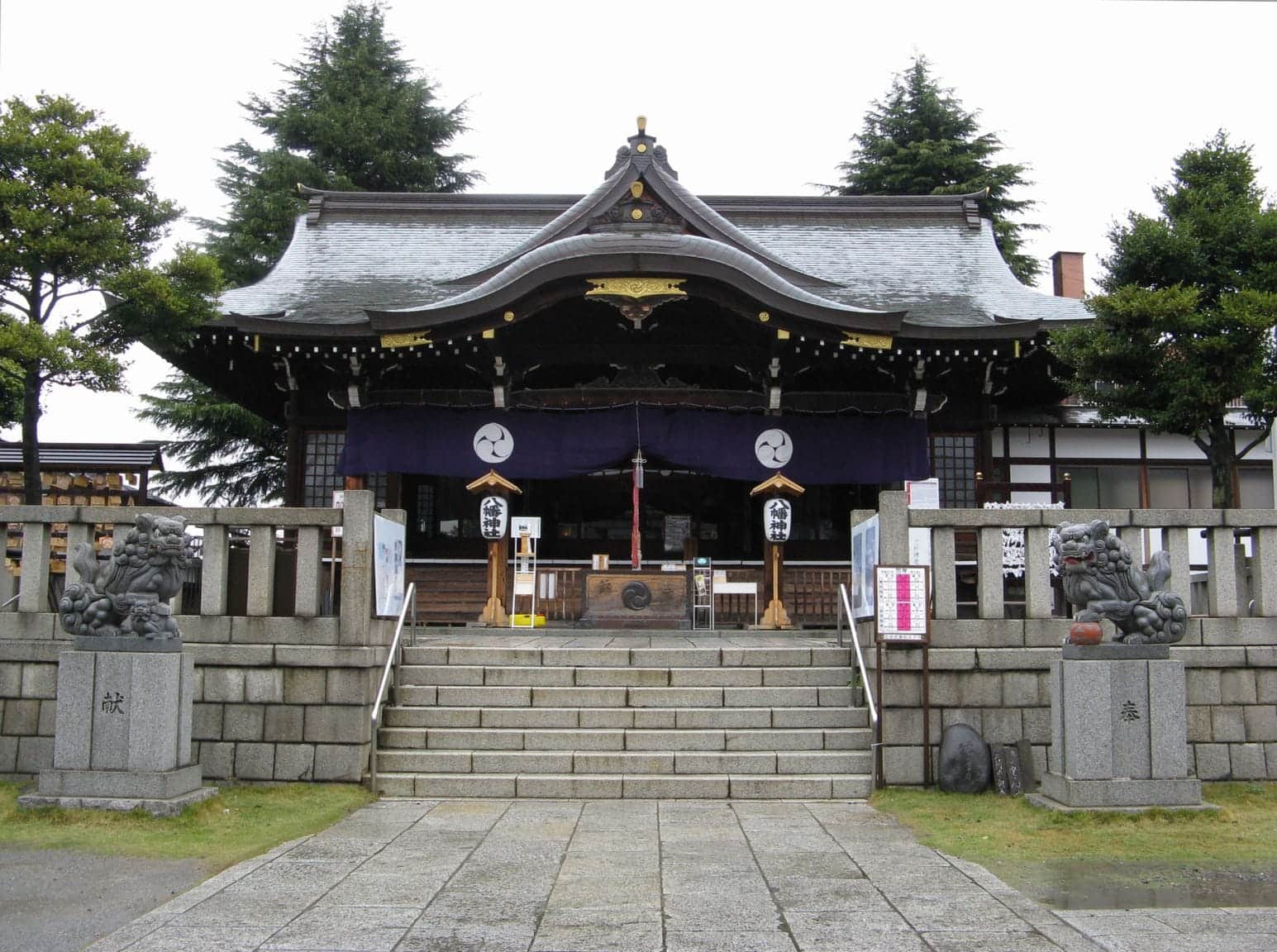
Hachiman holds a unique place in Japanese religious history as a prominent example of syncretism between Shinto and Buddhism, being venerated under the Buddhist title Hachiman Daibosatsu, or Great Bodhisattva Hachiman. During the age of the samurai, powerful clans such as the Seiwa Genji and Kanmu Heishi adopted him as their patron, spreading his worship across the warrior class throughout Japan. He is enshrined as the principal deity at Hachiman shrines nationwide, most notably at Usa Jingu in Kyushu and Tsurugaoka Hachimangu in Kamakura.
Beyond his martial roles, Hachiman is also revered as a divine protector of Japan, the Japanese people, and the Imperial House. His messenger is the dove, a symbol associated with the bow and arrow of the samurai tradition. He is sometimes referred to as Yumiya Hachiman, meaning "Hachiman of the Bow and Arrow," reflecting his deep connection to the martial arts of archery and warfare.
20 places