Deified Emperor and God of War
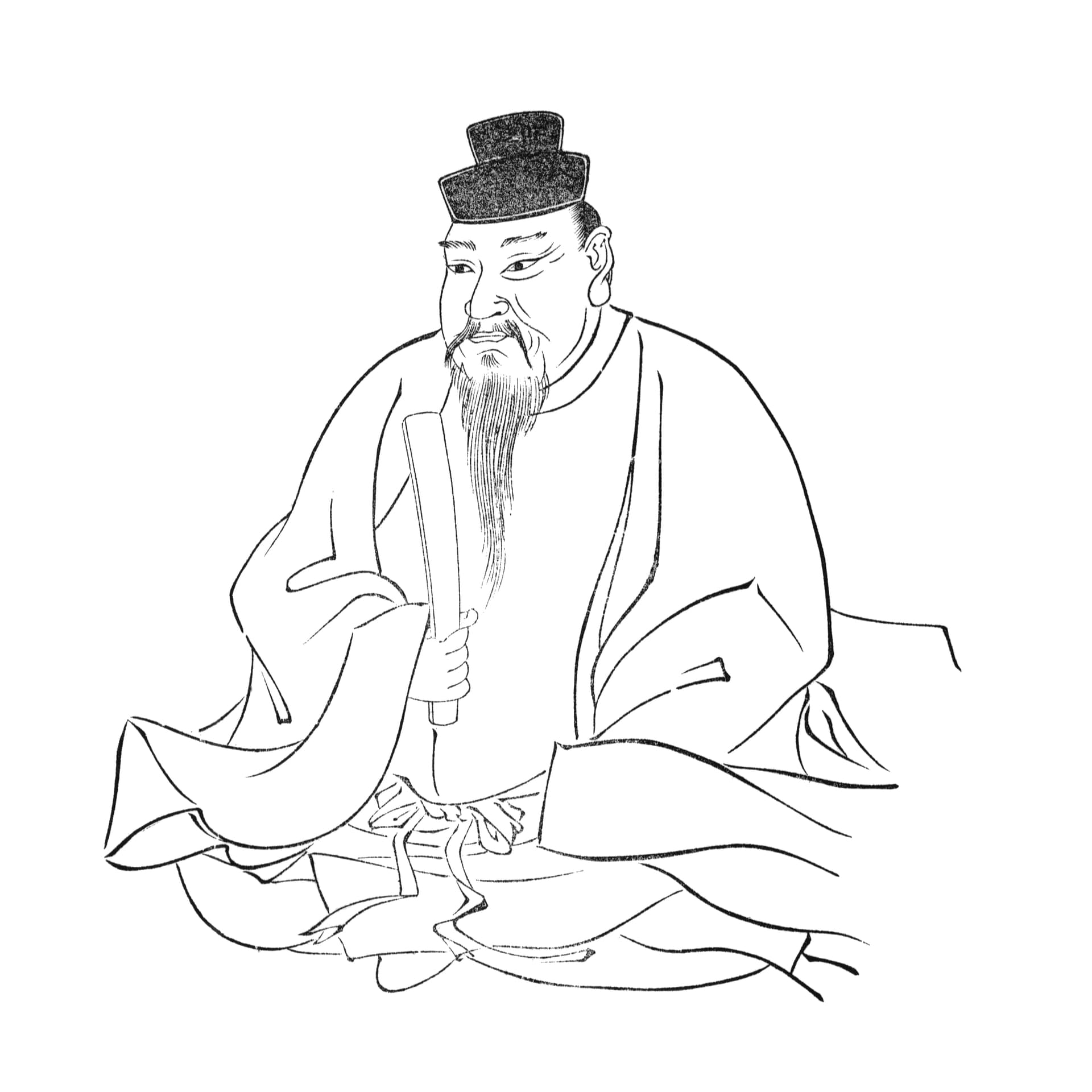
Emperor Ōjin is regarded as the fifteenth Emperor of Japan and a figure of considerable religious importance in both Shinto and Buddhism. Though no firm dates can be confirmed for his life or reign, he is traditionally held to have ruled from 270 to 310 CE, and historians generally place any historical basis for his reign in the late fourth to early fifth century. He is particularly noted as the controversial son of Empress Jingū.
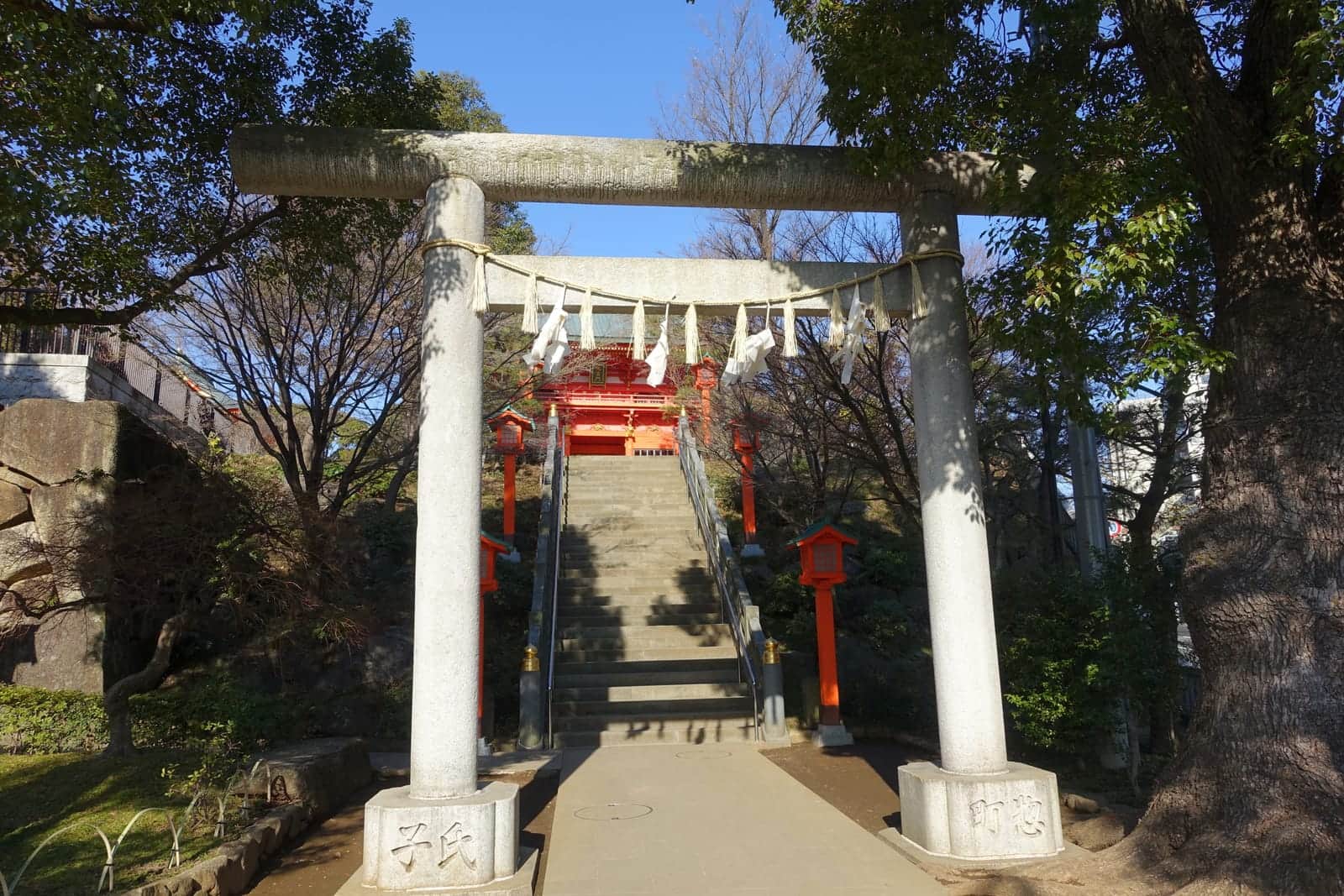
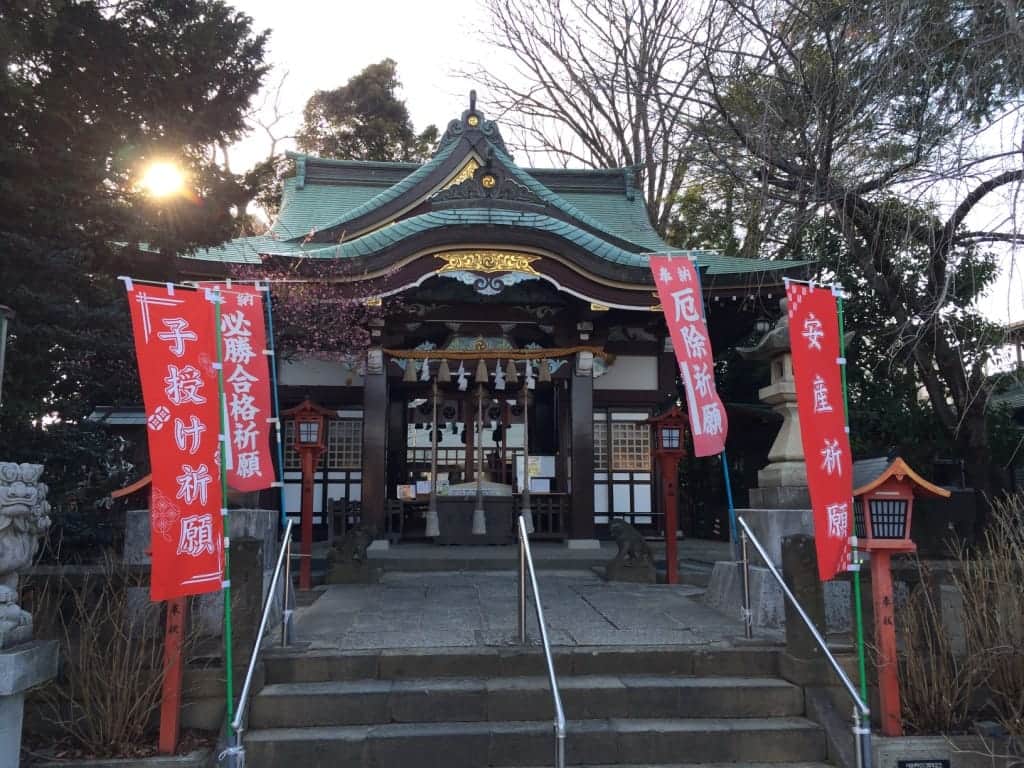
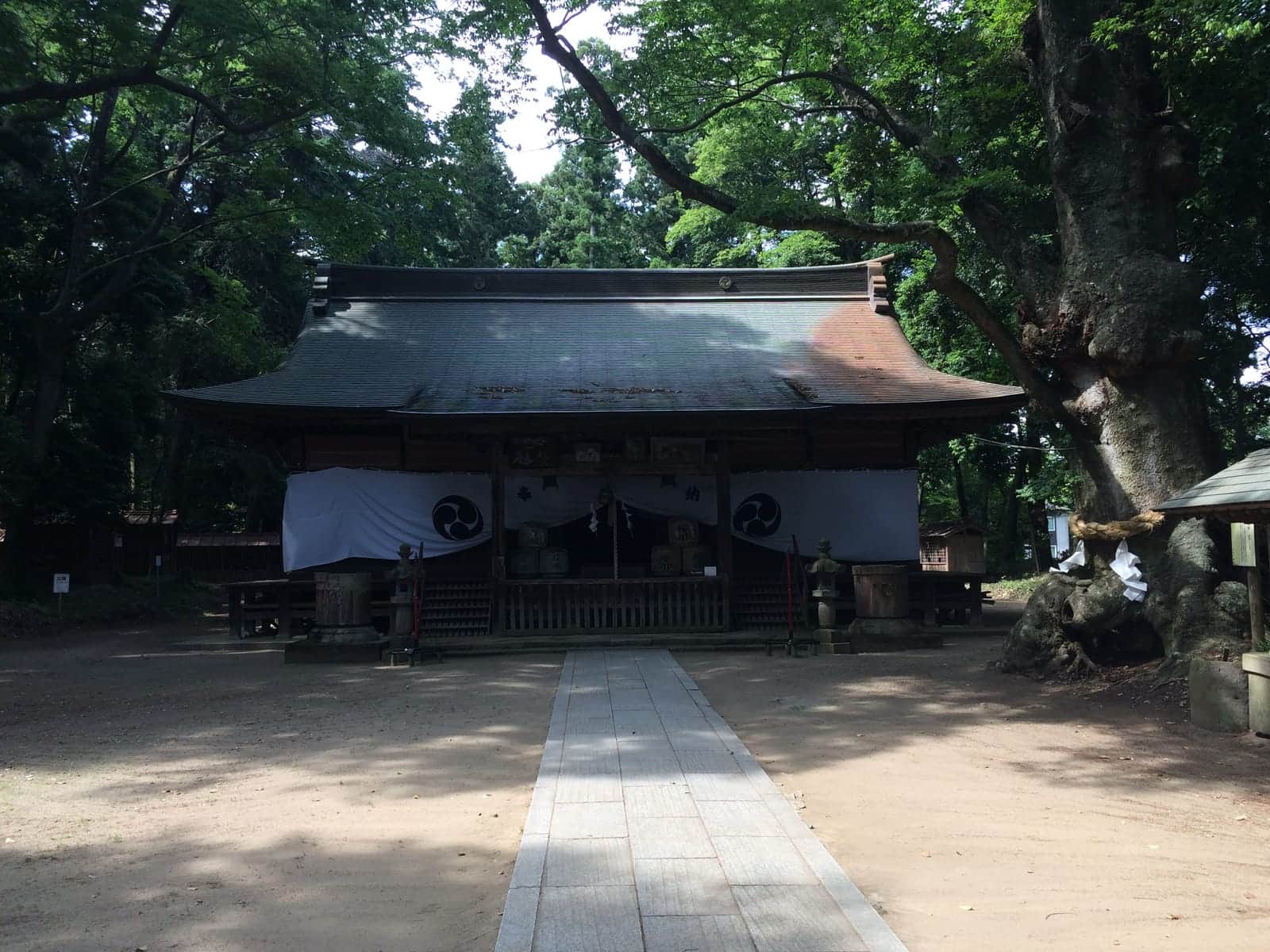
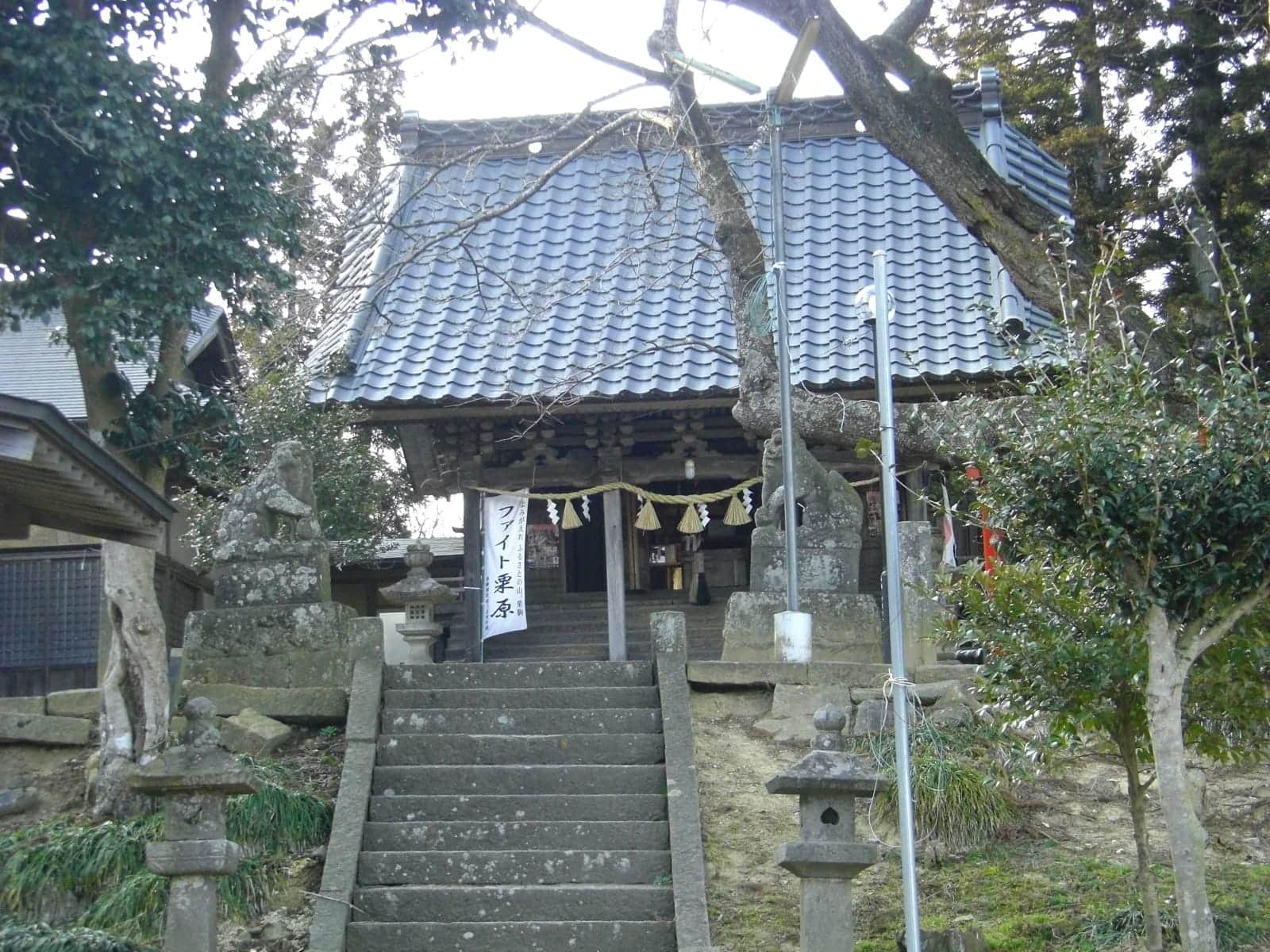
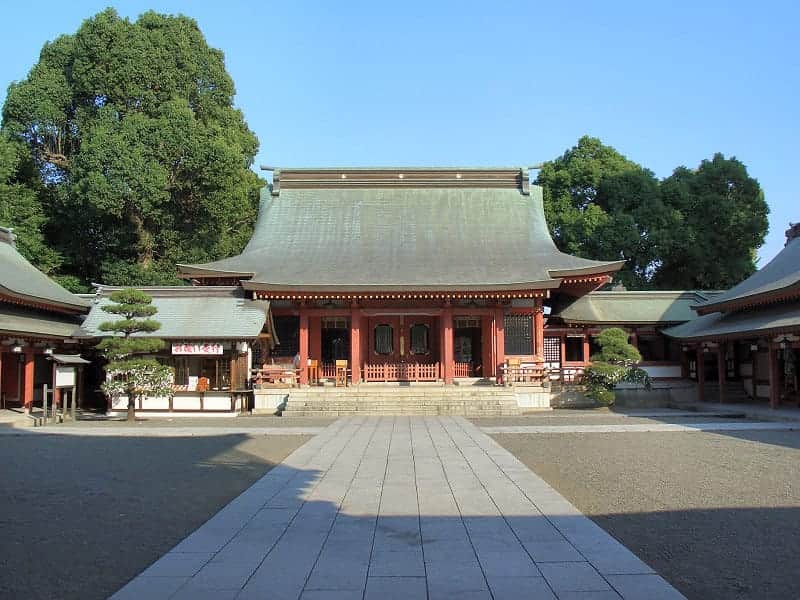
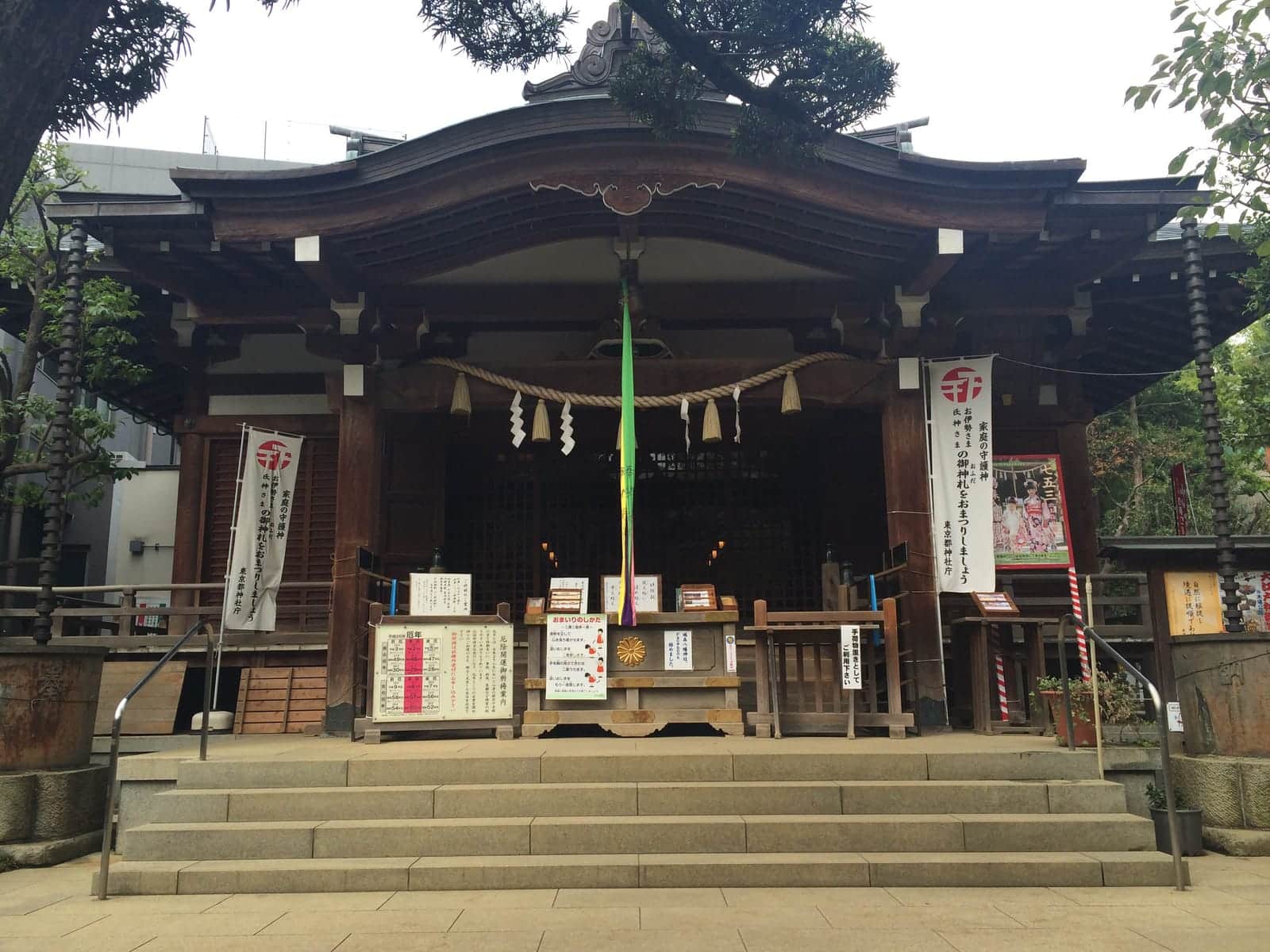
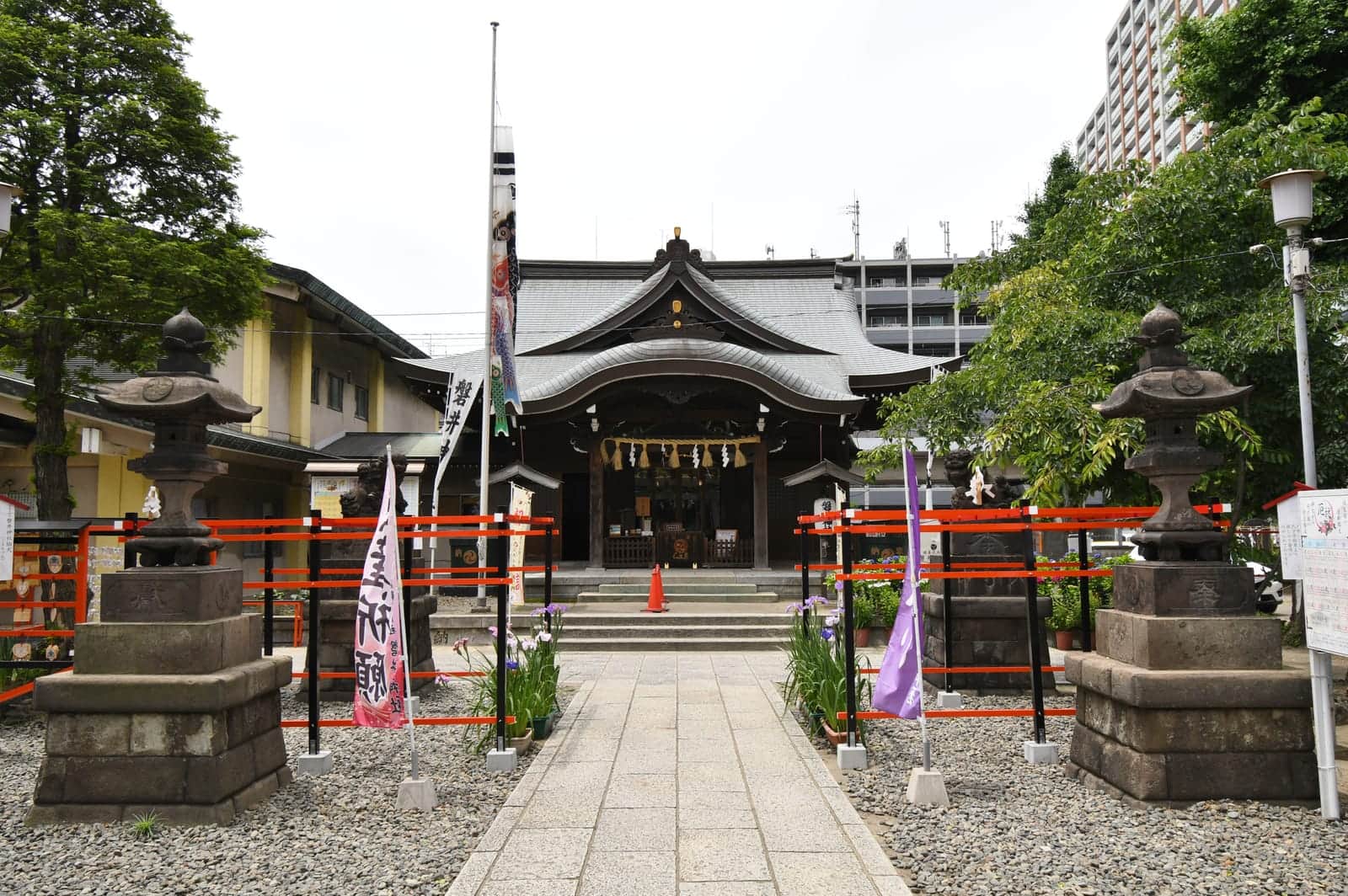
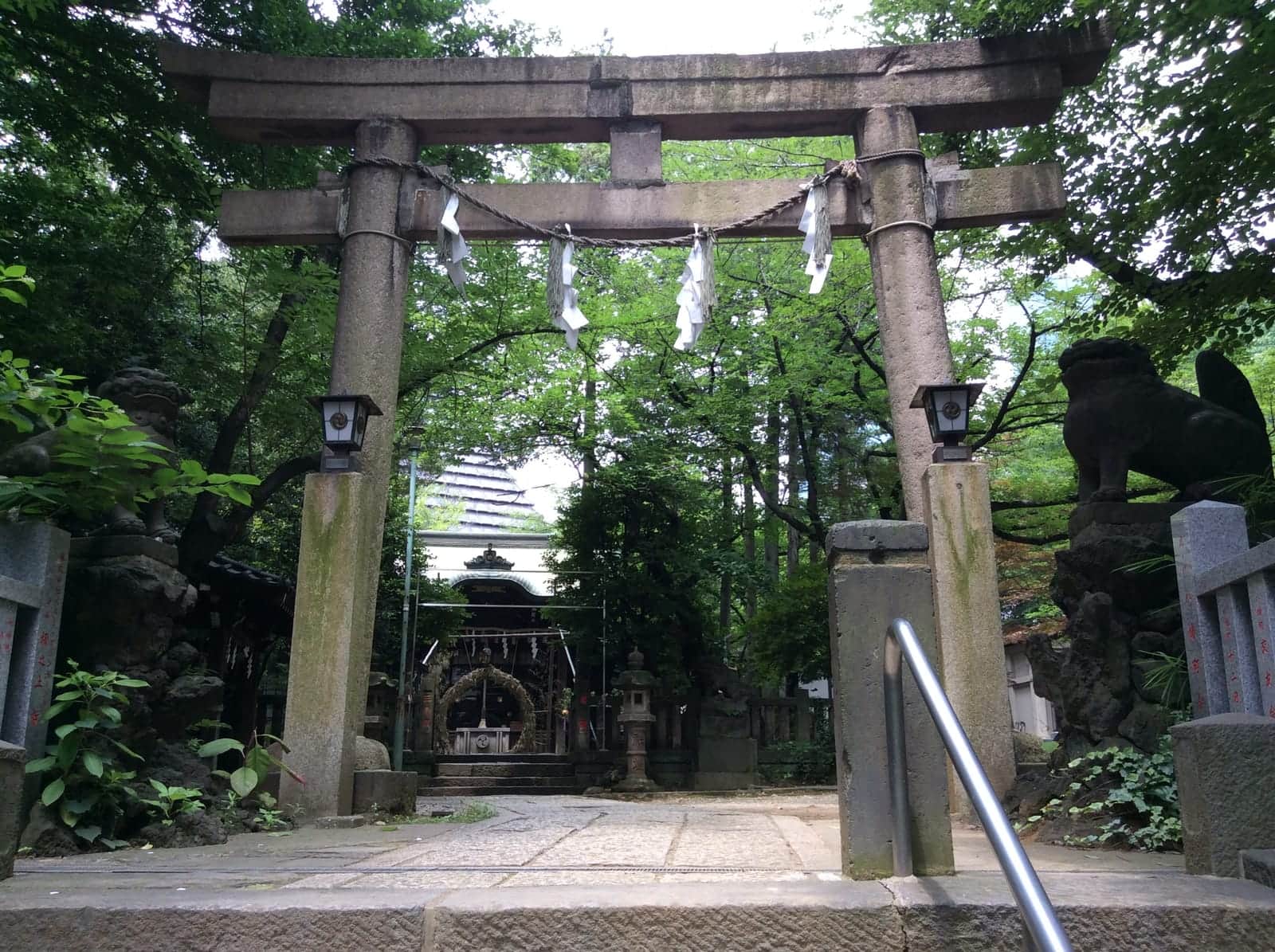
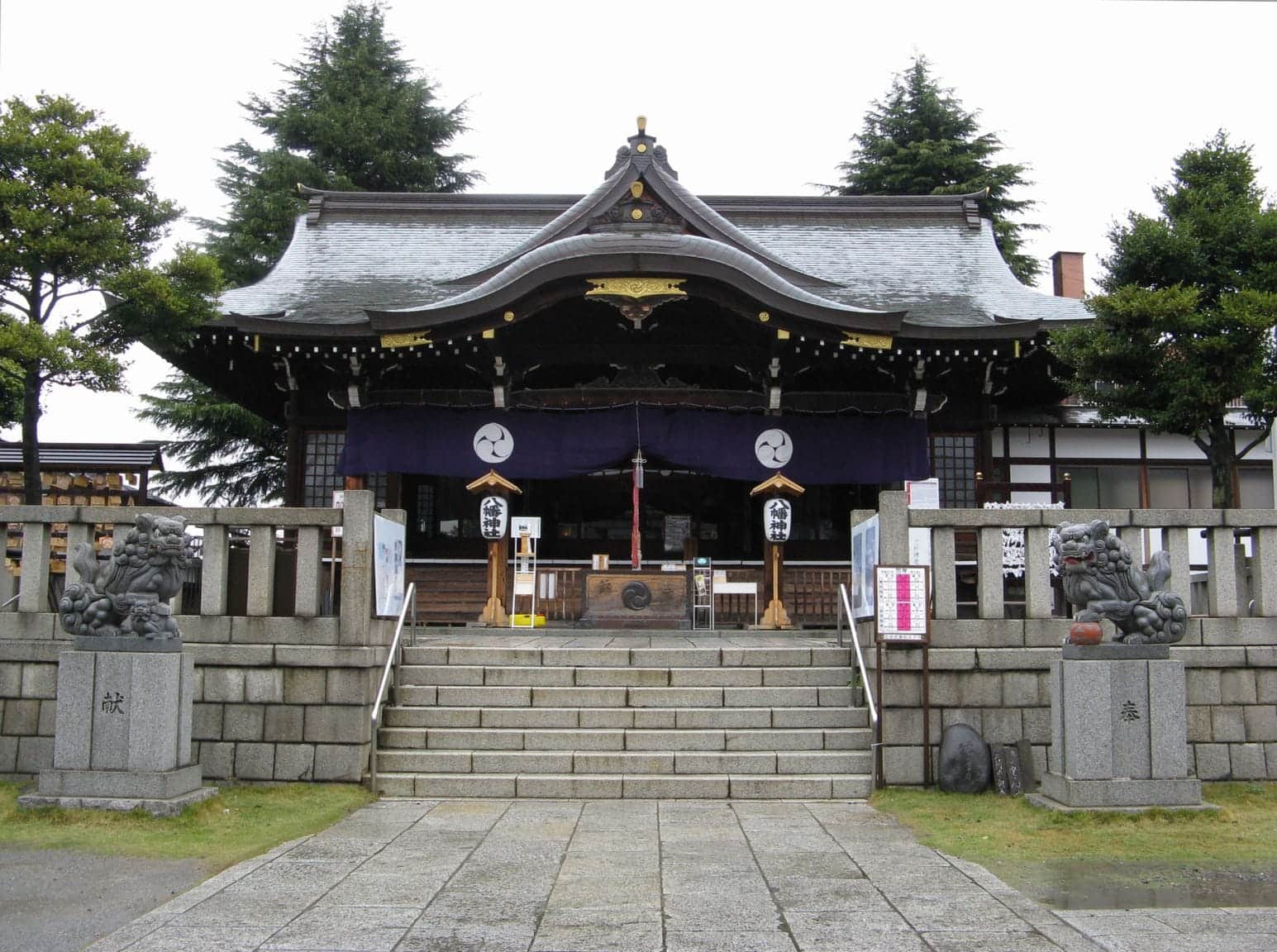
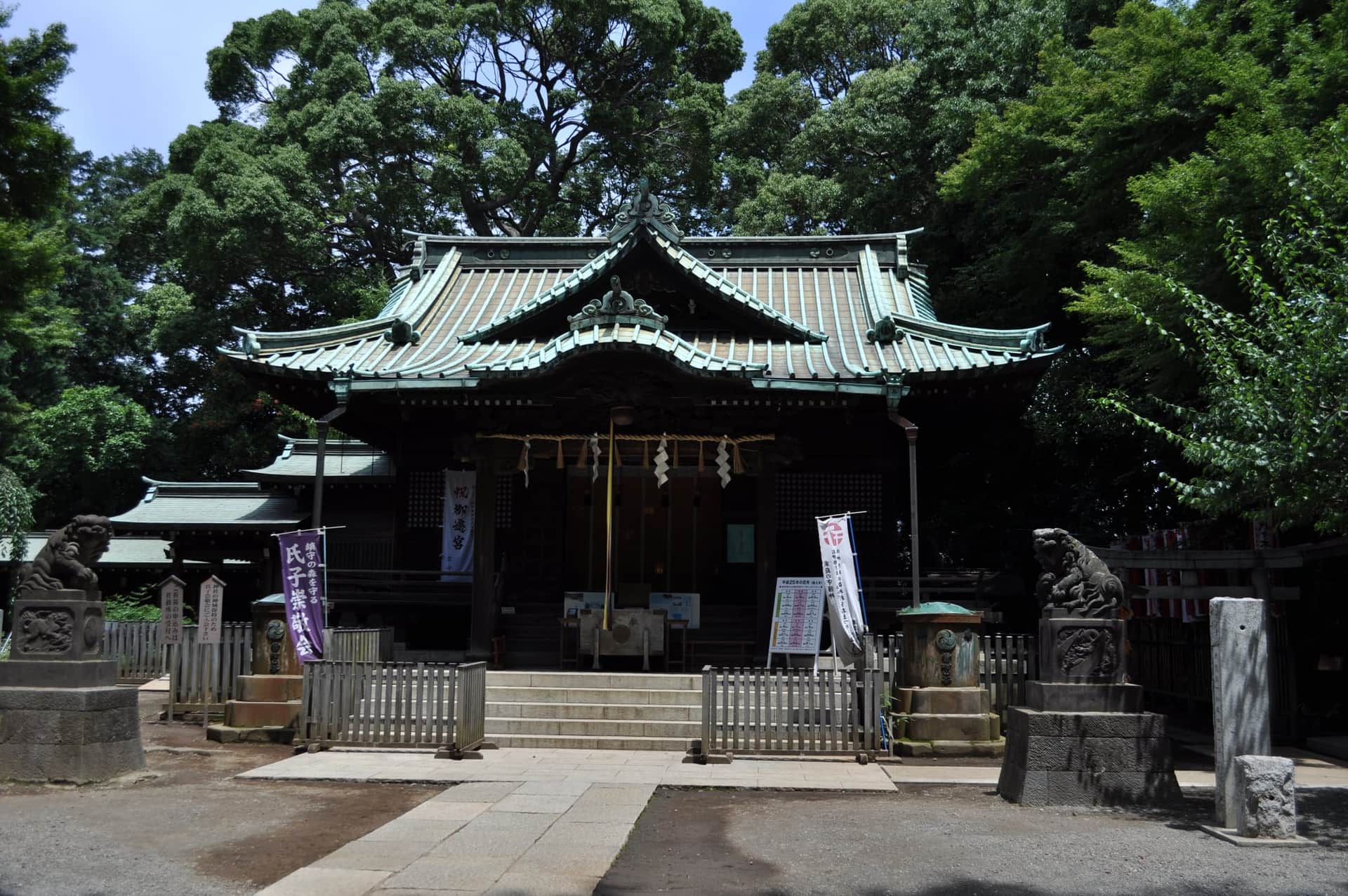
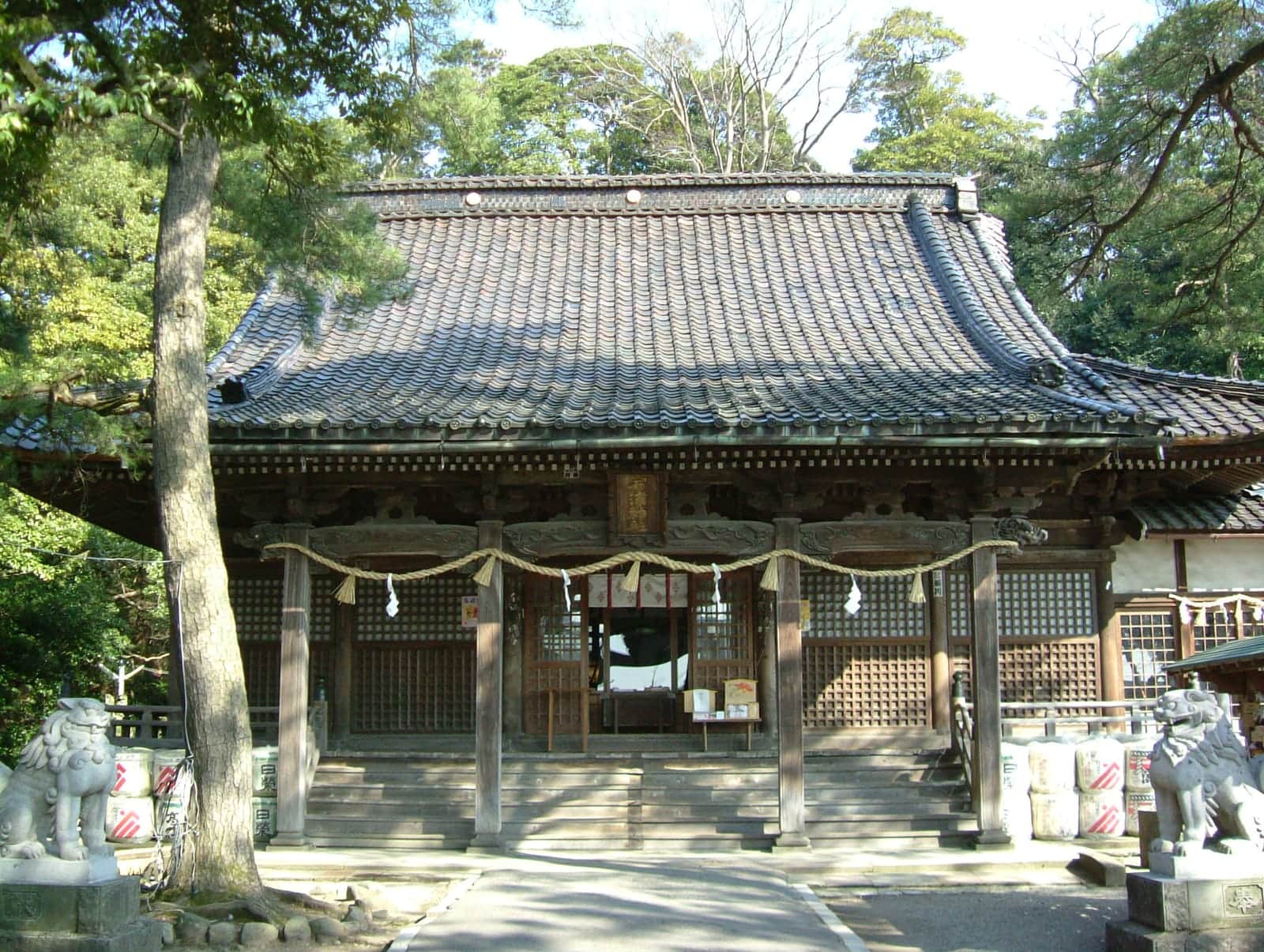
In Shinto belief, Emperor Ōjin is venerated as the divine manifestation of Hachiman, the god of war and protector of warriors, and is enshrined at numerous Hachiman shrines throughout Japan. His association with Hachiman became especially prominent from the medieval period onward, when he was widely revered as a martial deity. He is also said to have promoted the development of the state through the use of knowledge and skills brought by continental immigrants.
The historical existence of Ōjin remains a matter of scholarly debate, and the title of Emperor along with the name Ōjin are thought by modern historians to have been applied retrospectively by later generations. Both the Kojiki and the Nihon Shoki record events attributed to his reign, making him one of the earliest emperors documented in Japan's foundational chronicles.
17 places