Arrive when the castle opens at 8:45 AM to experience the famous nightingale floors in the Ninomaru Palace with fewer crowds, as these security floors squeak when stepped upon and the effect is best appreciated in a quieter environment.
At a Glance
The palace floors were designed to chirp like nightingales when walked upon, a security system that made it impossible for intruders to sneak through the corridors undetected.
After the shogunate fell, workers removed every Tokugawa hollyhock family crest from the palace and replaced them with imperial chrysanthemums to erase the shogun's presence.
This temple offers 2 different goshuin designs
Same as opening hours
Regular
Regular
Facilities
Arrive when the castle opens at 8:45 AM to experience the famous nightingale floors in the Ninomaru Palace with fewer crowds, as these security floors squeak when stepped upon and the effect is best appreciated in a quieter environment.
Be aware that the Ninomaru Palace is closed every Tuesday in January, July, August, and December, while the Honmaru Palace closes on the third Monday of every month and the following day, so plan your visit accordingly to see both palace interiors.
Visit during cherry blossom or plum blossom season to see the castle's dedicated groves of these trees in bloom, as the extensive grounds include special areas planted with both varieties that enhance the historical atmosphere.
Walk slowly and listen as you cross the nightingale floors; the chirping sound is one of Nijō Castle's signature features.
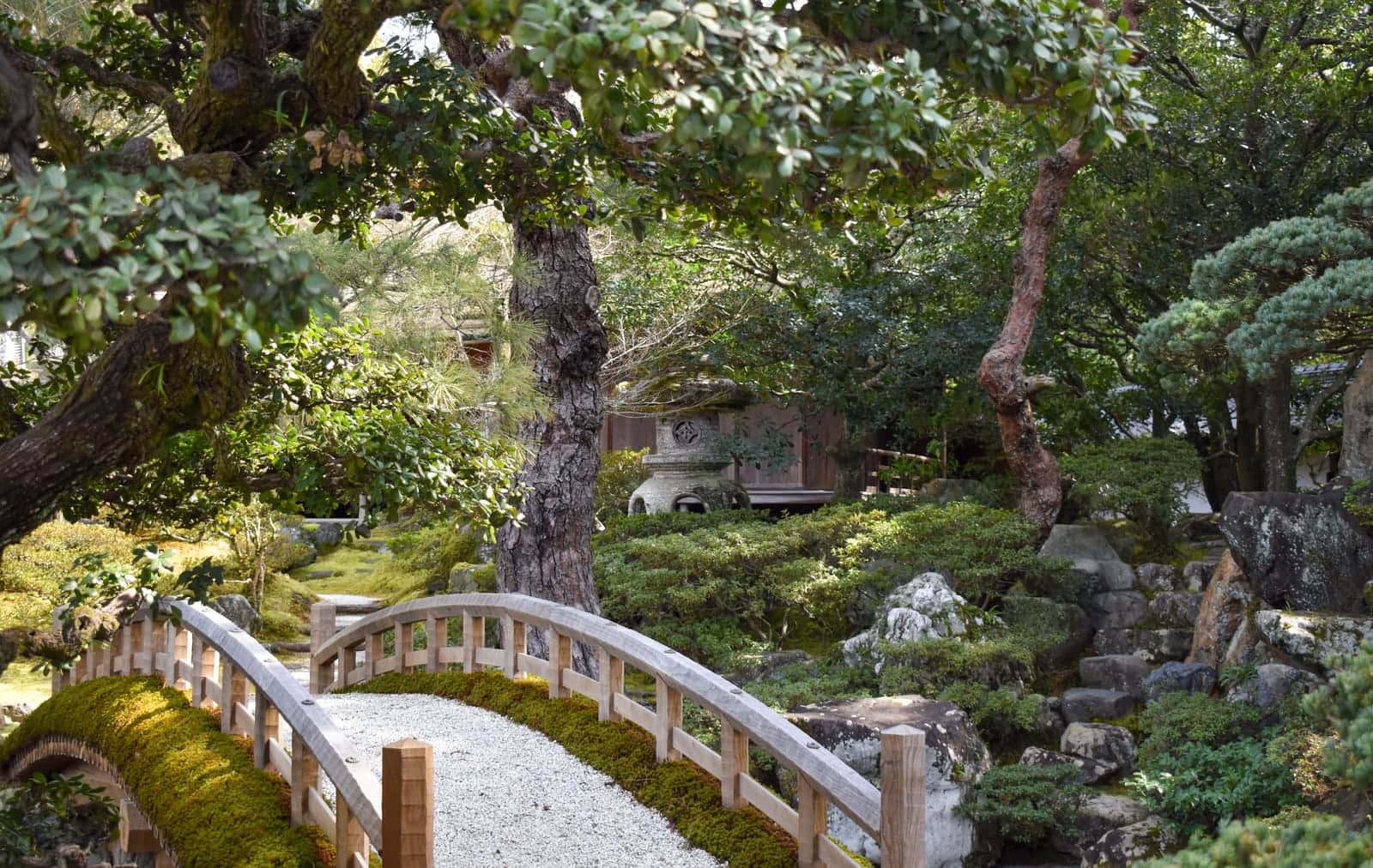
Allow time to explore both the palace buildings and gardens, since both are specifically highlighted as preserved attractions.
Not confirmed
More ways to continue from this place.
Within 300 m Within 600 m
Renting needs the operator's app and a Japanese phone number. docomo day passes are sold at convenience stores. Data sources
Nakagyo, Kyoto Prefecture
0 recent posts
Share how your visit was to help other travelers.
No public community posts yet.