Admission
- Adult (18+)Free
Also called Hoanji Nanboh
Chuo, Osaka Prefecture
At a Glance
Legend says Prince Shōtoku founded this temple during the Suiko Period (593-628), making it over 1,400 years old and one of Osaka's most ancient religious sites.
The temple's name literally means 'temple of a bill,' originating from an ancient law that made spreading Buddhism mandatory—monks believed they couldn't achieve spiritual awakening without fulfilling this obligation.
The temple's Benzaiten statue, known locally as 'Shoten-san in Nippombashi,' is believed to grant wishes for improved musical skills when worshippers pray to her with offerings.
This temple offers 1 different goshuin designs
Regular
Typical Crowds
Peaceful
Visit Duration
Quick (15-30 minutes)
Within 300 m Within 600 m
The special statue of Avalokiteśvara (Kannon) is only displayed for one week starting January 1st each year, so plan your visit during this period if you want to see this rare sacred image that dates back to the temple's founding in the Suiko Period.
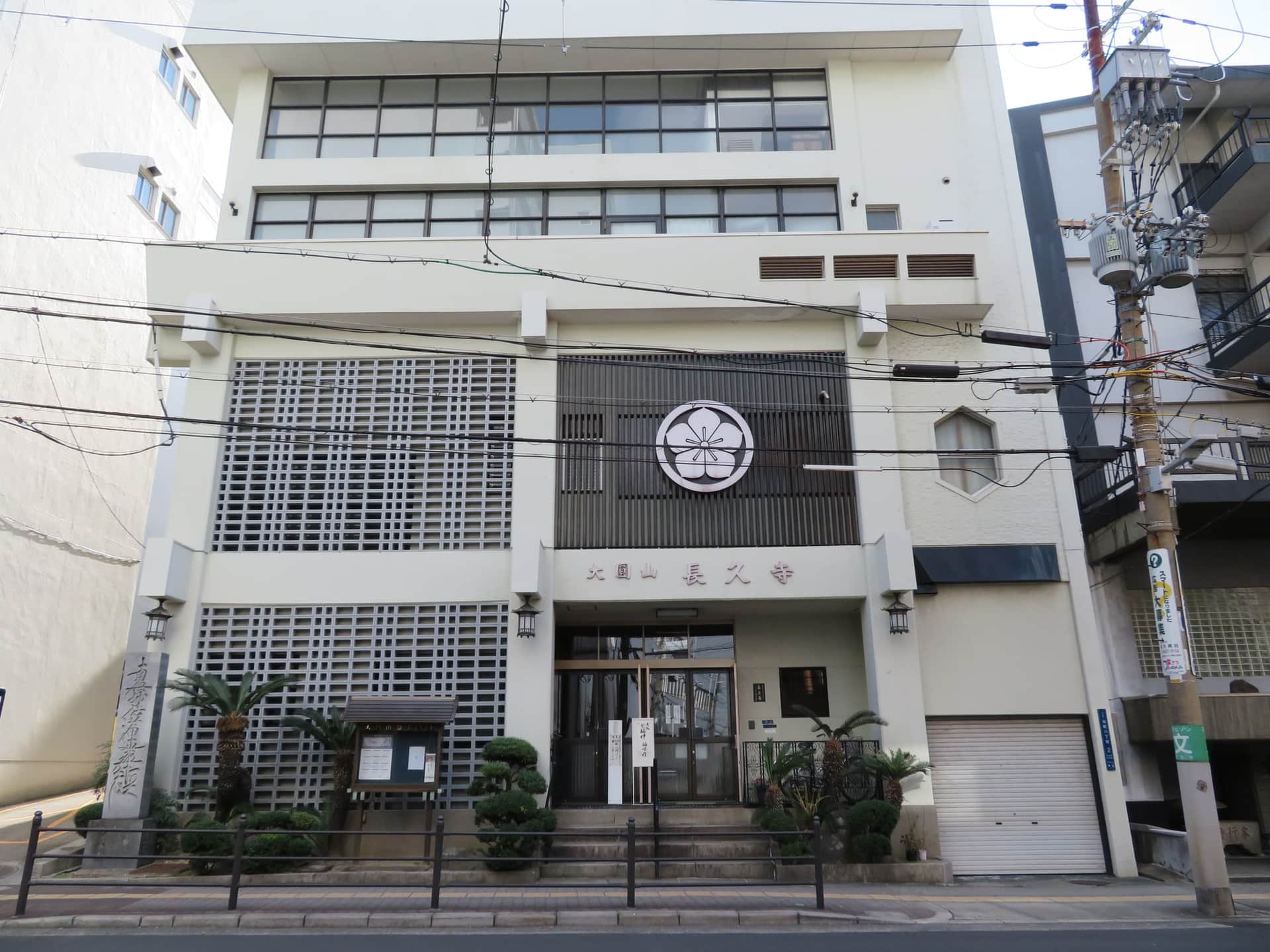
Temple entry is free. The grounds are small but packed with sights: the main sanctuary, a separate Benzaiten hall, and stone monuments. Plan 20–30 minutes to see everything.
The temple is open daily from 7:00 a.m. to 5:00 p.m. and is located just 5 minutes walk from Nippombashi Station, making it easily accessible when visiting the nearby Dotonbori Canal area or Doton Plaza shopping mall.
This temple is on the Osaka Shichi Fuku Jin (Seven Deities of Good Fortune) route, with Benzaiten, the goddess of music and arts. Visit the other six temples and shrines to complete the circuit and bring happiness.
The divine spirits venerated at this sacred place
What this place is believed to grant
1 structures on the grounds
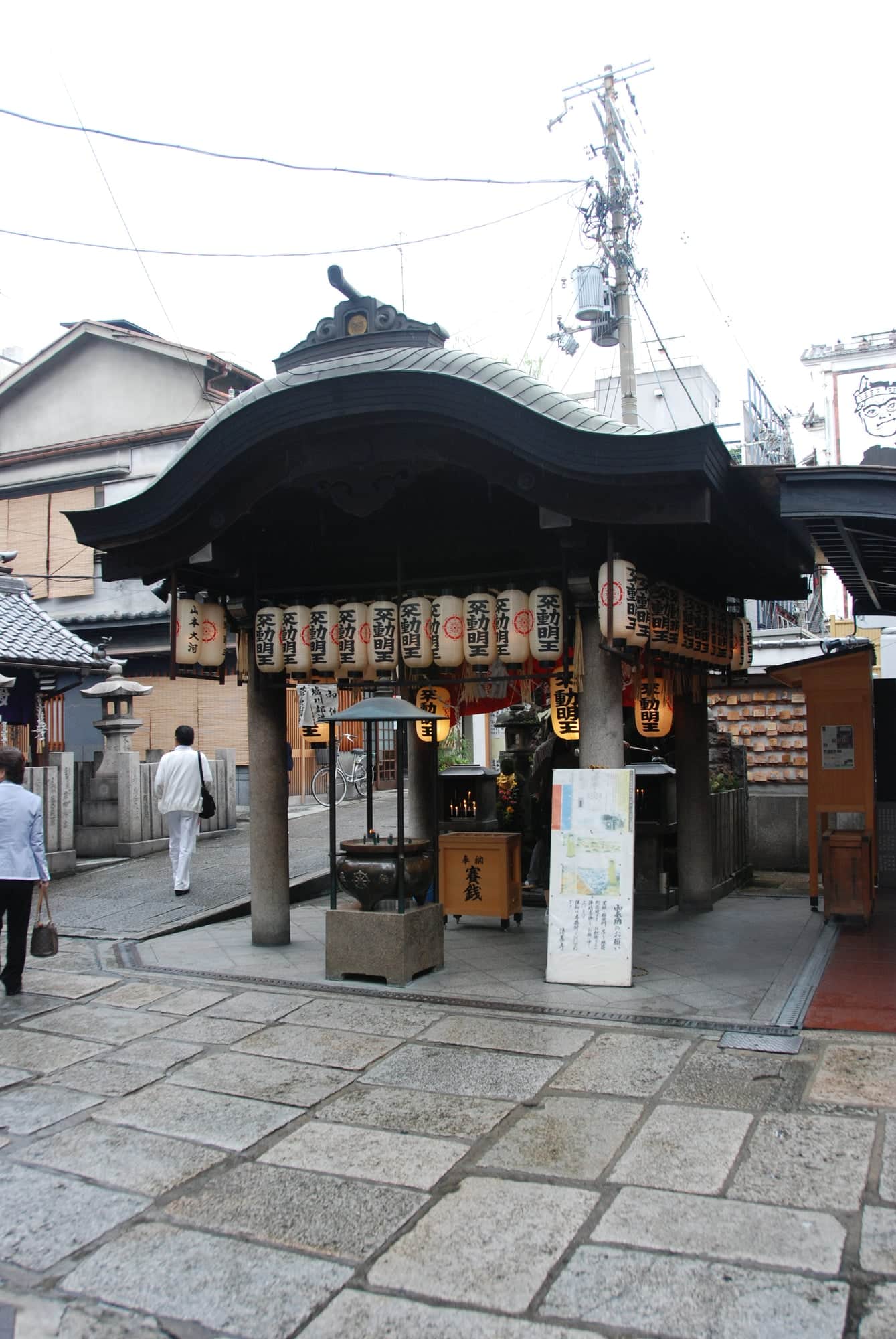
Main sanctuary where Benzaiten is worshipped
Fascinating facts about this place
Legend says Prince Shōtoku founded this temple during the Suiko Period (593-628), making it over 1,400 years old and one of Osaka's most ancient religious sites.
The temple's name literally means 'temple of a bill,' originating from an ancient law that made spreading Buddhism mandatory—monks believed they couldn't achieve spiritual awakening without fulfilling this obligation.
The temple's Benzaiten statue, known locally as 'Shoten-san in Nippombashi,' is believed to grant wishes for improved musical skills when worshippers pray to her with offerings.
Hoanji is one of seven temples in Osaka's Shichi Fuku Jin pilgrimage route—visiting all seven sites to pray to each deity of good fortune is believed to bring complete happiness to pilgrims.
Share how your visit was to help other travelers.


More ways to continue from this place.