
Omamori
Ritual objects御守 ・ Reading: おまもり
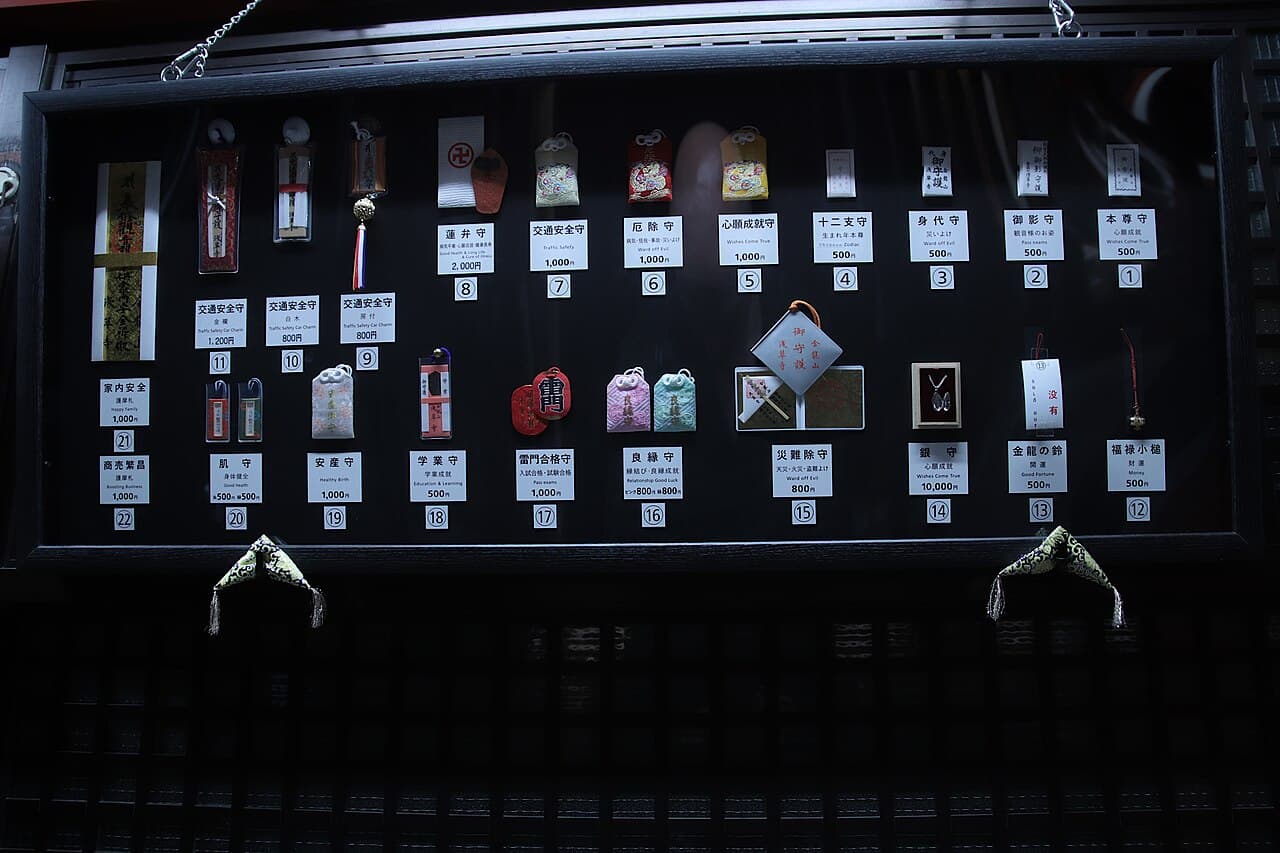
Definition
An omamori is a sacred protective item bestowed by a shrine or temple for a person or purpose and kept close rather than opened.
Sacred protection
Jinja Honcho distinguishes an omamori, kept close to a person, from an ofuda enshrined at home. Buddhist temples also bestow protective items, but their names and meanings should follow the issuing temple.
Care
Official shrine guidance says not to open a pouch-style omamori. Keep it clean and treat it as a sacred item, not a product to dismantle or display for its contents.
Renewal and return
Jinja Honcho gives annual renewal as common guidance and also allows an omamori to remain until its prayer is fulfilled. Return arrangements differ, so ask the institution that bestowed it. Do not assume another shrine or temple will accept it.
Common questions
- Should an omamori be opened?
No. Official shrine guidance says pouch-style omamori should remain closed.
- Must an omamori be replaced after one year?
Annual renewal is common guidance, but Jinja Honcho also allows it to be kept until the prayer is fulfilled.
- Where should an omamori be returned?
Check the issuing institution's instructions. Another shrine or temple may not accept it.
Related articles
- Best Goshuin in Tokyo: Ten Temple and Shrine StopsPlan respectful Tokyo goshuin routes through Asakusa, Harajuku, Setagaya, Shiba, Kanda, and Bunkyo with official verification guidance.
- Cash, Cards, and Payments at Japanese Shrines and TemplesHow offerings, admission, goshuin, sacred-item counters, parking, and cashless acceptance differ within one visit.
- How to Visit a Shinto Shrine in JapanA practical shrine etiquette guide covering torii, temizu, offerings, prayer, goshuin, photography, accessibility, and local exceptions.
- Photography at Japanese Shrines and Temples: A Respectful GuideHow to photograph sacred sites respectfully, from changing no-photo zones and ceremony privacy to tripods, drones, and sacred objects.
- Sacred Items at Japan’s ShrinesLearn how ofuda, omamori, ema, and omikuji differ, what visitors do with each one, and why not every sacred object is an offering.
- Shrines and Temples in Japan: How to Tell Them ApartRecognize Shinto shrines and Buddhist temples using names, buildings, worship methods, and local guidance without relying on misleading visual shortcuts.