In Kumamoto Prefecture, start with sacred sites such as Honmyo-ji, Fujisaki Hachimangu, and Aso Jinja, with 3 highlighted cities and wards to start from. Use the listings below to compare temple and shrine clusters, check goshuin details, and plan visits by area.
Honmyoji is a historic Buddhist temple in Kumamoto's Nishi Ward, known for its serene atmosphere and traditional architecture. The temple serves as an important spiritual center in the region, offering visitors a peaceful retreat for prayer and contemplation.
A historic Hachiman shrine in Kumamoto dedicated to the god of war and archery. Known for its annual autumn festival, the Fujisaki Hachimangu Reitaisai, featuring traditional processions and horseback archery demonstrations.
Address: 3-1 Igawabuchimachi, Chuo Ward, Kumamoto, 860-0841, JapanWebsite
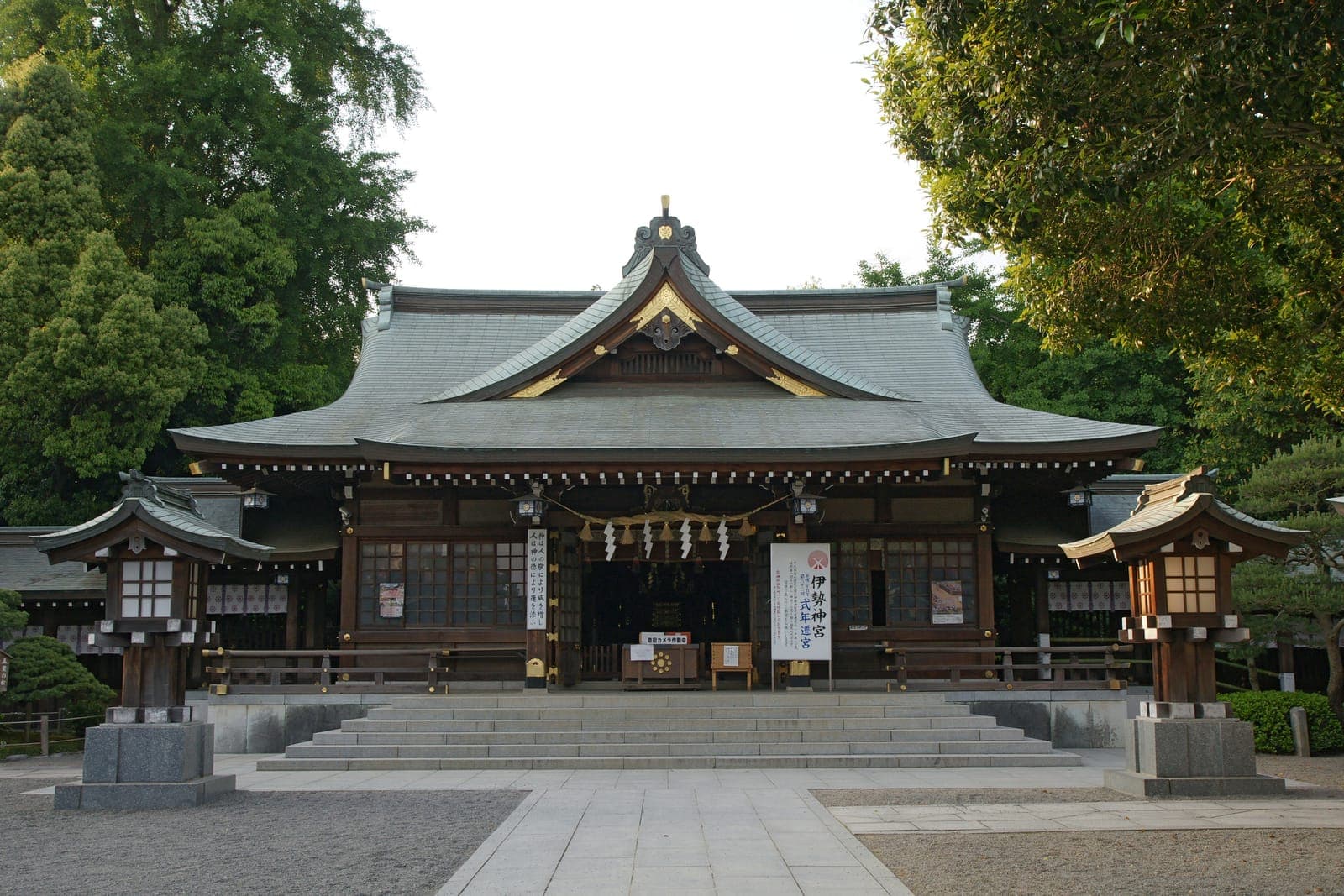
Aso Shrine is a historic Shinto shrine in Aso, Kumamoto, near Mount Aso. It is one of Japan’s oldest shrines, traditionally linked to the Aso clan and known for its reconstructed Romon gate, important cultural properties, and deep local worship traditions.
Why you should go
The Aso family, who have managed this shrine for over 2,000 years, hold the second-oldest recorded lineage in Japan after the Imperial family itself.
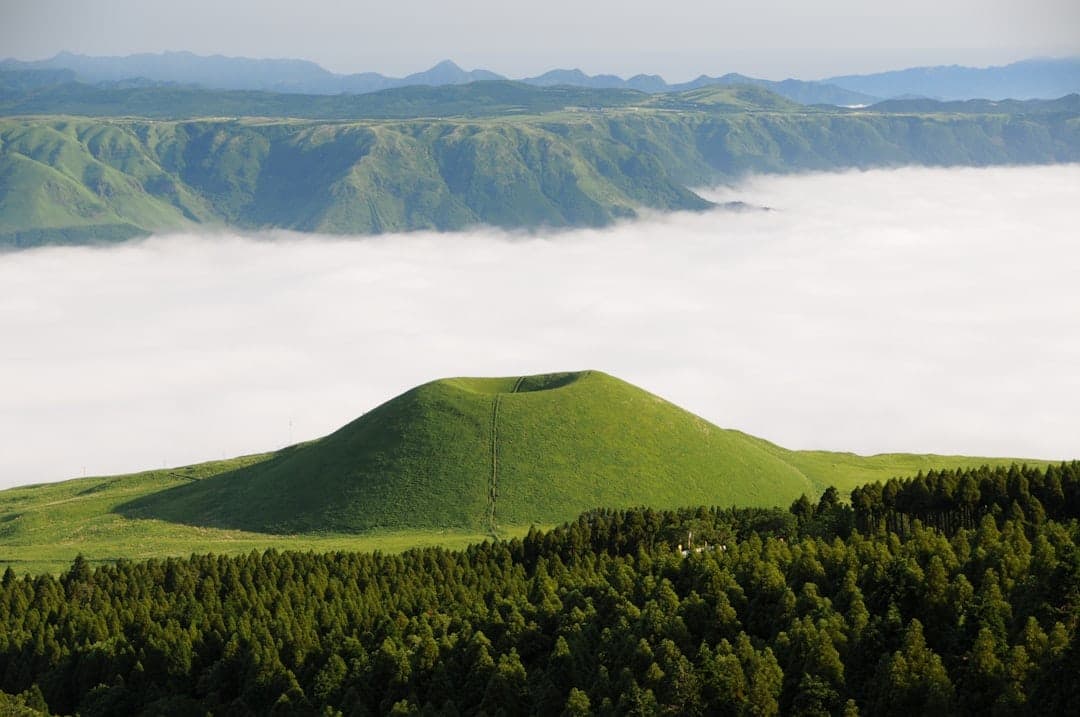
The torii gates stand on either side of the tower gate rather than in front, with one facing Mount Aso to mark the direction from which the volcano god arrives.
During the 2023 restoration of the collapsed tower gate, workers discovered the original builder's signature showing he was only 22 years old when he constructed it in the 1700s.
Izumi Shrine stands within Suizenji Jojuen Garden in Kumamoto, beside a pond and landscaped grounds that frame its quiet setting. Founded in 1878, it enshrines the former Hosokawa lords of Higo and serves as a memorial to Kumamoto’s feudal past, with a...
Katō Shrine is a Shinto shrine in Kumamoto Castle, Kumamoto, enshrining Katō Kiyomasa and associated figures. Established in 1871, moved several times, and now offers castle views, historical memorials, and popular New Year visits.
Why you should go
Plan your visit for early weekday mornings if you want to pray or photograph without competing with crowds, but know that New Year (first three days) draws roughly 400,000 visitors seeking blessings from Seishoko-san for good luck and success.
Arrive with cash if you want to make an offering or purchase omamori (protective amulets), as smaller shrines may not accept cards, and bring comfortable shoes since the shrine sits on a hilltop with views requiring some walking around the grounds.
If you're visiting to pray, know that Kato Kiyomasa is particularly revered by builders, architects, athletes in competitive sports, students facing exams, and people seeking help with illness, so your specific petition may resonate with the shrine's spiritual focus.