Admission
Not confirmed
At a Glance
The shrine became associated with fertility in 1178 after an empress successfully gave birth here. The enshrined deities Susanoo and Kushinadahime had eight children together, three daughters and five sons.
Okazaki Shrine was founded in 794 by Emperor Kanmu as one of four shrines to protect Kyoto's Imperial Palace from evil forces, specifically guarding the eastern direction, earning it the name "Higashi-tenno" (Eastern King).
This shrine offers 1 different goshuin designs
Regular
Not confirmed
Shopping
Look for the rabbit guardian statues around the shrine; they're the main feature and best photo subjects.
Take the Kyoto City Subway Tozai Line to Higashiyama Station and walk approximately 15 minutes north to reach the shrine, or use Kyoto City Buses that stop at Okazakijinja-mae which is just steps away from the entrance.
Expect a small shrine rather than a large temple complex, so plan a short stop focused on the rabbit-themed details.
Plan to spend less than one hour exploring the compact shrine grounds, which are open daily from 9:00 AM to 5:00 PM with free admission.
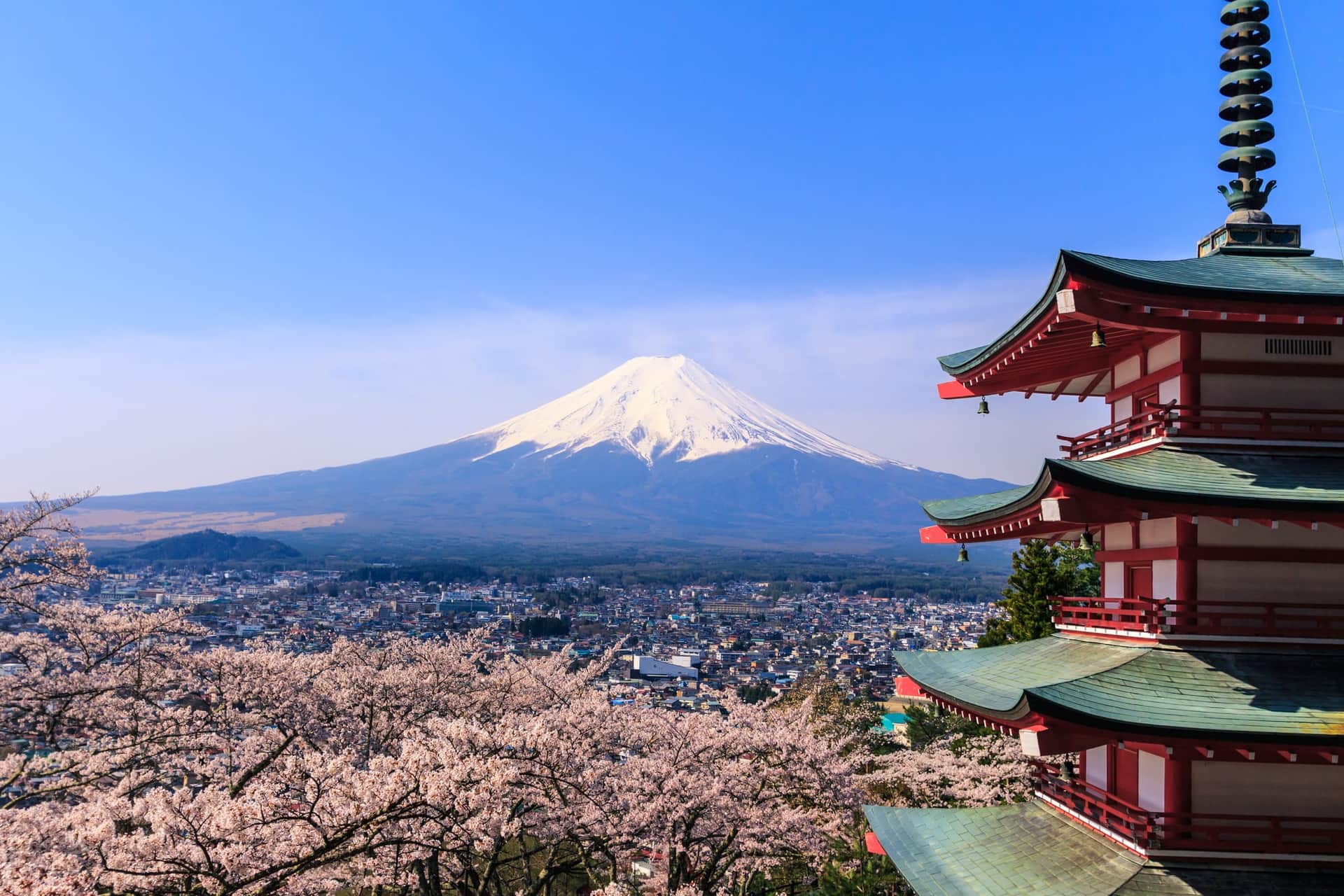
Pair your visit with nearby Lake Kawaguchi and Mt. Fuji viewpoints, since the shrine is in Fujikawaguchiko near both sights.
Purchase your omamori amulets and ema votive plates from the on-site counter, where all items are decorated with rabbit imagery and offer blessings for couple chemistry, conception, pregnancy, or child health.
Visit during cherry blossom season or Year of the Rabbit celebrations for especially photogenic opportunities with the many stone and ceramic rabbit statues throughout the grounds.
Look for the Maneki Usagi statues near the sake barrel offerings and lanterns to bring happiness and luck, as well as the small ceramic Usagi Dorei figurines with embedded bells around the pavilion's smaller altars.
Look for the unique Koma Usagi rabbit guardian statues at the entrance instead of the traditional komainu lion-dogs, with one rabbit having its mouth open (representing male energy) and the other closed (representing female energy).
Also called Rabbit Shrine
Fujikawaguchiko, Yamanashi Prefecture
Temporarily closed
Check official sources before planning a visit.
Within 300 m Within 600 m
Timetable data: Public Transportation Open Data Center
Renting needs the operator's app and a Japanese phone number. docomo day passes are sold at convenience stores. Data sources
More ways to continue from this place.
1 recent posts
Share how your visit was to help other travelers.