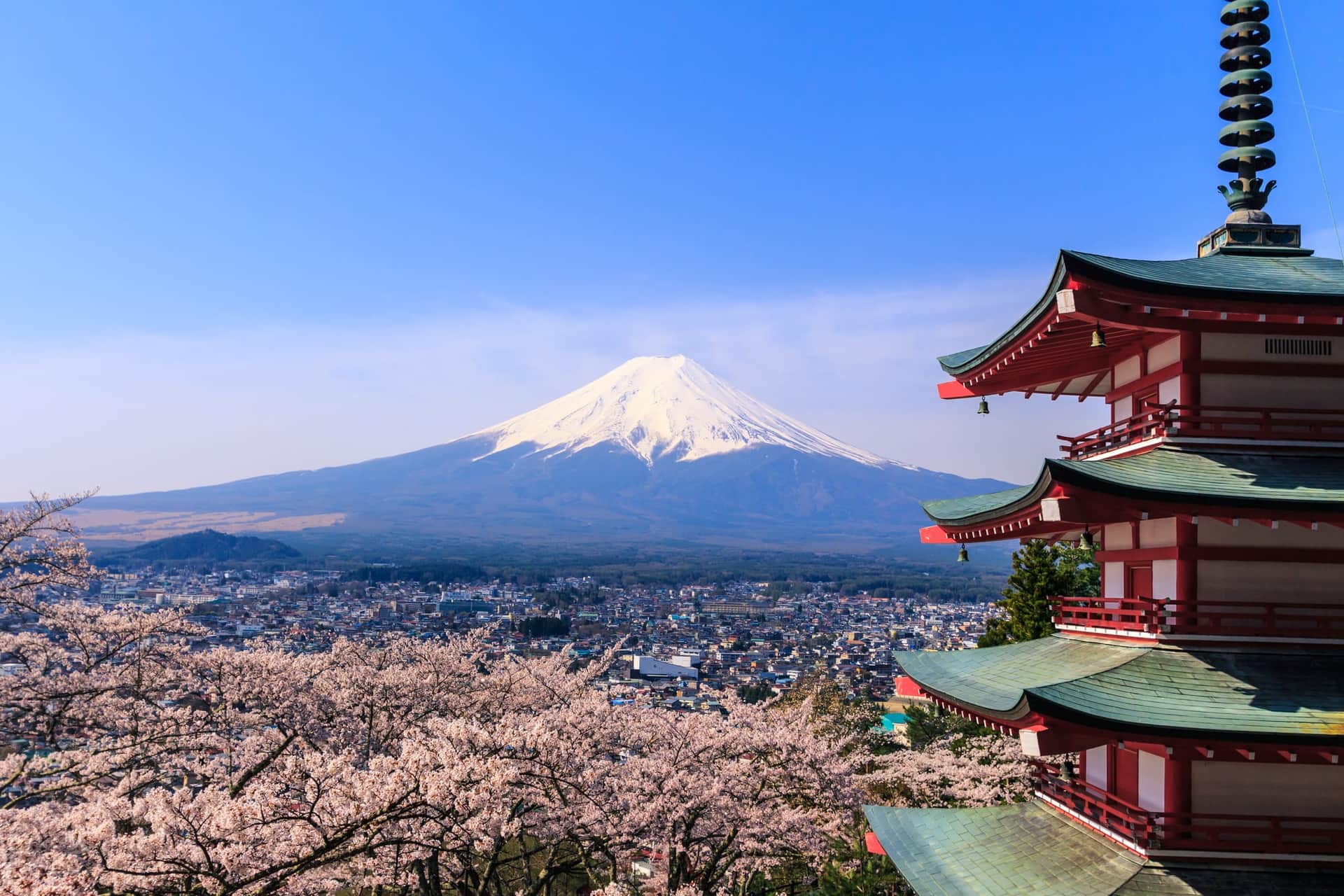
Plan to spend about 30 minutes exploring the grounds to fully appreciate the shrine's peaceful atmosphere, fish pond, and natural surroundings without feeling rushed.
At a Glance
The shrine preserves a handwritten petition by warlord Takeda Shingen requesting easy labor for his wife during childbirth, a rare personal glimpse into samurai family life.
Fujisan Simomiya Omuro Sengen Jinja is a Shinto shrine in Fujiyoshida, Yamanashi, tied to the Mt. Fuji Sengen religious tradition.
Same as opening hours
This shrine offers goshuin, but we don't have photos yet. Be the first to share yours!
Plan to spend about 30 minutes exploring the grounds to fully appreciate the shrine's peaceful atmosphere, fish pond, and natural surroundings without feeling rushed.
Expect a quiet residential setting; keep voices low and respect nearby homes when visiting this place of worship.
Visit the mini horse court on the premises where one of the horses is particularly friendly and will pop its head out seeking attention from visitors who pass by.
Plan for a calm, low-key visit rather than a large shrine complex; the atmosphere is noted as peaceful by visitors.
The shrine offers four different goshuin (temple stamp) writing styles, and staff members speak English well, making it easy to purchase omamori (protective charms), omikuji (fortune papers), ema (prayer plaques), and goshuin books.
From the handwash dragon side of the shrine, you can get a clear view of Mount Fuji, so bring your camera for this scenic photo opportunity.
Entry to the shrine is completely free, and despite being close to popular tourist areas, it remains uncrowded even on Sundays, offering an authentic and tranquil shrine experience.
The shrine is located just a few minutes' walk from the busy Honcho Street, but maintains a remarkably peaceful atmosphere with minimal crowds, making it ideal for quiet contemplation even during peak tourist hours.
Not confirmed
Fujiyoshida, Yamanashi Prefecture
More ways to continue from this place.
1 recent posts
Share how your visit was to help other travelers.
Cyril Colin shared a goshuin
Within 300 m Within 600 m
Timetable data: Public Transportation Open Data Center
Renting needs the operator's app and a Japanese phone number. docomo day passes are sold at convenience stores. Data sources