Admission
- Adult (18+)¥500
- Elementary/Junior High (6-14)¥300
At a Glance
Myōgon-ji was founded in 1441 and is better known nationwide as Toyokawa Inari.
Despite being called an Inari shrine and having a torii gate, Myōgon-ji is actually a Buddhist temple with no official Shinto association, a remnant of pre-Meiji religious syncretism.
Same as opening hours
This temple offers goshuin, but we don't have photos yet. Be the first to share yours!
Facilities
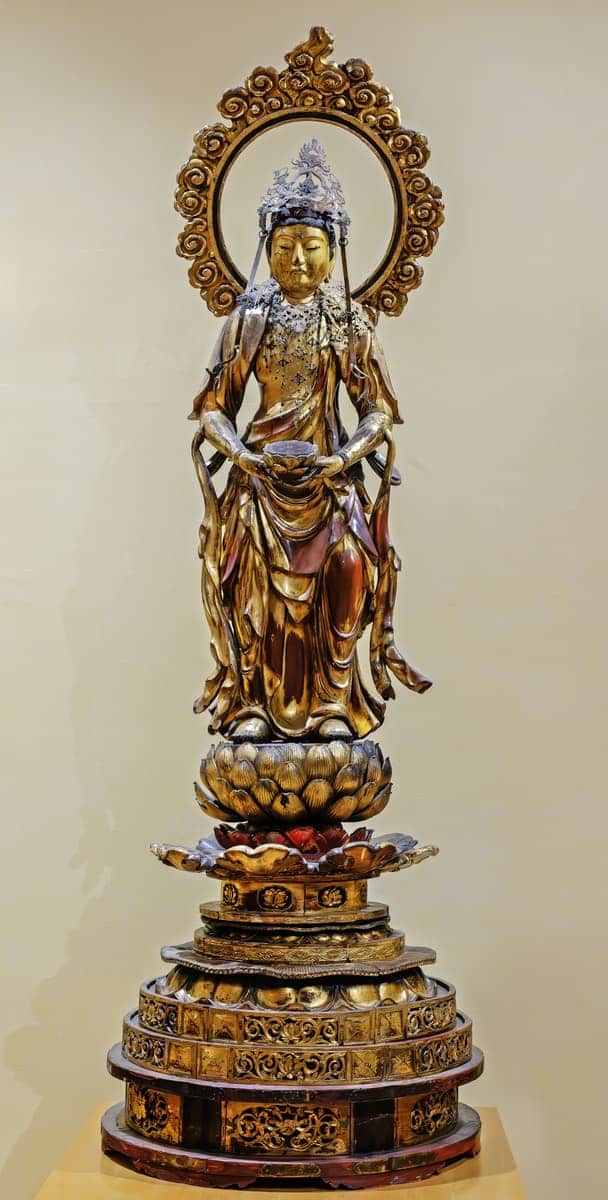
Don't miss Myogen Temple behind the main shrine, which houses the effigy of the Thousand-Handed Senju Kannon (the temple's main deity).
Visit before sunset to fully appreciate the impressive red torii gate path and the extensive temple grounds surrounded by nature.
Visit Reikozuka, the hillside covered with over 1,000 stone fox statues dressed in bright red bibs, located behind the Okuno-in pavilion through the sacred copse.
The temple is easily accessible from Nagoya by taking the Toyohashi-bound train from Meitetsu Nagoya Station, changing at Ko Station to a train bound for Toyokawa-inari Station, with the temple just a three-minute walk from the station.
Try the local Inari sushi on the street directly before the temple entrance, which features sweet pouches of fried tofu filled with sushi rice.
The divine spirits venerated at this sacred place
More ways to continue from this place.
What this place is believed to grant
Also called Myōgon-ji
Toyokawa, Aichi Prefecture
0 recent posts
Share how your visit was to help other travelers.
No public community posts yet.