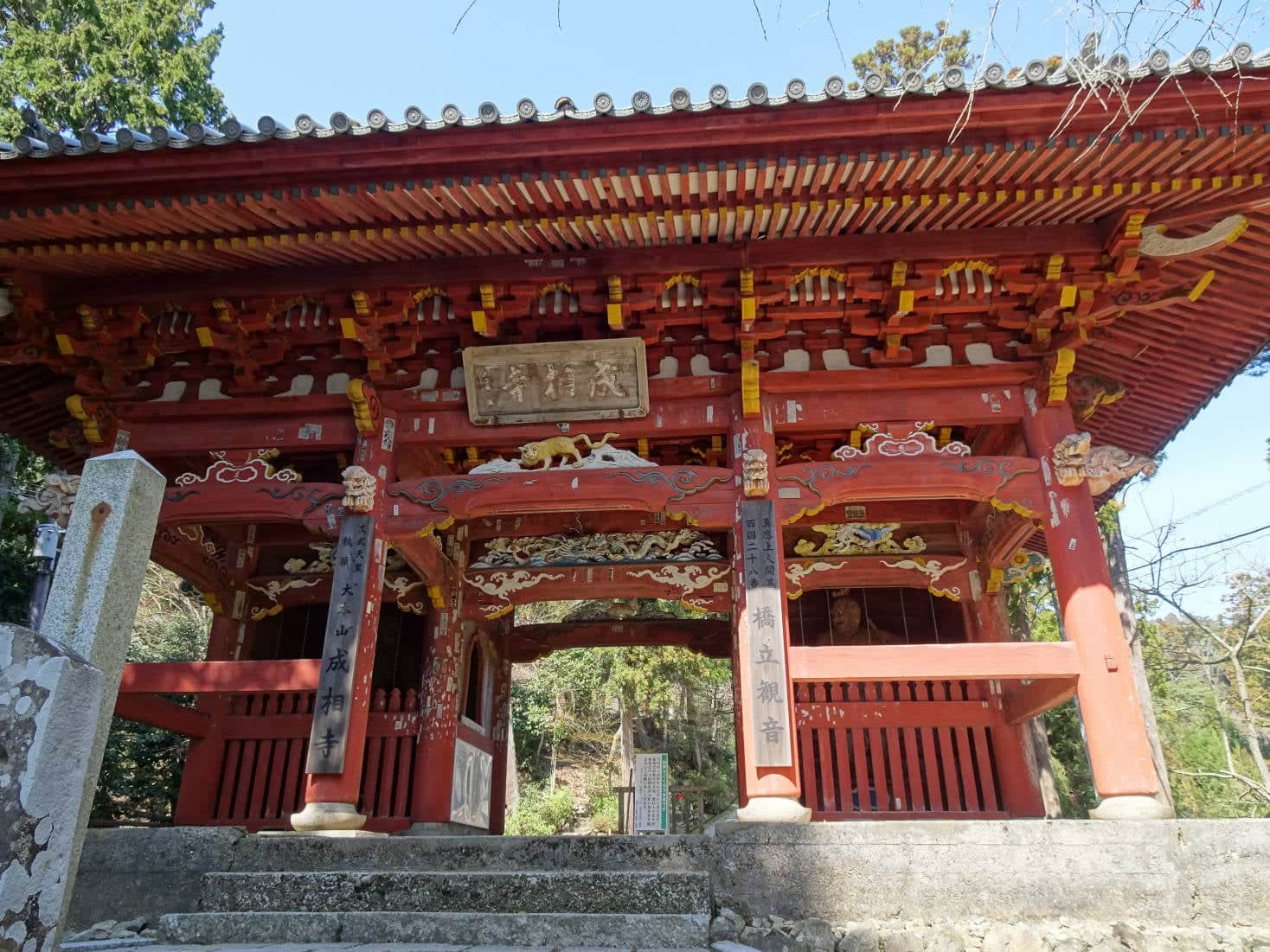
Goddess of mercy, compassion, and salvation
Kannon, known in Chinese as Guanyin, is the bodhisattva of compassion and one of the most universally venerated figures in Buddhism. The name means "One Who Perceives the Sounds of the World," reflecting this deity's boundless attentiveness to the suffering of all beings. Originally conceived as male in Indian Buddhism, Kannon has been depicted predominantly as female throughout East Asia since around the twelfth century.
Kannon is celebrated as the most beloved of Buddhist divinities, revered across traditions for the miraculous power to answer the prayers of all who call upon her. The Lotus Sutra's Universal Gate chapter and the Kāraṇḍavyūha Sūtra both testify to her saving grace. Some Pure Land Buddhists hold that she guides the souls of the departed to the western paradise of Sukhāvatī, placing them gently within a lotus blossom.
Numerous major temples in Japan are dedicated to Kannon, including Sensō-ji, Kiyomizu-dera, and Sanjūsangen-dō, and Japan's oldest pilgrimage route — the Saigoku Kannon Pilgrimage — winds through thirty-three of her sacred sites. Kannon is venerated in many forms, among them the Thousand-armed, the Eleven-faced, and the Horse-headed, each embodying a different aspect of her inexhaustible compassion. Her sacred abode is identified with Mount Potalaka, localized in Japan at Fudarakusan-ji.
20 places