Admission
Not confirmed
At a Glance
The custom comes from an Ooka Tadasuke courtroom tale: when a cart of cloth was stolen outside the gate, the famous magistrate had the Jizo 'arrested' for standing by idly, and the mock trial ended up exposing the real thief.
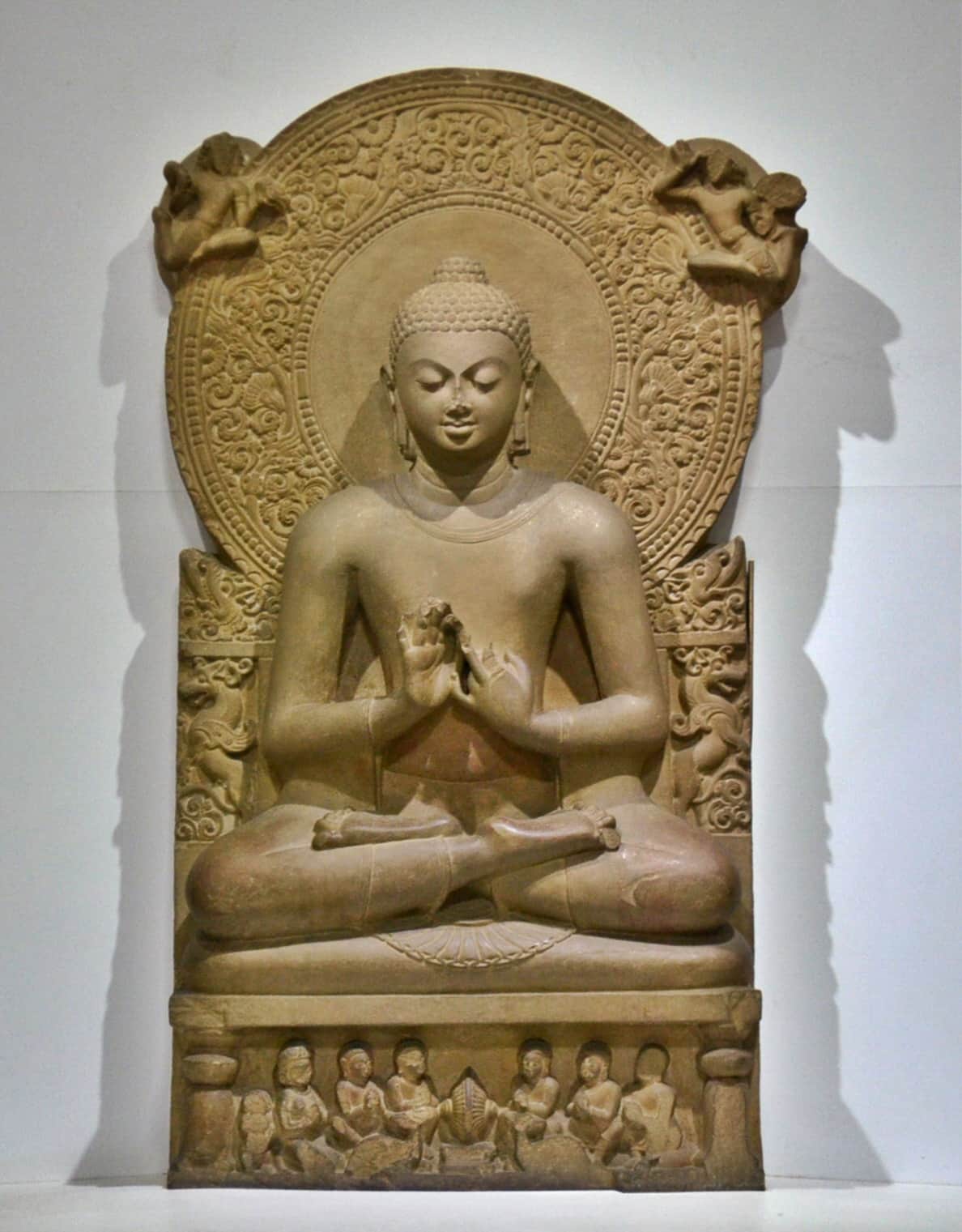
Founded in 1348 near the Sumida River, the temple honors the Heian poet Ariwara no Narihira, whose name survives in its mountain name, Narihira-san. It settled at its current Higashimizumoto site in 1929 after the Great Kanto Earthquake.
Same as opening hours
This temple offers goshuin, but we don't have photos yet. Be the first to share yours!
Not confirmed
Facilities
To follow the local custom, get a rope at the temple office, tie it around the Shibarare Jizo while making your wish, and return to untie one rope once the wish has come true.
The temple is about a 15-minute walk from Kanamachi Station on the JR Joban Line. It pairs well with a stroll in nearby Mizumoto Park, one of Tokyo's largest waterside parks.
If you visit on December 31, you can see the nawatoki kuyo, the year-end ceremony in which the ropes accumulated over the year are untied from the Jizo and burned.
The divine spirits venerated at this sacred place
Katsushika, Tokyo Prefecture



More ways to continue from this place.
What this place is believed to grant
0 recent posts
Share how your visit was to help other travelers.
No public community posts yet.
Within 300 m Within 600 m
Timetable data: Public Transportation Open Data Center
Renting needs the operator's app and a Japanese phone number. docomo day passes are sold at convenience stores. Data sources