
Kuri
Architecture庫裏 ・ Reading: くり
Definition
The kitchen and living quarters of a temple, where the resident priest and family live and meals are prepared. It is a working building rather than a place of worship, and is often not open to visitors.
What it is
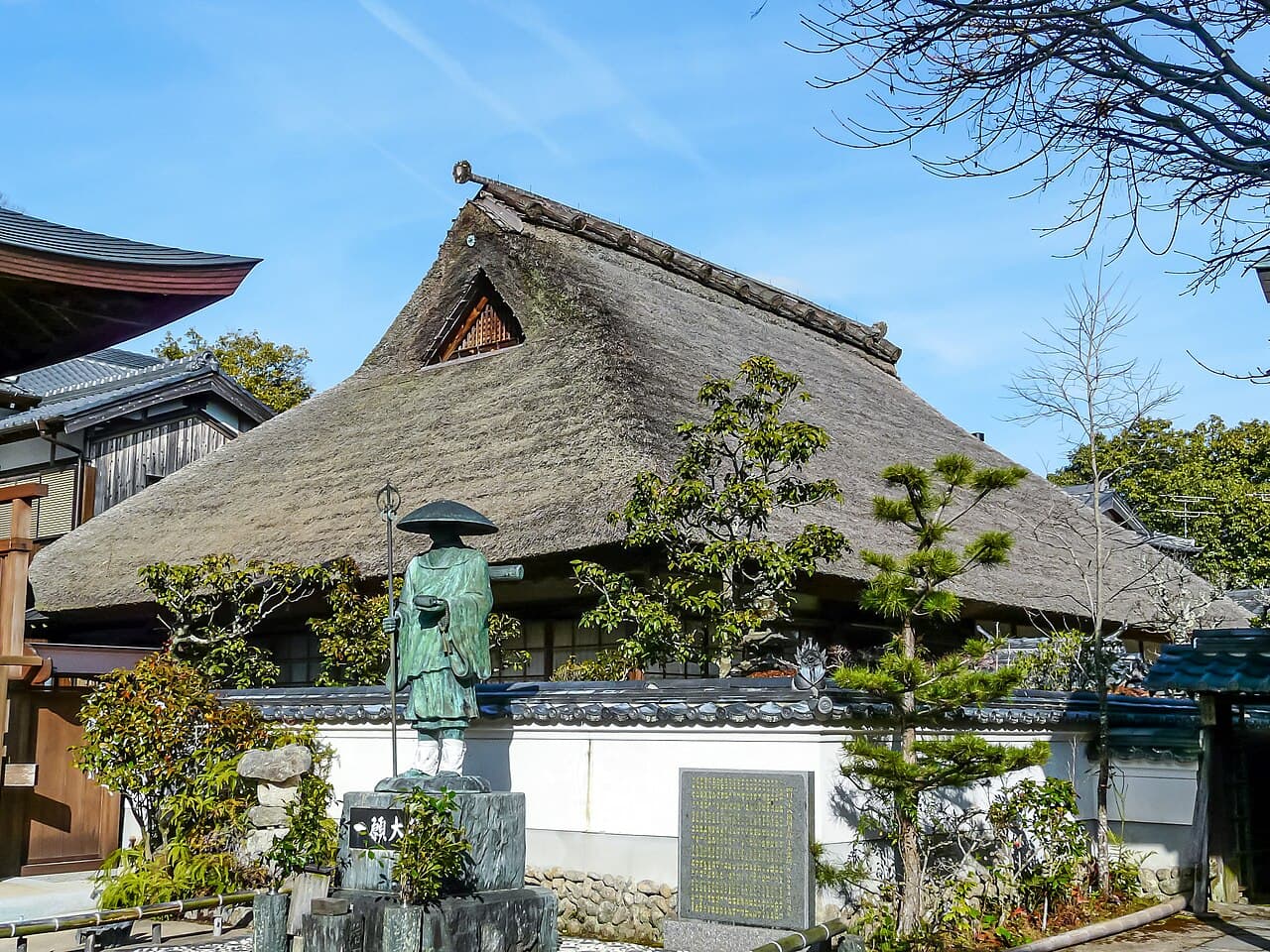
The kuri is the working heart of a Buddhist temple: its kitchen and the living quarters of the resident priest and their family. The name originally referred to the storehouse and kitchen where food was kept and prepared, and over time it came to mean the whole domestic wing where the temple household eats, sleeps and runs daily affairs. In many temples it is the busiest building on the grounds, even though pilgrims rarely set foot inside.
What to look for
A kuri usually sits to one side of the main hall, often connected to it by a covered corridor. It tends to look more like a large traditional house than a place of worship, with a tiled roof, sliding doors and sometimes a tall smoke vent rising from the old kitchen hearth. Do not confuse it with the hondo, the main hall where images are enshrined and services are held. The kuri is private space, so treat any closed door or rope as a clear sign to stay out.
Good to know
At larger temples the kuri may also house the office where you buy goshuin or amulets, so it is not always entirely off limits. When it is, remember that a family genuinely lives and works there, and keep to the public areas.
Common questions
- What is the kuri in a Japanese temple?
The kuri is the kitchen and living quarters of a Buddhist temple, where the resident priest and the priest's family live and where meals are prepared. It often also houses the temple office, where you can buy a goshuin or ask about ceremonies.
- Can visitors go inside the kuri?
Most of the kuri is private living space and is not open to visitors. If the goshuin counter or reception desk is located in the kuri you may approach it, but you should not enter the family's living areas.
- What is the difference between the kuri and the hondo?
The hondo is the main hall of a Buddhist temple, where the principal image is enshrined and worship takes place, while the kuri is the working building that holds the kitchen, the temple office, and the priest's living quarters. The kuri is not a place of worship.