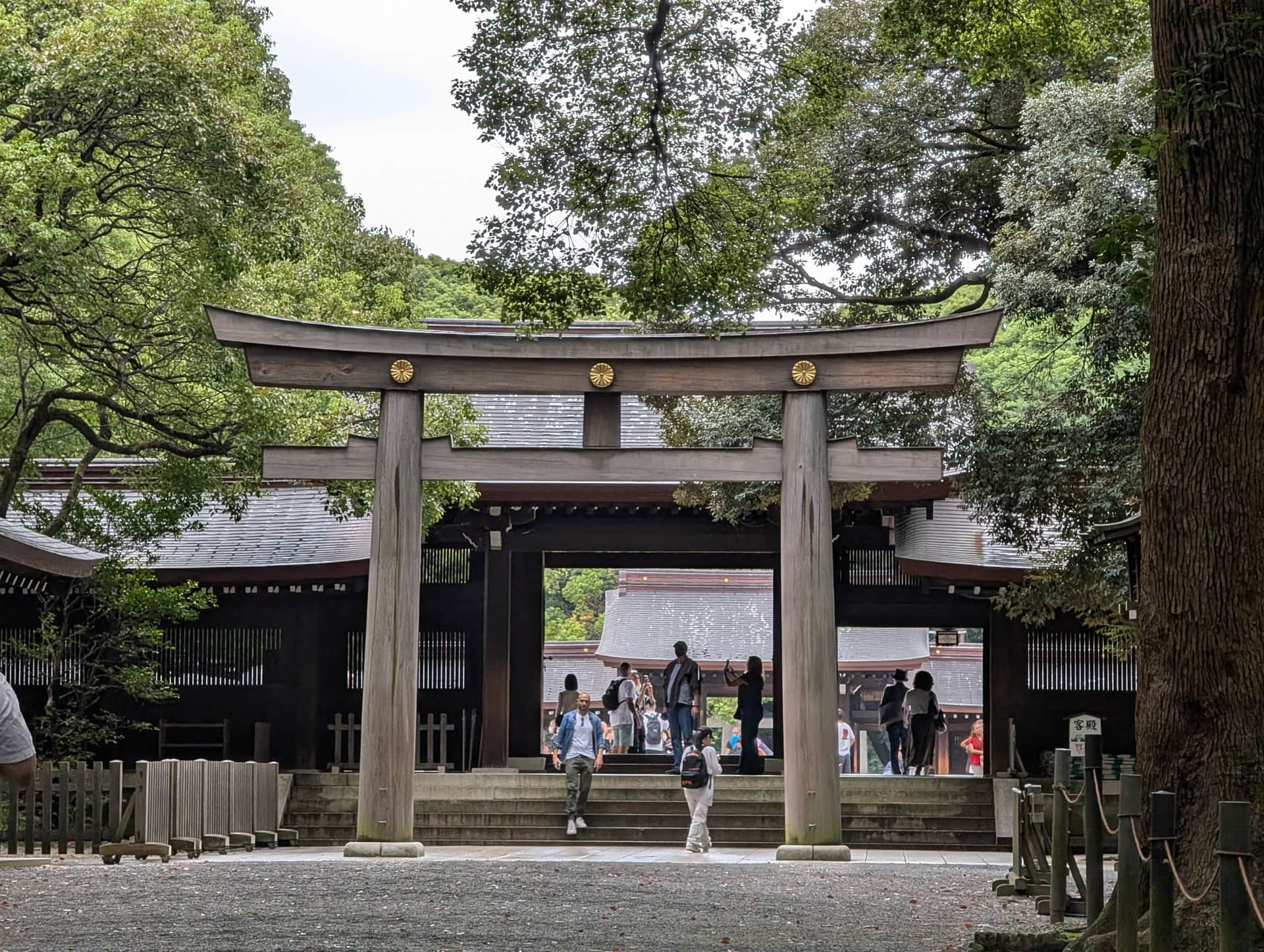
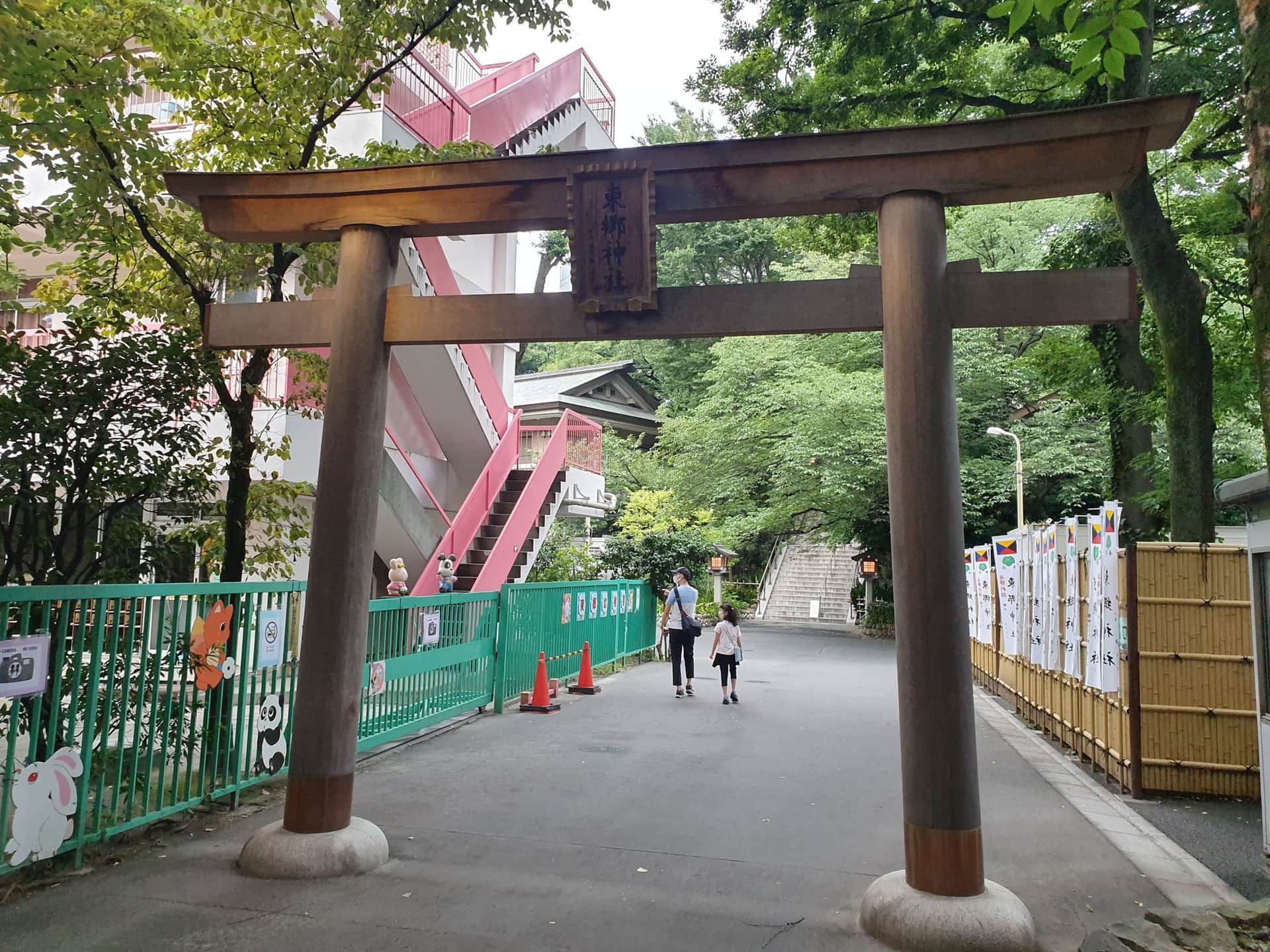
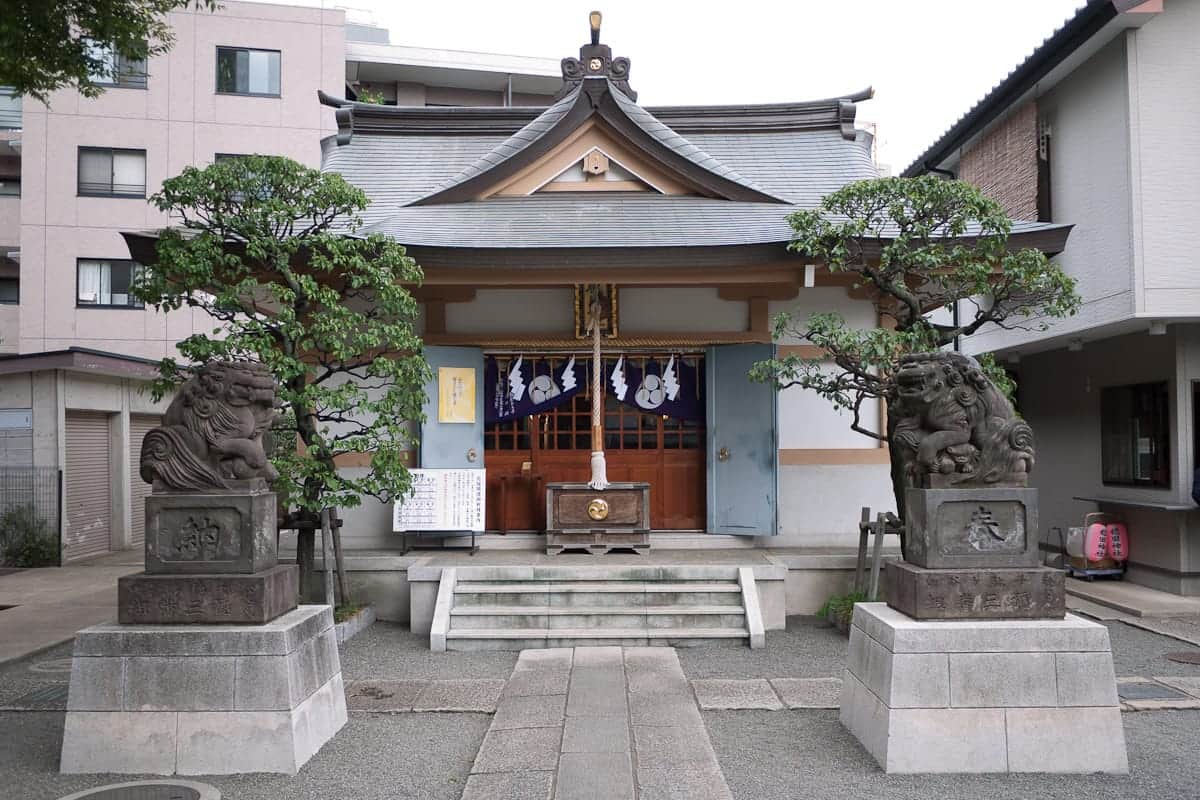
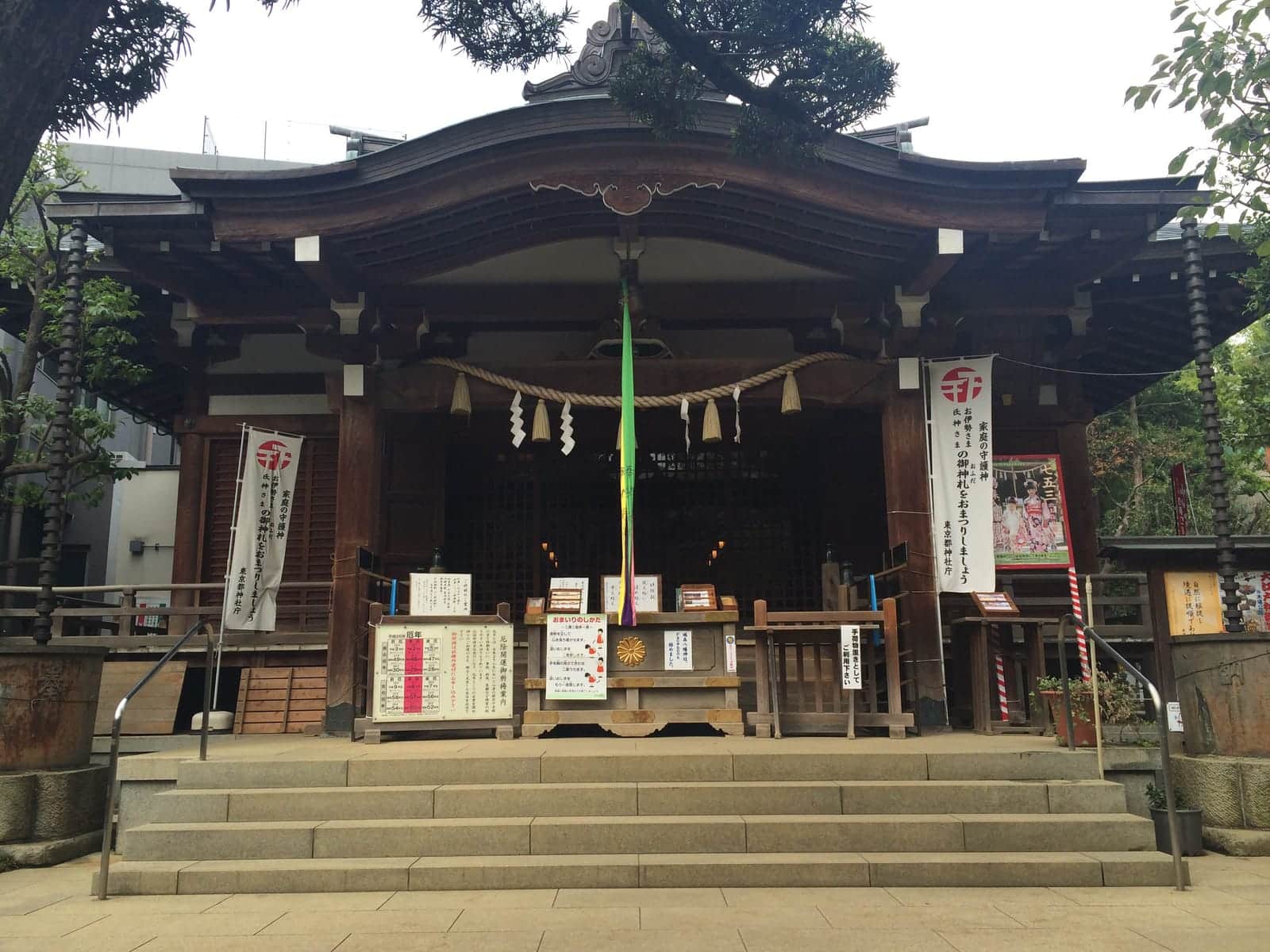
Follow the traditional worship etiquette by bowing once before entering through the torii gate, tossing a 5-yen coin into the offering box, ringing the bell, performing two deep bows, two claps while praying, and finishing with one final bow.
At a Glance
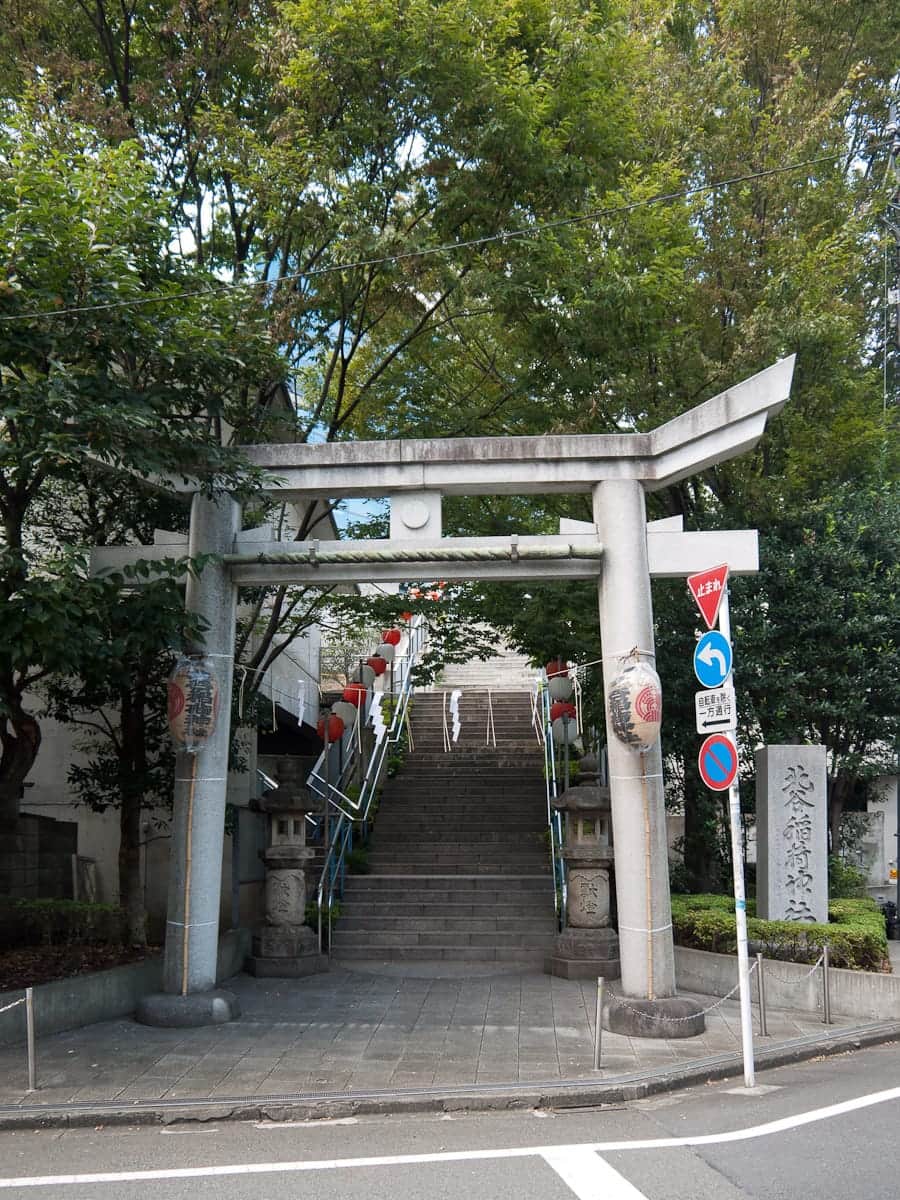
Stone lanterns along the path were donated by residents forced to leave when the Imperial Army built a massive training ground here in 1909, they're called 'Farewell Monuments.'
The shrine was founded in 1212 by a samurai who fled after his lord was assassinated, inspired by a dream where he received a glowing mirror from the god of war himself.
This shrine offers goshuin, but we don't have photos yet. Be the first to share yours!
Facilities
Follow the traditional worship etiquette by bowing once before entering through the torii gate, tossing a 5-yen coin into the offering box, ringing the bell, performing two deep bows, two claps while praying, and finishing with one final bow.
Visit during evening hours to experience the shrine's serene atmosphere when it's beautifully lit and remarkably quiet despite being close to busy Yamanote Street, with surprisingly few mosquitoes even among the dense trees.
Time your visit for the second or third weekend of September to experience the grand summer festival with traditional bon-odori dancing, where food stalls offer surprisingly reasonable prices and wearing a yukata is encouraged.
Don't miss the reconstructed Jomon period dwelling (竪穴住居) on the grounds, which marks the site of a 5,000-year-old settlement discovered in 1950, with excavated stone artifacts displayed in a small annex across from the main shrine.
The shrine has two entrances: the main approach features a significant staircase that can be challenging, but you can take a taxi to the back entrance for easier access while still experiencing the atmospheric front stairs on your way out.
If visiting with young children, bring a change of clothes as much of the shrine grounds are unpaved earthen paths, especially useful during festivals when kids might get dirty playing.
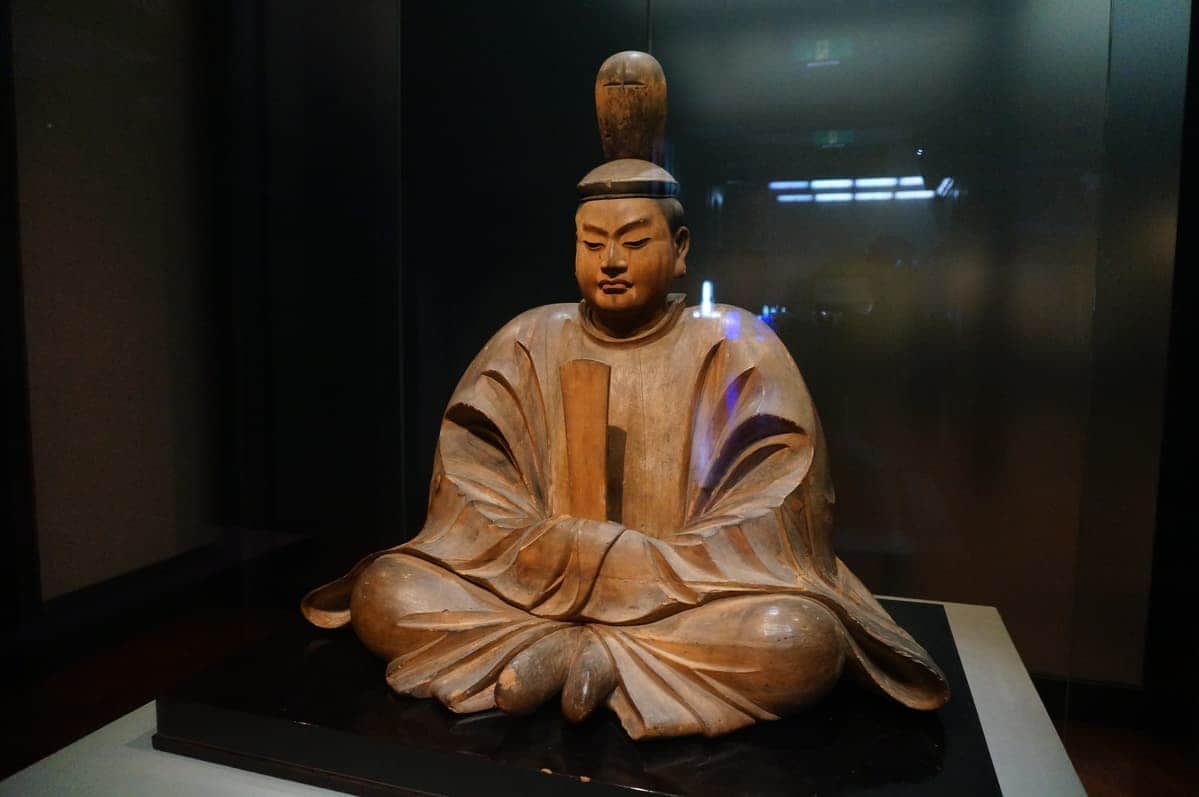
The divine spirits venerated at this sacred place
Visit Duration
45-60 minutes
More ways to continue from this place.
Within 300 m Within 600 m
Timetable data: Public Transportation Open Data Center
Renting needs the operator's app and a Japanese phone number. docomo day passes are sold at convenience stores. Data sources
Shibuya, Tokyo Prefecture
What this place is believed to grant
0 recent posts
Share how your visit was to help other travelers.
No public community posts yet.