Plan around August 13 if you want festival atmosphere; avoid that date if you prefer a quieter visit.
At a Glance
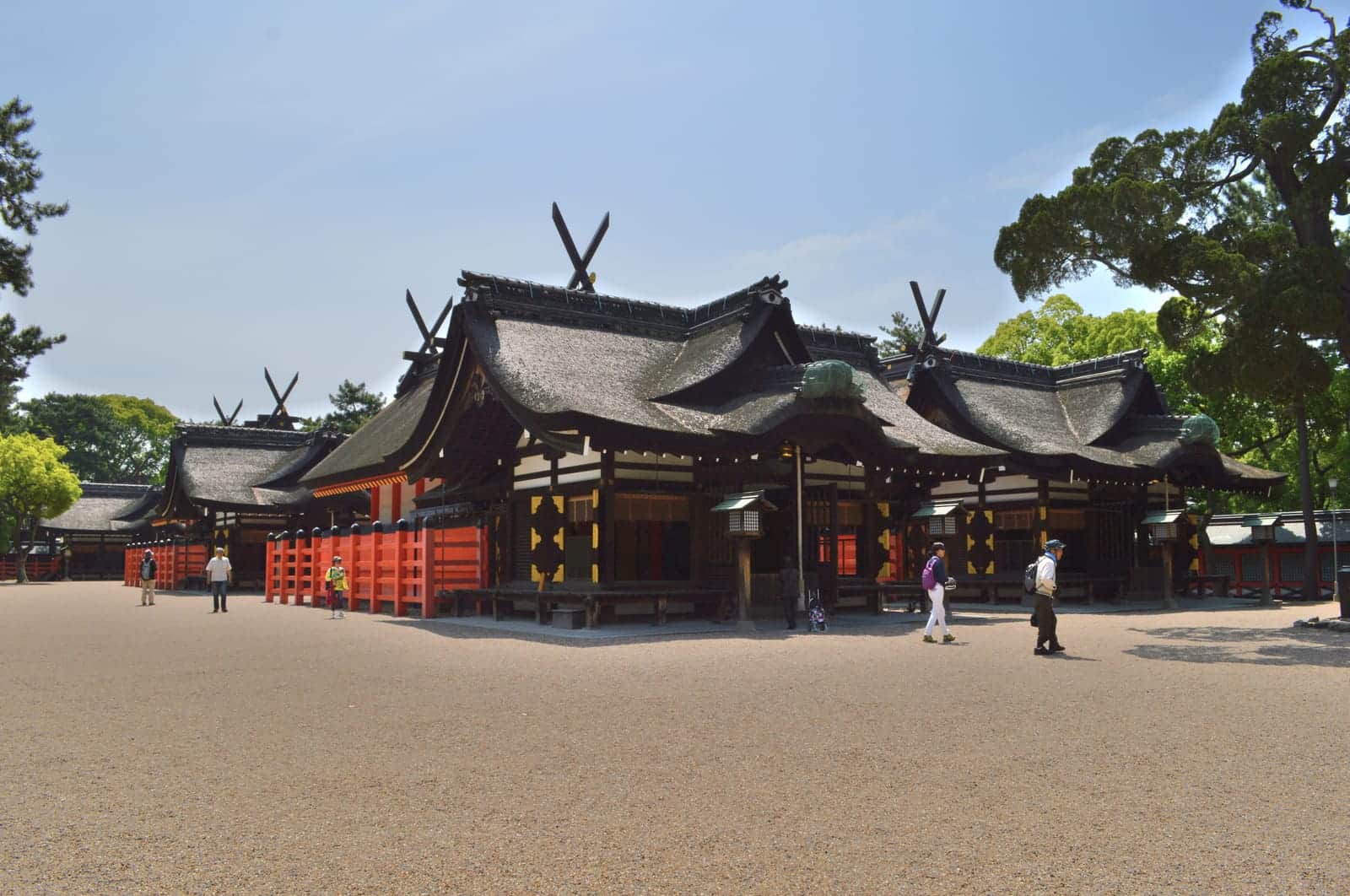
The shrine features the rare Ōtori-zukuri architectural style, considered the second-oldest form of Shinto architecture in Japan after Izumo Taisha's design.
The shrine is famous for selling Japan's first 'foresight charm' (sakisaki omamori), a unique talisman that has become hugely popular among visitors seeking divine guidance.
Same as opening hours
This shrine offers goshuin, but we don't have photos yet. Be the first to share yours!
Facilities
Plan around August 13 if you want festival atmosphere; avoid that date if you prefer a quieter visit.
Consider booking a guided tour led by a shrine priest, which includes prayers, a detailed explanation of the shrine's history and connection to Yamato Takeru legend, and a commemorative gift.
If you are interested in provincial shrine history, prioritize Ōtori Taisha on your Sakai visit because it represents the top-ranked shrine of old Izumi Province.
The shrine is conveniently located just a short walk from Otori Station on the JR Hanwa Line, making it easily accessible by public transportation. Free parking is available on-site if you prefer to drive.
Plan your visit around the annual main festival held on August 13th to experience traditional celebrations, but be aware that the shrine may be closed on certain days due to festivals or special visits, so check ahead if visiting during peak periods.
Seasonal celebrations and special occasions
More ways to continue from this place.
Nishi, Osaka Prefecture
Within 300 m Within 600 m
Renting needs the operator's app and a Japanese phone number. docomo day passes are sold at convenience stores. Data sources
0 recent posts
Share how your visit was to help other travelers.
No public community posts yet.