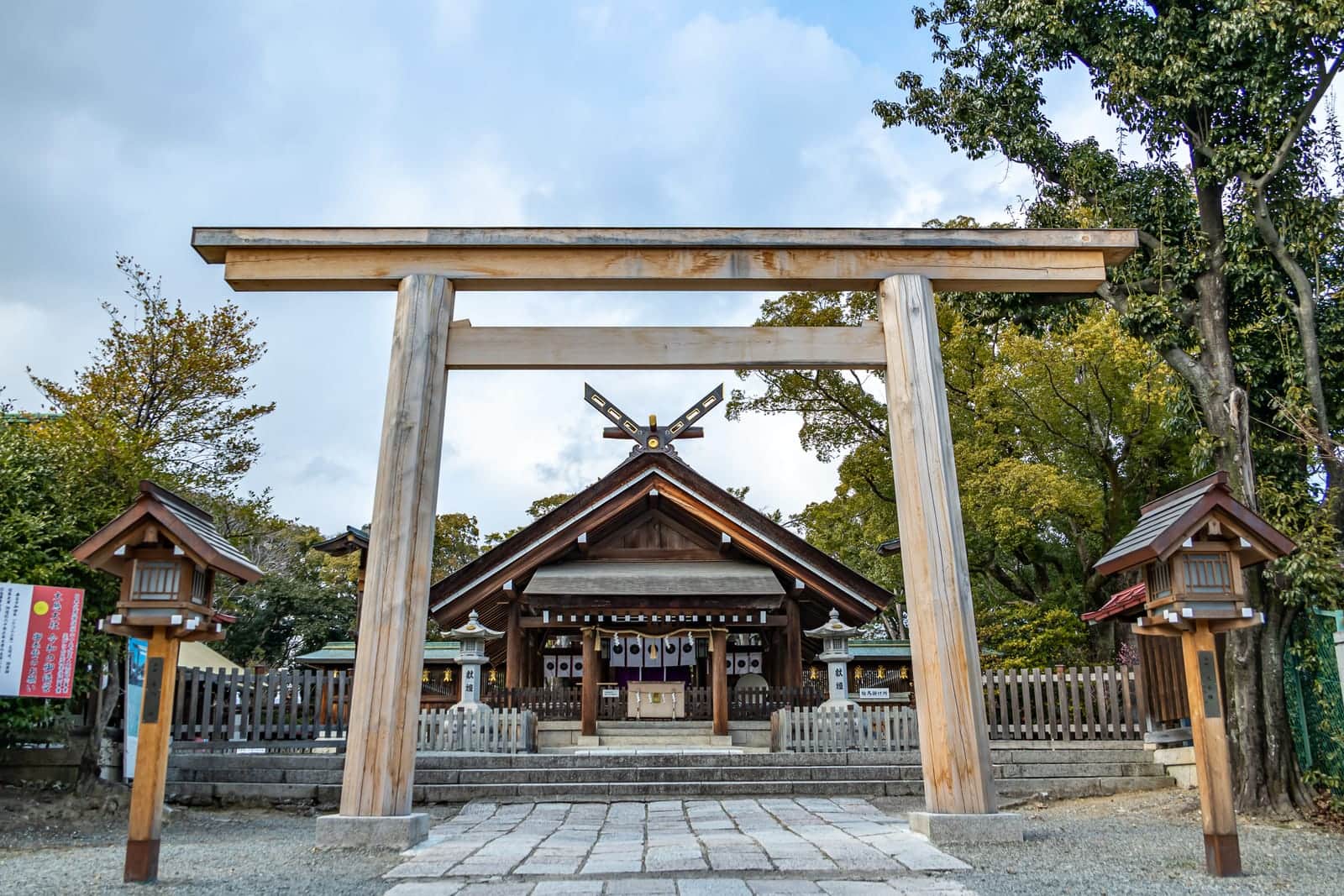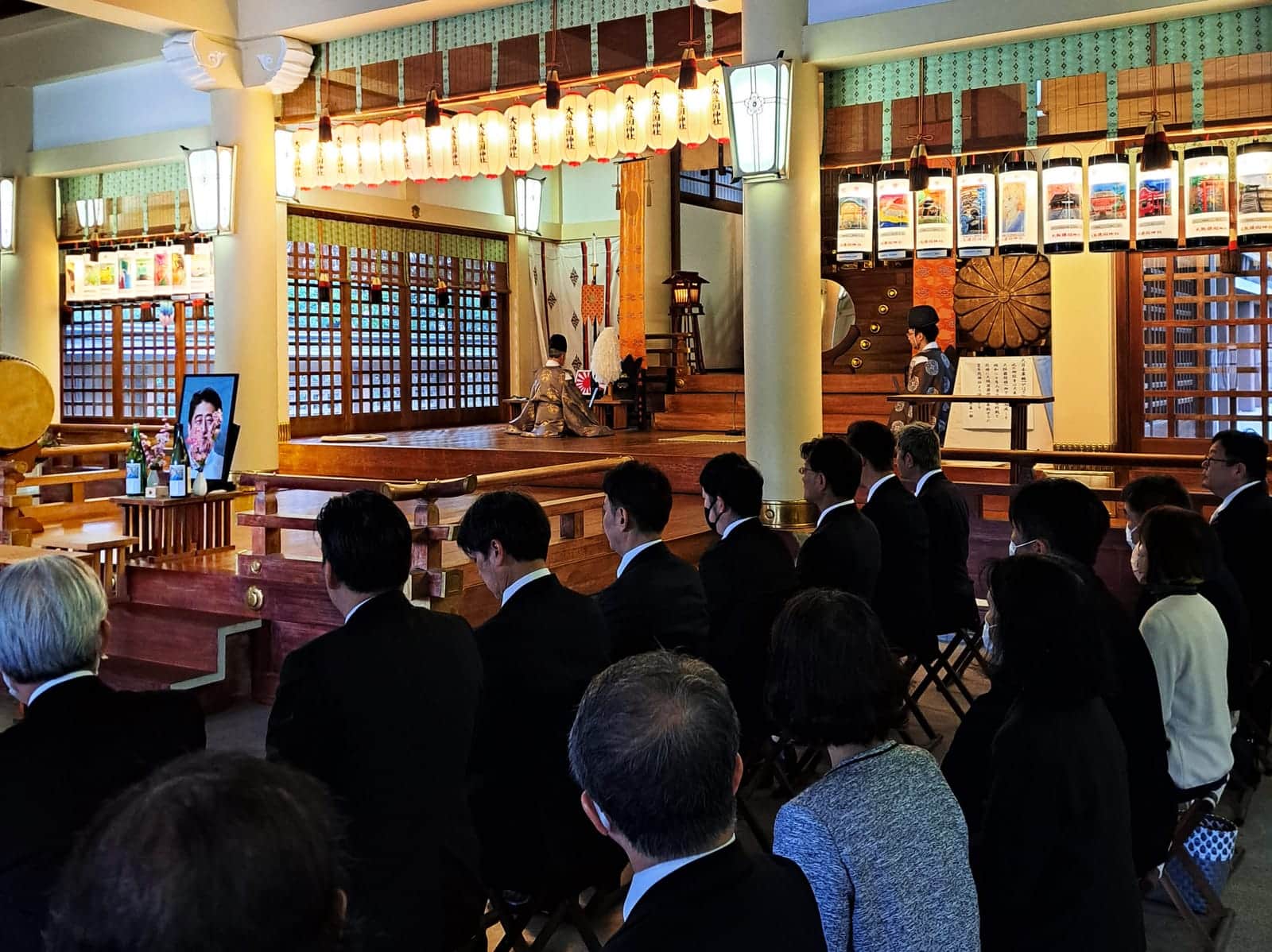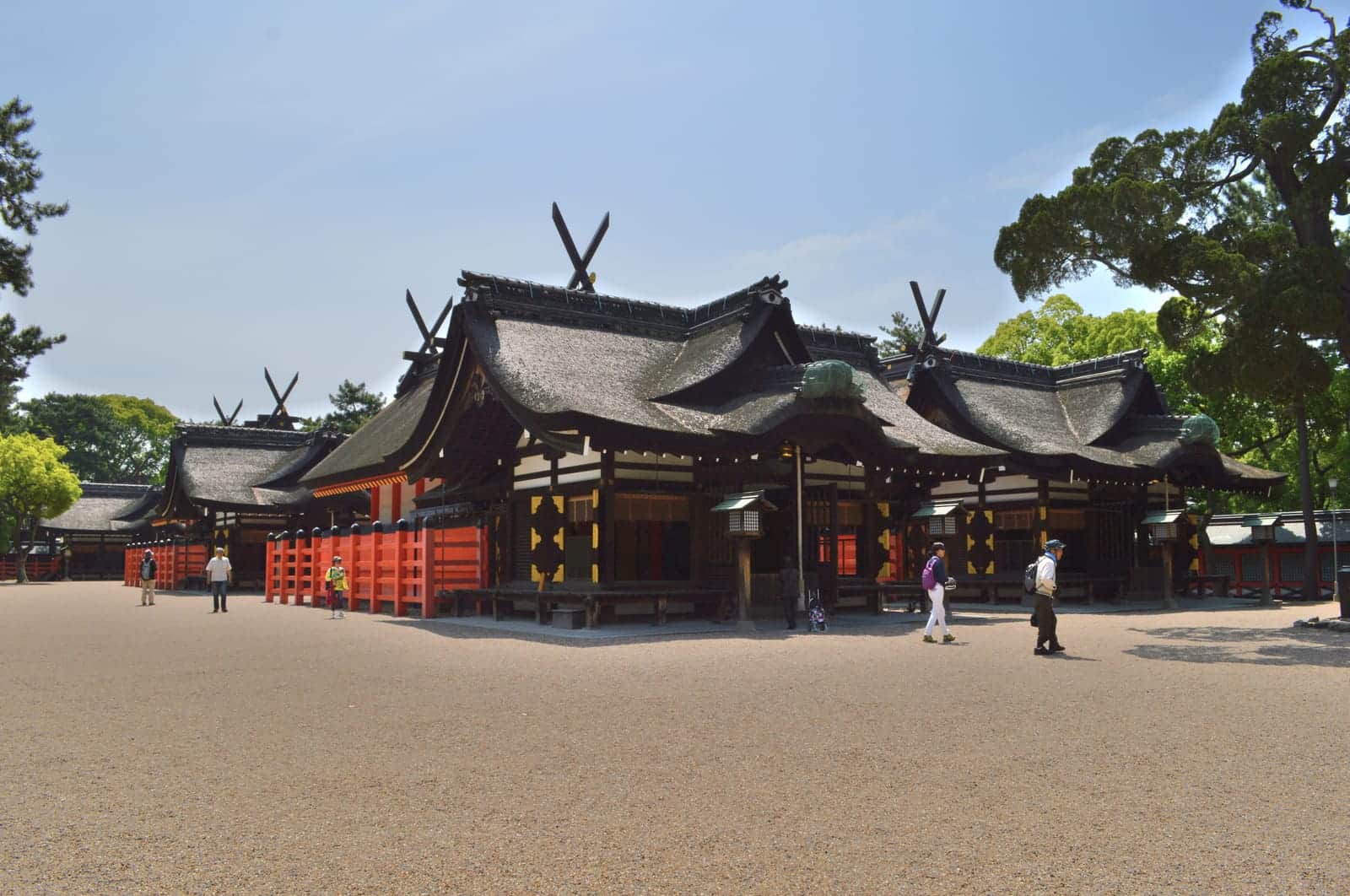
海会寺
Sub-templeWhat's this?
At a Glance
Nanshu-ji's dry landscape garden was laid out by Furuta Oribe in 1619 and is designated a National Place of Scenic Beauty.
The temple houses a monument claiming to be the true grave of Tokugawa Ieyasu, based on a legend that he was killed during the 1615 Siege of Osaka and secretly buried here, contradicting official history.
Same as opening hours
This temple offers goshuin, but we don't have photos yet. Be the first to share yours!
1 structures on the grounds
Sakai, Osaka Prefecture
Not confirmed
More ways to continue from this place.
0 recent posts
Share how your visit was to help other travelers.
No public community posts yet.
Within 300 m Within 600 m
Renting needs the operator's app and a Japanese phone number. docomo day passes are sold at convenience stores. Data sources