Admission
- Adult (18+)Free
During the November Tori-no-Ichi festival, locals follow a tradition of buying kumade (bamboo rakes) first, then walking through food stalls while holding them to 'rake in good fortune' as they go.
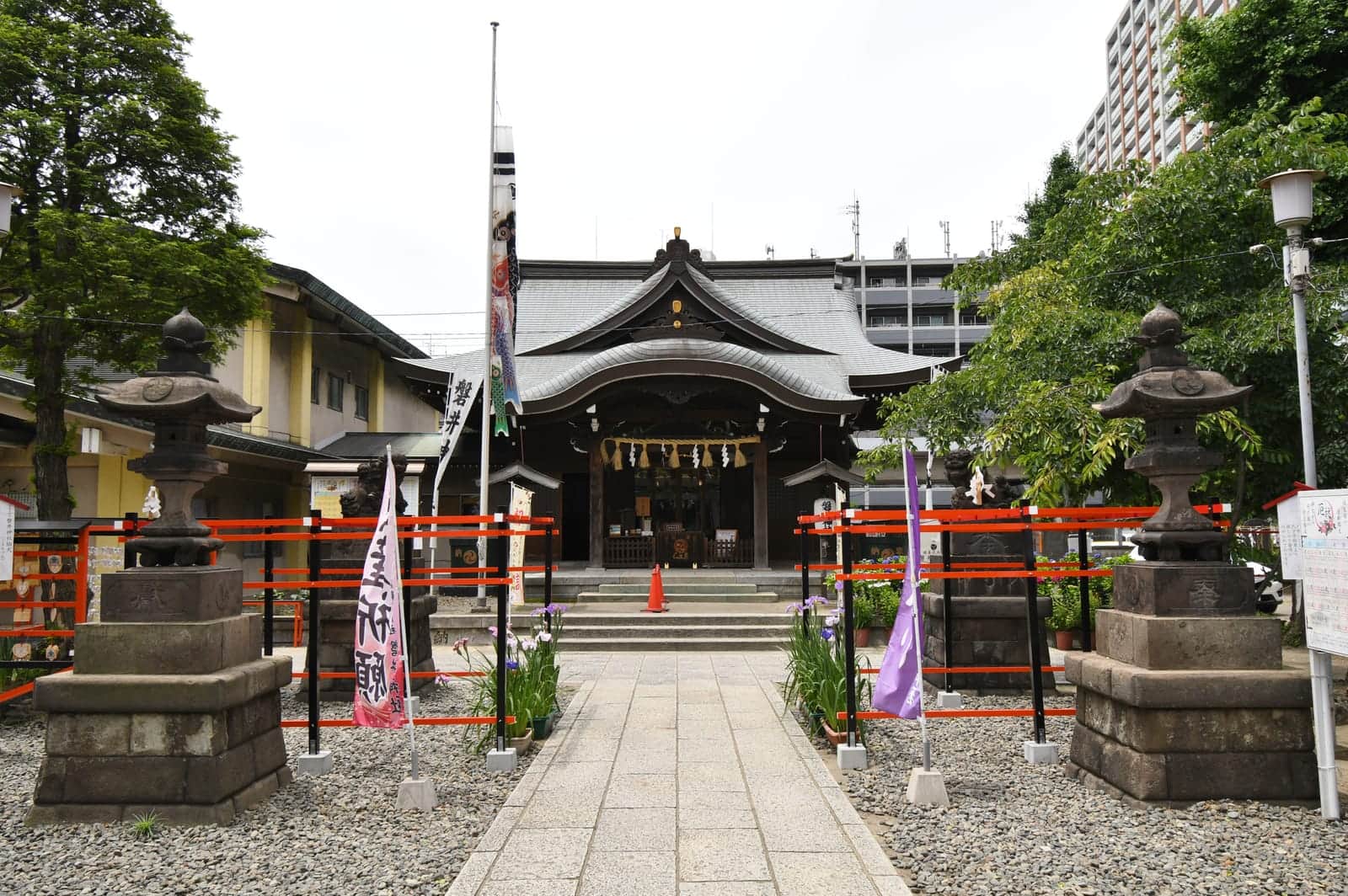
The shrine is dedicated to Yamato Takeru, a legendary prince-warrior from Japanese mythology known for his military conquests across ancient Japan.
Same as opening hours
This shrine offers goshuin, but we don't have photos yet. Be the first to share yours!
Visit Duration
15-30 minutes
Plan your visit during the November Tori-no-Ichi festival when the shrine transforms into one of the busiest markets in the Jonan area, with rows of decorative kumade (bamboo rakes) for sale and traditional food stalls lining the shopping street.
Arrive before 11:00 AM during Tori-no-Ichi days to avoid the queues that form for worship, as many local businesses send representatives to purchase large kumade rakes around midday on weekdays.
Begin your Tori-no-Ichi visit by paying respects at the shrine dedicated to Yamato Takeru no Mikoto before shopping for kumade or exploring the food stalls, following the proper order that locals observe.
More ways to continue from this place.
Also called Omori Otori
Ota, Tokyo Prefecture
0 recent posts
Share how your visit was to help other travelers.
No public community posts yet.
Within 300 m Within 600 m
Timetable data: Public Transportation Open Data Center
Renting needs the operator's app and a Japanese phone number. docomo day passes are sold at convenience stores. Data sources