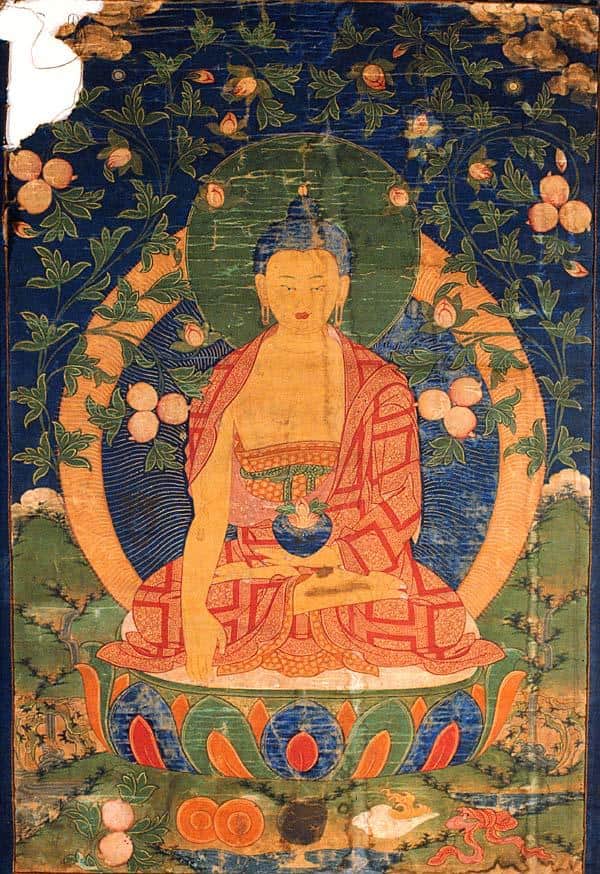
In addition to its permanent collection, special thematic exhibitions are also held seasonly, as well as art expositions in collaboration with contemporary artists
At a Glance
Daigo-ji is a major Shingon Buddhist temple in Fushimi-ku, Kyoto, and the head temple of the Shingon Daigo-ha branch. It is part of the UNESCO World Heritage Site “Historic Monuments of Ancient Kyoto,” recognized in 1994 for its wooden architecture and garden traditions. The temple is famed for vast precincts on Mount Daigo and as the site of Toyotomi Hideyoshi’s celebrated cherry blossom viewing in 1598.
Founded in 874 by the monk Shōbō (Rigen Daishi), Daigo-ji developed through the Heian and medieval periods as an important esoteric center. Fires and warfare led to losses, but key structures were rebuilt, and patronage in the Azuchi–Momoyama era revived the complex. The five-story pagoda from 951 is the oldest surviving building in Kyoto, and many halls date from the 16th–17th centuries.
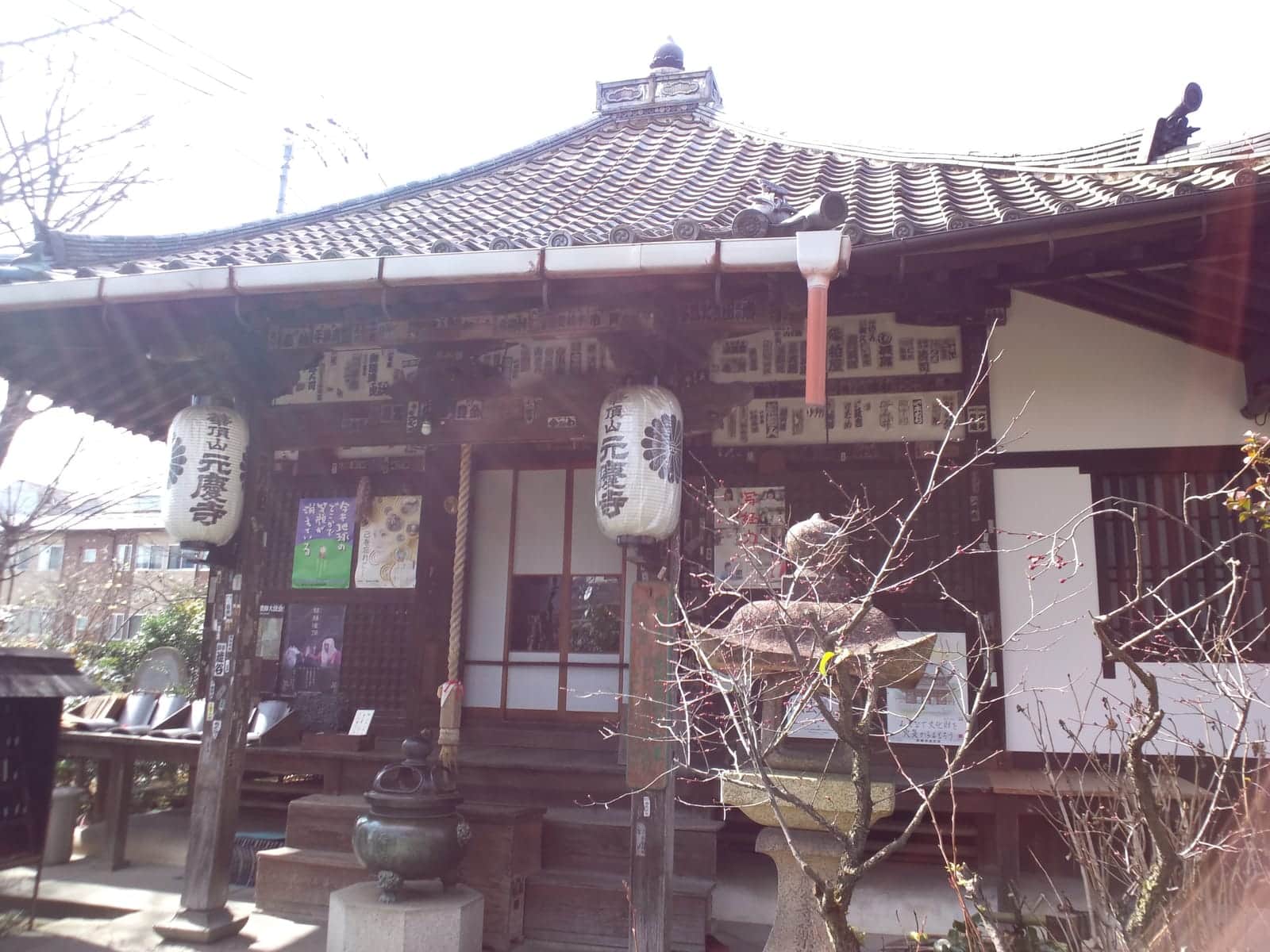
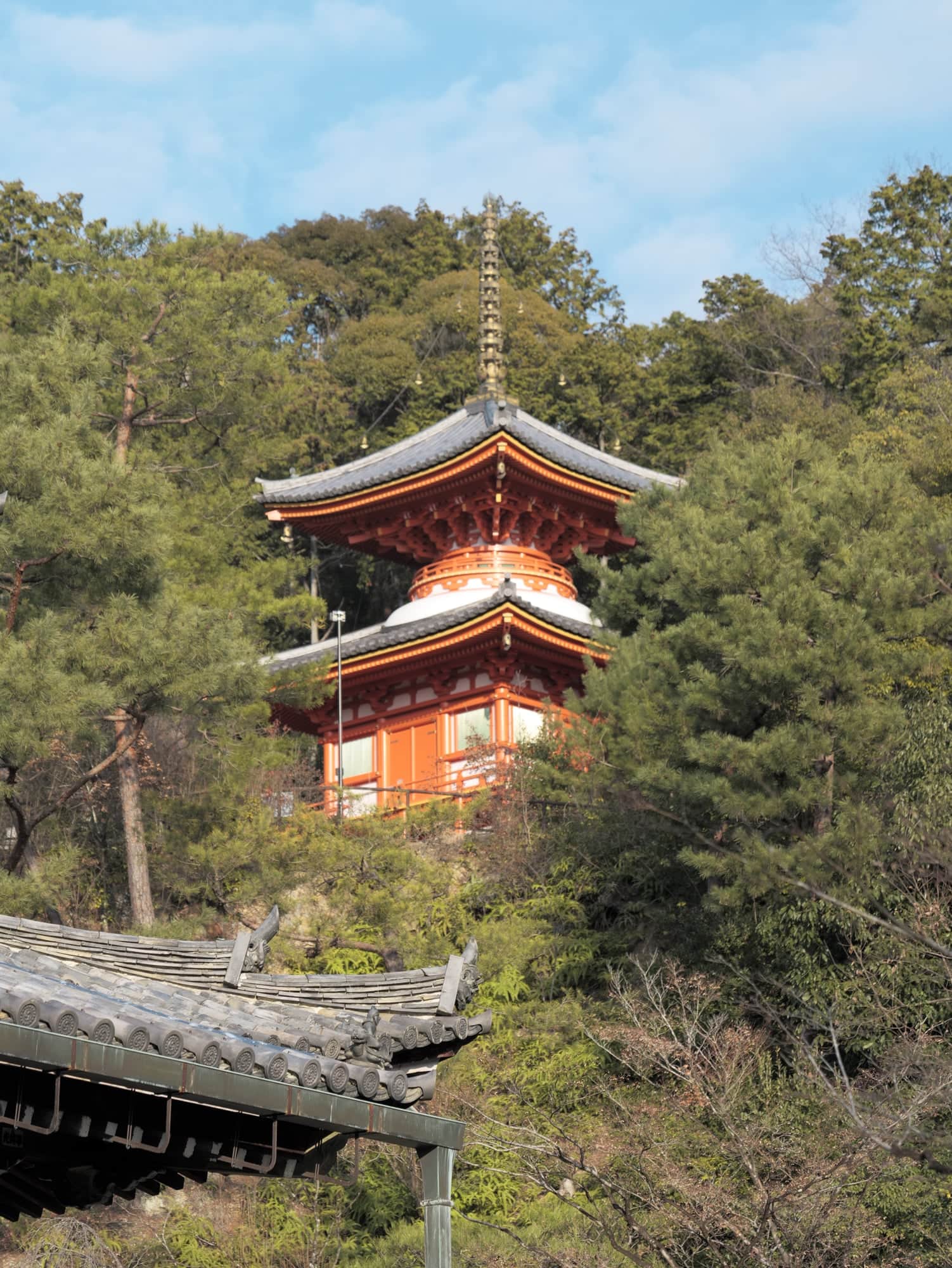
The complex spans lower, middle, and upper precincts on the mountain. Visitors encounter the grand Sanbō-in sub-temple with Momoyama-era architecture and gardens, the Kondō (Main Hall), the five-story pagoda, and the vermilion Bentendō by a pond. A steep trail leads to the Kami-Daigo upper precinct with early halls and mountain worship sites. The temple museum preserves an extensive collection of sculptures, mandalas, and documents, including National Treasures and Important Cultural Properties.
Daigo-ji’s principal image is Yakushi Nyorai, enshrined as a hibutsu (hidden Buddha), reflecting Shingon esoteric worship. The temple is the 11th stop on the Saigoku Kannon Pilgrimage, linking it to a wider devotional route across western Japan. Seasonal rituals, Buddhist ceremonies, and historical associations position Daigo-ji as a key locus of religious practice and cultural heritage in Kyoto.
Daigoji preserves over 150,000 cultural artifacts including 75,537 National Treasures, making it one of Japan's richest repositories of Buddhist art and historical documents.
Toyotomi Hideyoshi planted over 700 cherry trees here before hosting his legendary 1598 flower-viewing party, making it one of history's most lavish celebrations.
This temple offers 1 different goshuin designs
Same as opening hours
Regular
Main grounds and museum are wheelchair accessible. Some temple areas have steps. Accessible toilets available.
In addition to its permanent collection, special thematic exhibitions are also held seasonly, as well as art expositions in collaboration with contemporary artists
Wear comfortable walking shoes as the temple grounds are extensive and include many stairs.
The temple complex spans three distinct precincts across Mount Daigo, with a steep mountain trail required to reach the upper Kami-Daigo area, so allocate at least 3-4 hours for a full visit and wear sturdy hiking shoes if you plan to explore beyond the lower grounds.
Visit during cherry blossom season to experience the grounds where Toyotomi Hideyoshi held his legendary 1598 hanami viewing party, though expect significantly larger crowds during this peak period in early April.
Visit in February or early winter if you want to experience the temple's architectural and garden beauty without the overwhelming crowds that arrive for spring cherry blossoms.
If you want more than sightseeing, ask about Daigo-ji’s meditation sessions and seasonal rituals when you arrive. The temple invites visitors to join or watch monks, and its practice explains how it has lasted over 1,150 years.
If visiting during spring cherry blossom season (late March through early April), arrive by 8:30 AM or visit on a weekday to avoid the massive crowds that gather for the famous weeping cherry trees.
The divine spirits venerated at this sacred place
5 structures on the grounds
Fushimi, Kyoto Prefecture
Visit Duration
90+ minutes
More ways to continue from this place.
What this place is believed to grant
4 recent posts
5.0
2 reviews
Plan on at least 3 to 4 hours if you want to see the full complex, which spreads across three precincts on Mount Daigo. The lower grounds are manageable, but reaching the upper Kami-Daigo area means a steep mountain trail, so wear sturdy shoes. Early April draws large crowds for cherry blossom season, when the grounds come alive with the same scenery that Toyotomi Hideyoshi chose for his famous 1598 hanami party.
Beyond the seasonal spectacle, the site also hosts rotating thematic exhibitions and occasional collaborations with contemporary artists, so there may be something extra to see depending on when you visit.
 MM
MMMarcus Mok checked in
Daigo-ji
Fushimi, Kyoto
 AP
APAlessia Petringa shared a goshuin
Within 300 m Within 600 m