
On this page
For a first Japan trip, settle entry requirements, your route, accommodation, phone data and payment before choosing every meal or attraction. These answers cover the questions that affect those decisions.
Planning questions
| Question | Practical answer |
|---|---|
| How long? | Five or six days suits one region; seven to nine nights can fit Tokyo plus Kyoto or Osaka. Count usable nights and hotel changes. |
| Rail pass? | For a simple Tokyo–Kyoto return, start with individual tickets. Use the worked rail-pass comparison for your route. |
| Cashless? | Bring yen and a backup card. Some shops, buses and machines need cash; see Seven Bank ATMs. |
| Reserve early? | Peak-date rooms, ryokan meals and limited-capacity attractions. Check release dates and cancellation terms. |
| English? | Signs, translation tools and staff can help. Save Japanese addresses and important details offline. |
In the app: In Goshuin Atlas on iPhone or iPad, start with one day in your trip plan. Bookmark this guide to return to these questions as you choose dates, hotels and transport.
Entry and arrival
Do I need Visit Japan Web? It is a free way to prepare arrival procedures online; it is not a visa. Start with the official service and check your nationality’s entry requirements with Japan’s Ministry of Foreign Affairs.
Can I bring my medication? Check the active ingredient, quantity and any approval needed using MHLW’s import guidance. A prescription from home does not establish permission to import it.
On arrival: Set up data and check the route to your hotel before leaving the airport. Allow time for immigration, baggage and customs before an onward reservation.
Is an IC card a rail pass?
No. A Suica, PASMO or another compatible IC card is a way to pay eligible fares and small purchases. You add money and spend it as you go. It does not turn an ordinary local-train journey into an unlimited pass, and its balance alone is not a Shinkansen ticket. See IC Cards in Japan before choosing a physical or phone-based card.
Welcome Suica is the visitor version of Suica. It pays eligible fares and purchases; it is not a rail pass.
Photo: Ravi Dwivedi / Wikimedia Commons, CC BY-SA 4.0. Resized for this guide.
Trains and luggage
Can I send my suitcase ahead? Often, but first confirm the destination accepts it and the operator’s delivery date fits your stay. Carry what you need until it arrives. Use our luggage-forwarding steps and company comparison; airport delivery has separate advance deadlines.
Do trains run all night? Most do not. Check the last service for your exact route. If you miss it, compare a taxi with nearby accommodation.
Food and everyday customs
Do I tip? Tipping is not normally expected. Pay the stated bill, including any disclosed service or seating charge.
Can I eat safely with an allergy? Discuss a travel plan with your clinician and bring a clear Japanese allergy card. Confirm ingredients and cross-contact with each venue. A translation app, food photo or “vegan” label cannot establish allergy safety.
What if I make an etiquette mistake? Follow signs, queues and staff instructions. Keep calls off trains and remove shoes where asked. A simple apology and correction are usually enough.
When something goes wrong
Call 119 for an ambulance or fire and 110 for police. Give your location first. For travel disruption, check the operator’s official updates and tell your hotel if you will be late. Save JNTO’s emergency guidance before departure.
For a preparation checklist, start with Start Here Before Your First Trip.
Related guides: Visit Japan Web: Registration, QR Code and Arrival (Pro); First Trip to Japan: Common Mistakes to Avoid.
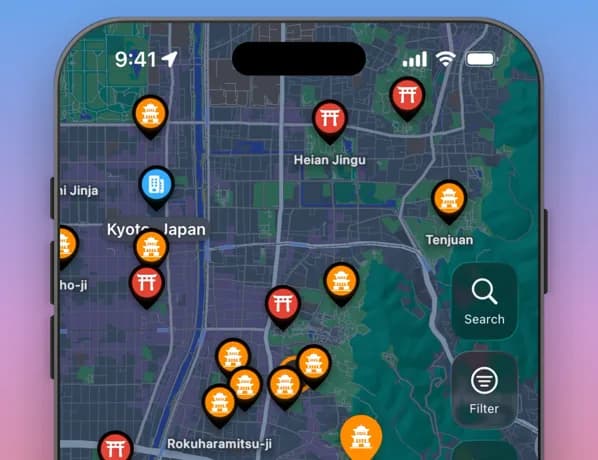

Goshuin Atlas
Discover temples and shrines near you, collect goshuin, and remember every visit with the free iOS app.

Explore Related
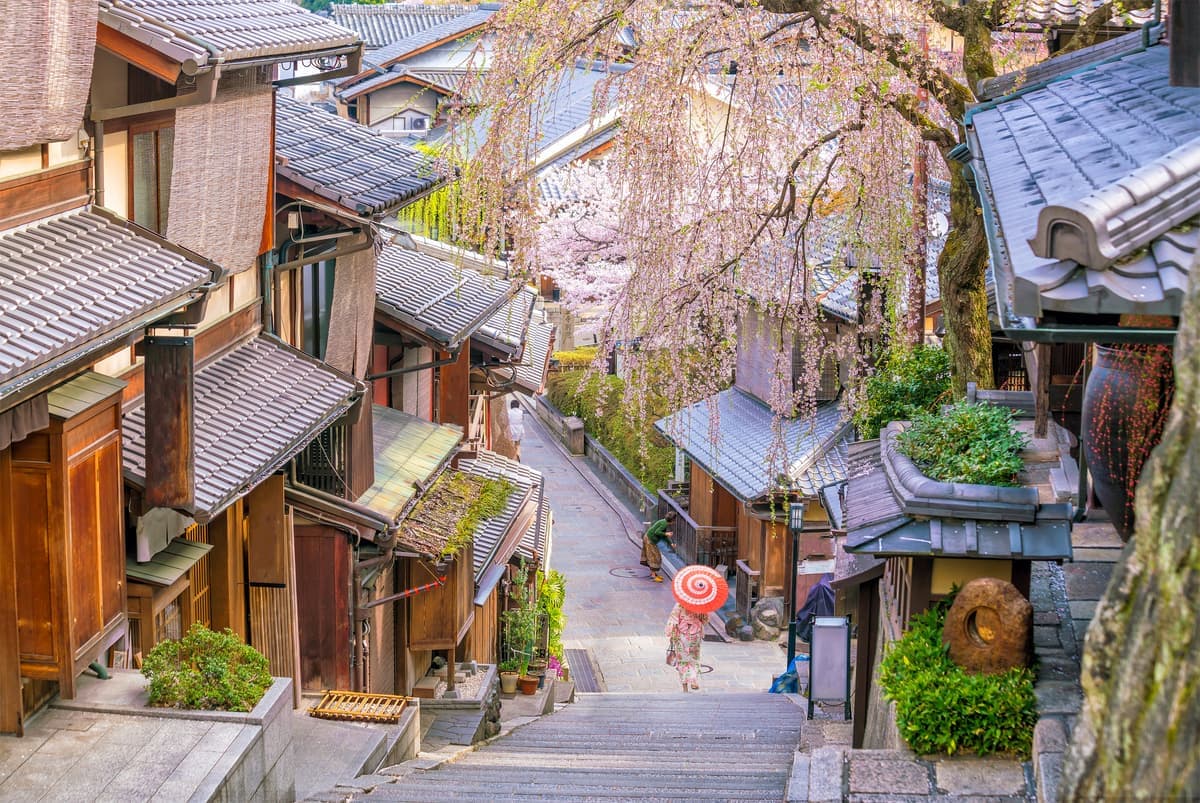
First Trip to Japan: What to Prepare Before You Fly
Plan your first trip to Japan: arrival documents, phone data, cash, IC cards, airport transport and an easy first evening.
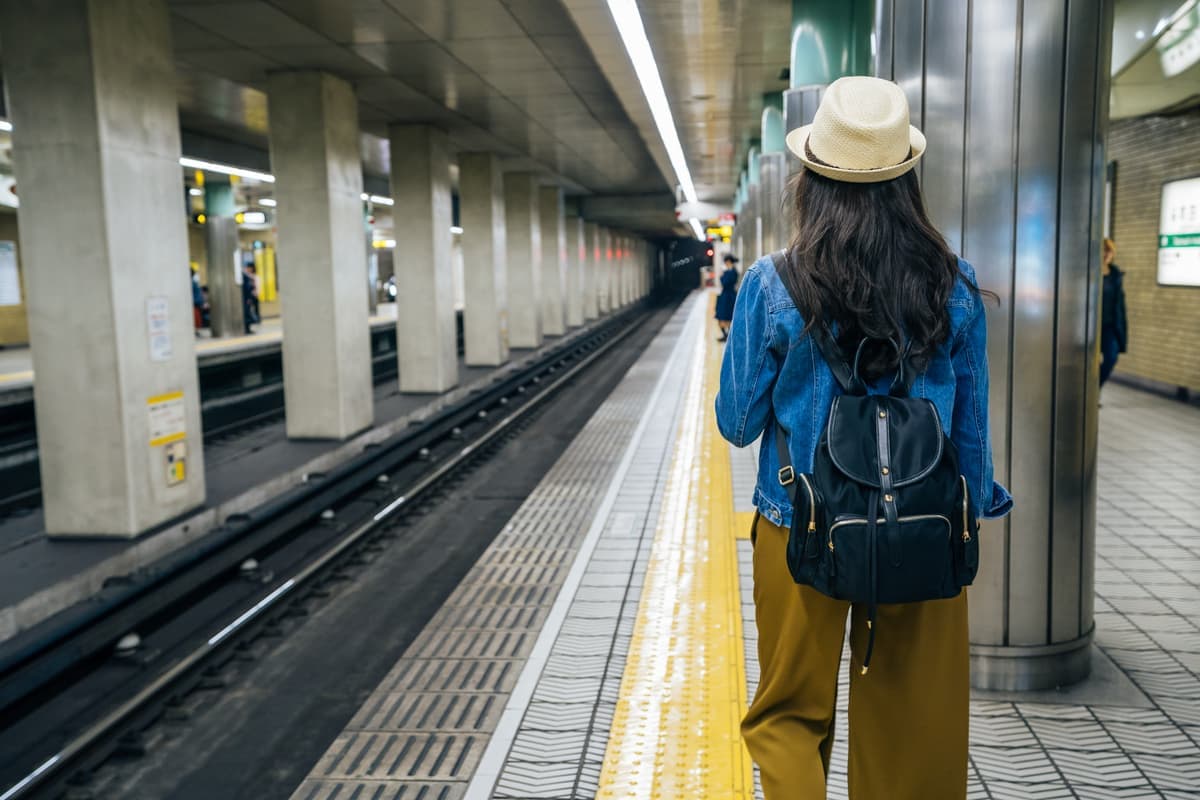
First Trip to Japan: Common Mistakes to Avoid
Avoid common first-trip mistakes in Japan: rushed routes, unsuitable rail passes, too much luggage and missing arrival preparations.