
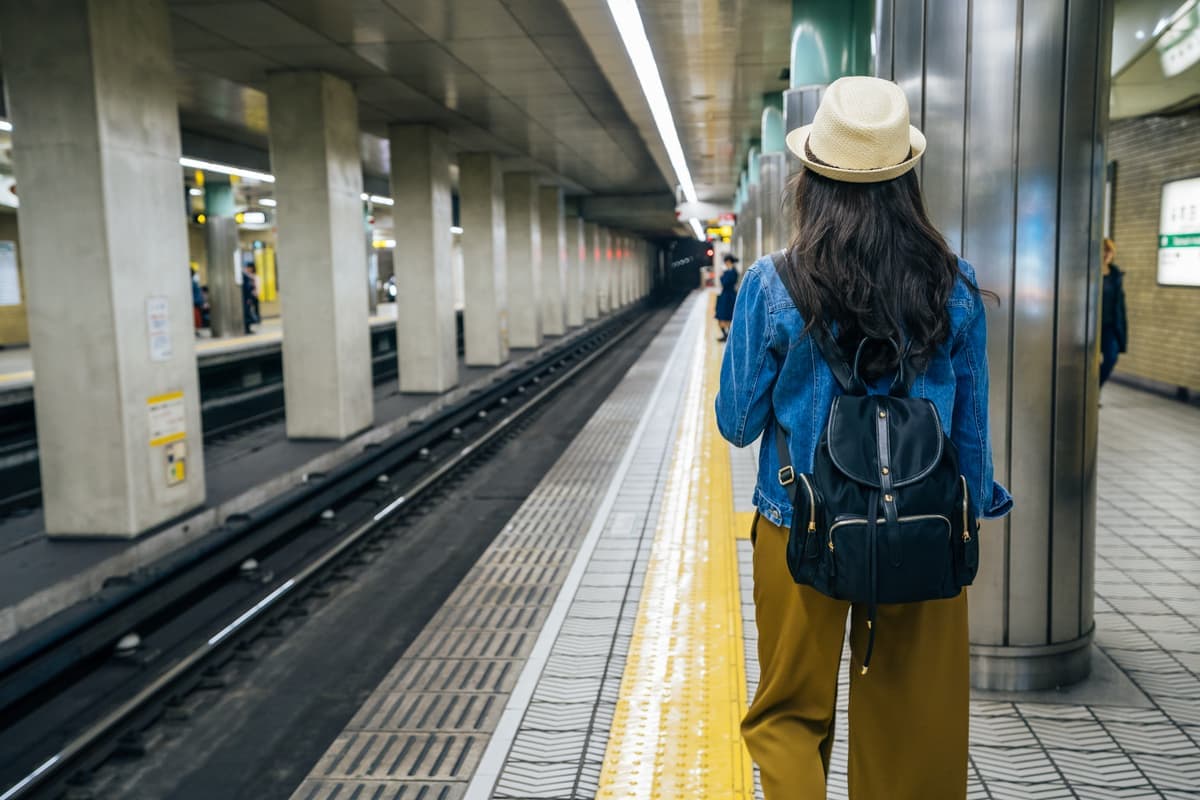
The easiest first-trip problems to prevent are rushed hotel changes, difficult station transfers, too much luggage and missed deadlines. Make these checks before booking, then keep space in the day for queues, meals and rest.
| Avoid | Do this instead |
|---|---|
| A new hotel every night | Use two or three bases; each hotel change takes time. |
| Sightseeing straight after landing | Reach the hotel, eat, take a short walk and sleep. |
| Buying a rail pass by habit | Price your actual journeys and check covered lines. |
| A suitcase you struggle to carry | Pack less; use a locker or luggage forwarding when useful. |
| Relying on one famous restaurant | Keep a nearby fallback for queues or closures. |
| Trusting “near the station” | Check the exit and walk to the hotel, not just the map pin. |
The five fixes to make before booking
- Check Visit Japan Web and your nationality’s entry requirements.
- Choose the first hotel and airport route together; save the Japanese address.
- Decide data, money and a backup payment method.
- Price the actual train route in the JAPAN RAIL PASS calculator/official fare information.
- Pack one night separately and decide whether to carry, lock or forward the large bag.
On arrival: Do not add a second airport, a distant dinner and a complicated transfer to the first evening. Your first win is reaching the hotel with a working phone and enough energy to sleep.
In the app: Use your trip in Goshuin Atlas on iPhone or iPad to keep each day realistic: group nearby stops and leave room for meals and transfers. Start with a short day rather than filling every hour.
Mistakes that happen on the day
Missing the last train: check the final practical connection before dinner. Japan has late trains, not all-night trains. If it is tight, leave early or budget for a legitimate taxi.
Ignoring crowds: Golden Week, Obon and New Year affect rooms, transport and opening patterns. Check JNTO’s peak-season FAQ before making a non-refundable route.
Dietary needs: use Food Allergies in Japan (Pro) and confirm the venue directly.
Following a street tout: choose a place with visible prices and a menu; leave when the price or destination changes.
Forcing a weather plan: use the JMA forecast and move outdoor viewpoints when typhoon, heat or snow makes the route unsafe.
Watch out: “Japan is efficient” does not mean every train, hotel, restaurant or attraction is flexible. Deadlines and capacity limits are real; save the operator’s exact instructions.
Recover without losing the trip
- Too much planned? Remove the furthest sight, not lunch or sleep.
- Too much luggage? Use Luggage Forwarding Guide (Pro) or Coin Lockers in Japan (Pro).
- Wrong pass? Buy the next ticket you actually need; do not keep travelling to justify a sunk cost.
- Lost in a station? Ask staff before exiting the gates.
- Feeling ill? Contact the hotel, insurer or Emergency Information in Japan early.
Related guides: Japan Travel FAQ: Answers for First-Time Visitors; Visit Japan Web: Registration, QR Code and Arrival (Pro).