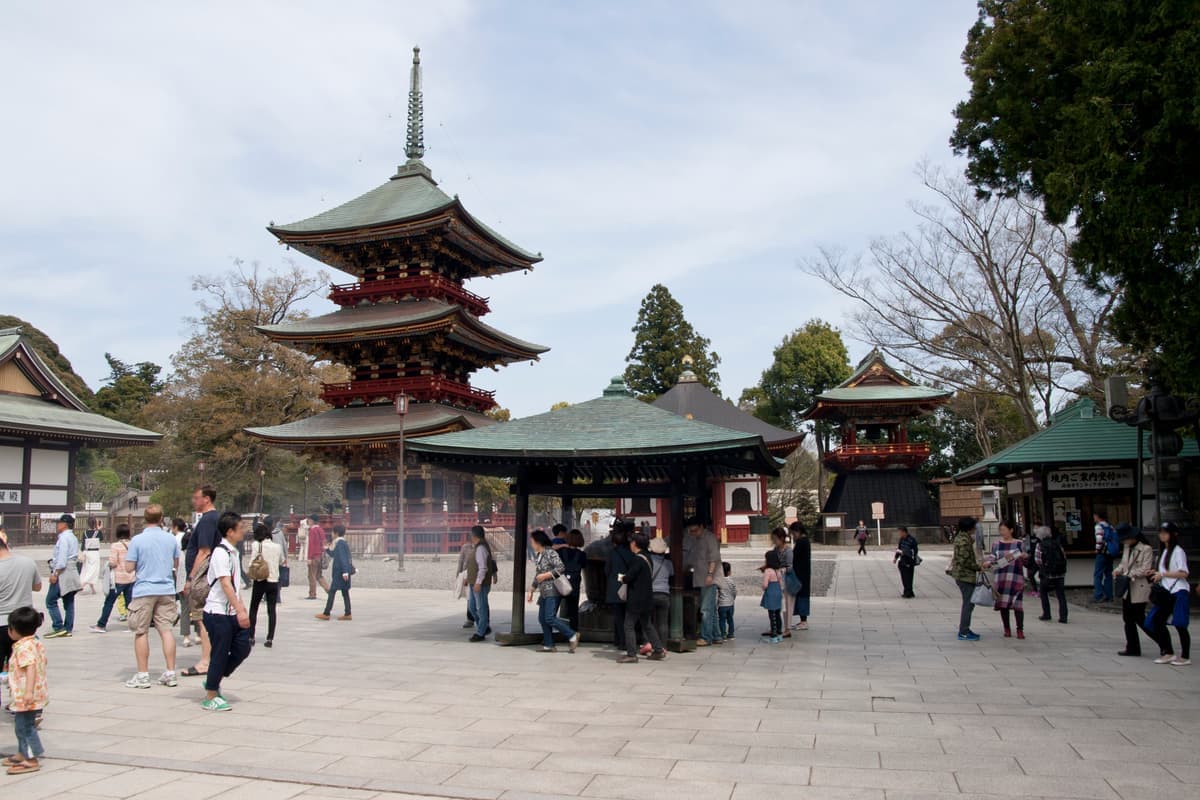
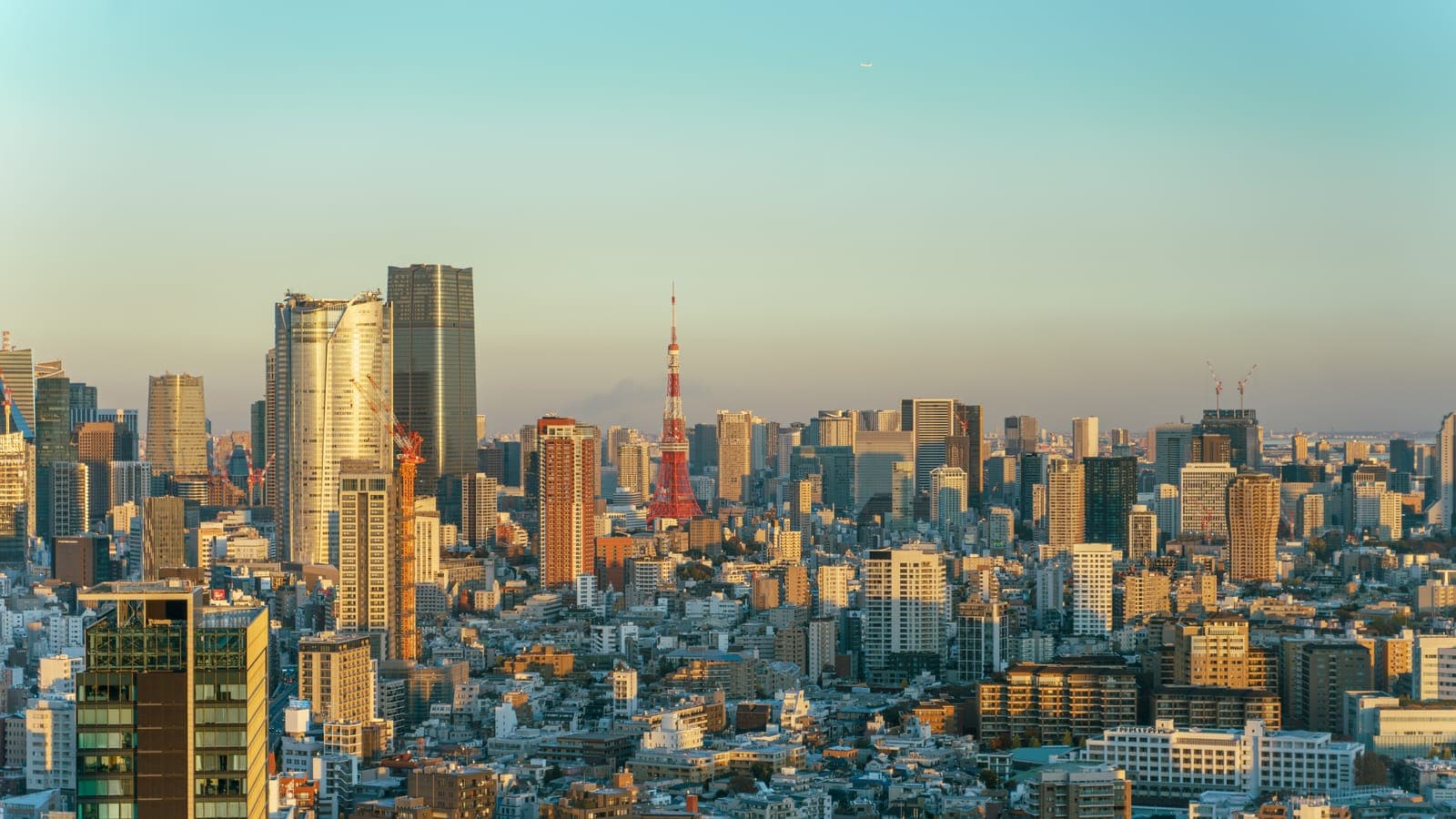
Chiba Prefecture (千葉県) is in the Kanto region of eastern Japan, facing Tokyo Bay and the Pacific Ocean. It is known for Narita-san Shinsho-ji Temple, the coastal areas of the Boso Peninsula, and the modern cityscape around Chiba City and the Tokyo Disney Resort area.
Enpukuji is a Shingon Buddhist temple at 4620 Rue SaintDominique in Montreal, Canada, near the city’s Plateau district. Its recorded founding date is 900, and it serves as a place of Buddhist worship and cultural continuity, reflecting the long history...
Hirohata Hachimangu (廣幡八幡宮) is a Buddhist temple in chiba. Set within an urban neighborhood, it serves as a local place of Buddhist worship and a useful cultural stop for visitors exploring the area's community temples and everyday religious landscape.
Seichoji is a Nichiren Buddhist temple on Mount Kiyosumi in Kamogawa, Chiba, founded in 771. It is where Nichiren trained as a young monk and first chanted Namu Myoho Renge Kyo in 1253, making it one of the sect's four sacred temples. The grounds feature a...
Nobuto Shrine is a Shinto shrine located in Chuo Ward, Chiba City. This local shrine serves the community with traditional worship services and seasonal festivals. The shrine maintains regular hours for visitors seeking blessings and spiritual guidance.
Nagodera is a Shingon temple in Tateyama, Chiba, set near the coast in the Boso Peninsula. Tradition dates its founding to 717; it is known for its long religious history and for drawing visitors to a temple linked with the area’s Buddhist heritage.
Sumiyoshi (住吉神社) is a Shinto shrine. Set within an urban neighborhood, it serves as a local place of Shinto worship and a useful cultural stop for visitors exploring the area's community shrines and everyday religious landscape.
Tanjoji in Kominato, Kamogawa, Chiba is a Buddhist temple associated with Nichiren’s birth. Located at 183 Kominato, it is a major local landmark and pilgrimage site in coastal Kamogawa, drawing visitors for its religious history and sightseeing value.
Why you should go
Tanjoji marks the birthplace of Nichiren (1222-1282), one of Japan's most influential Buddhist monks who founded an entire school of Buddhism that bears his name.
The Japanese description calls Tanjo-ji an 'important temple' that still conveys the area's historical origins and living local faith today.
The temple's grand wooden gate is flanked by dramatic rows of stone lanterns, a striking feature dating back to the 18th century reconstruction.
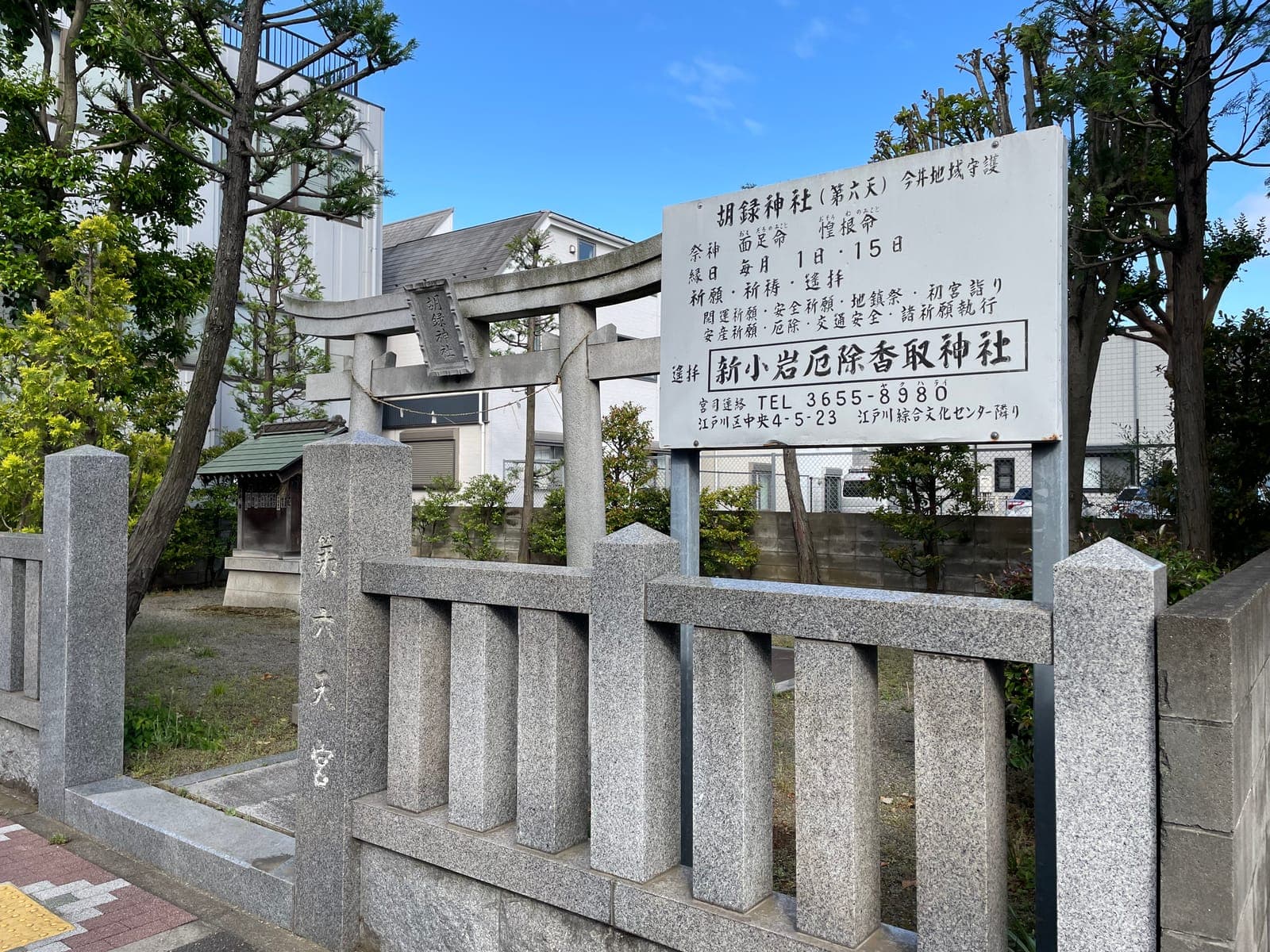
Koroku (胡録神社) is a Shinto shrine. Set within an urban neighborhood, it serves as a local place of Shinto worship and a useful cultural stop for visitors exploring the area's community shrines and everyday religious landscape.