Admission
Not confirmed
At a Glance
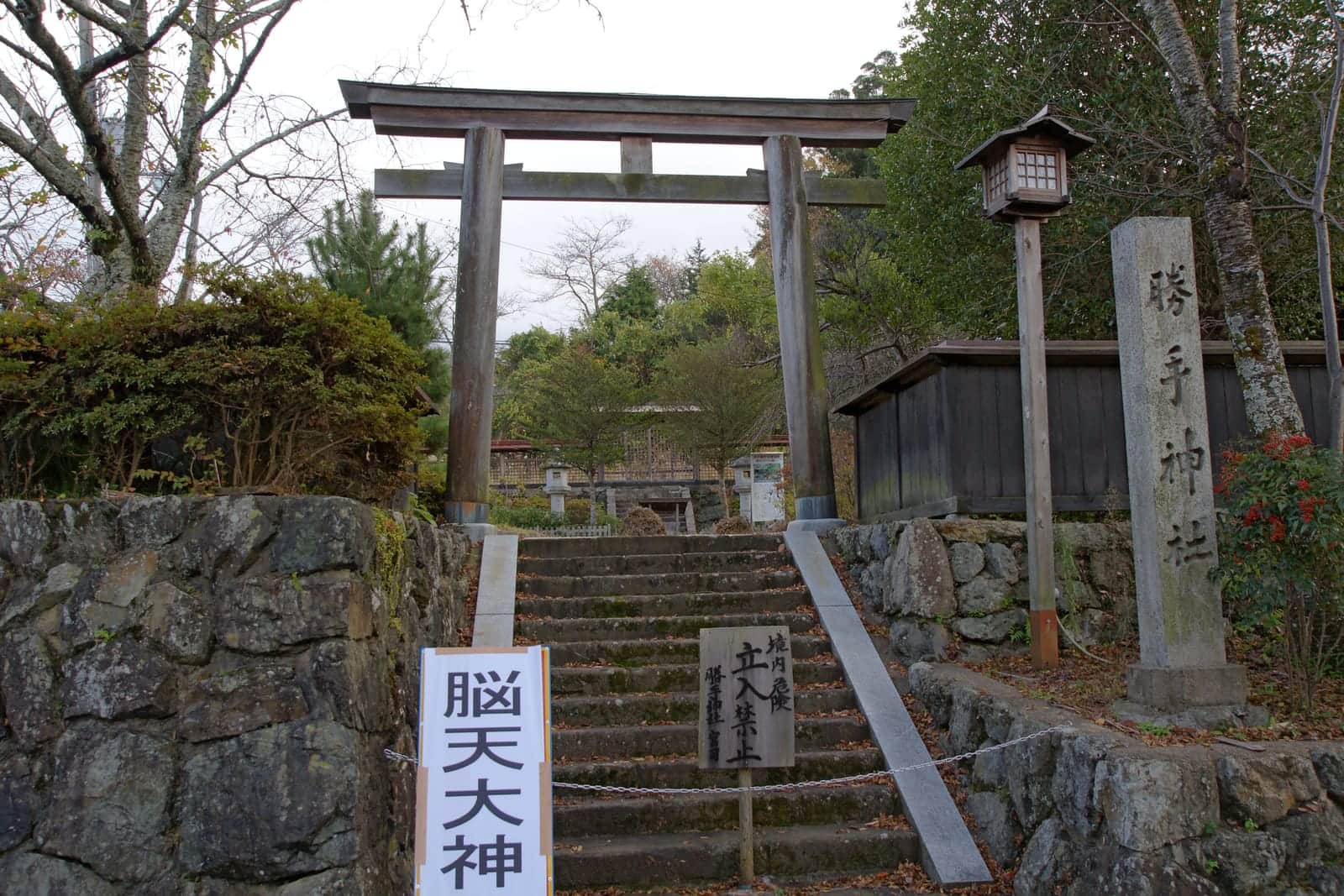
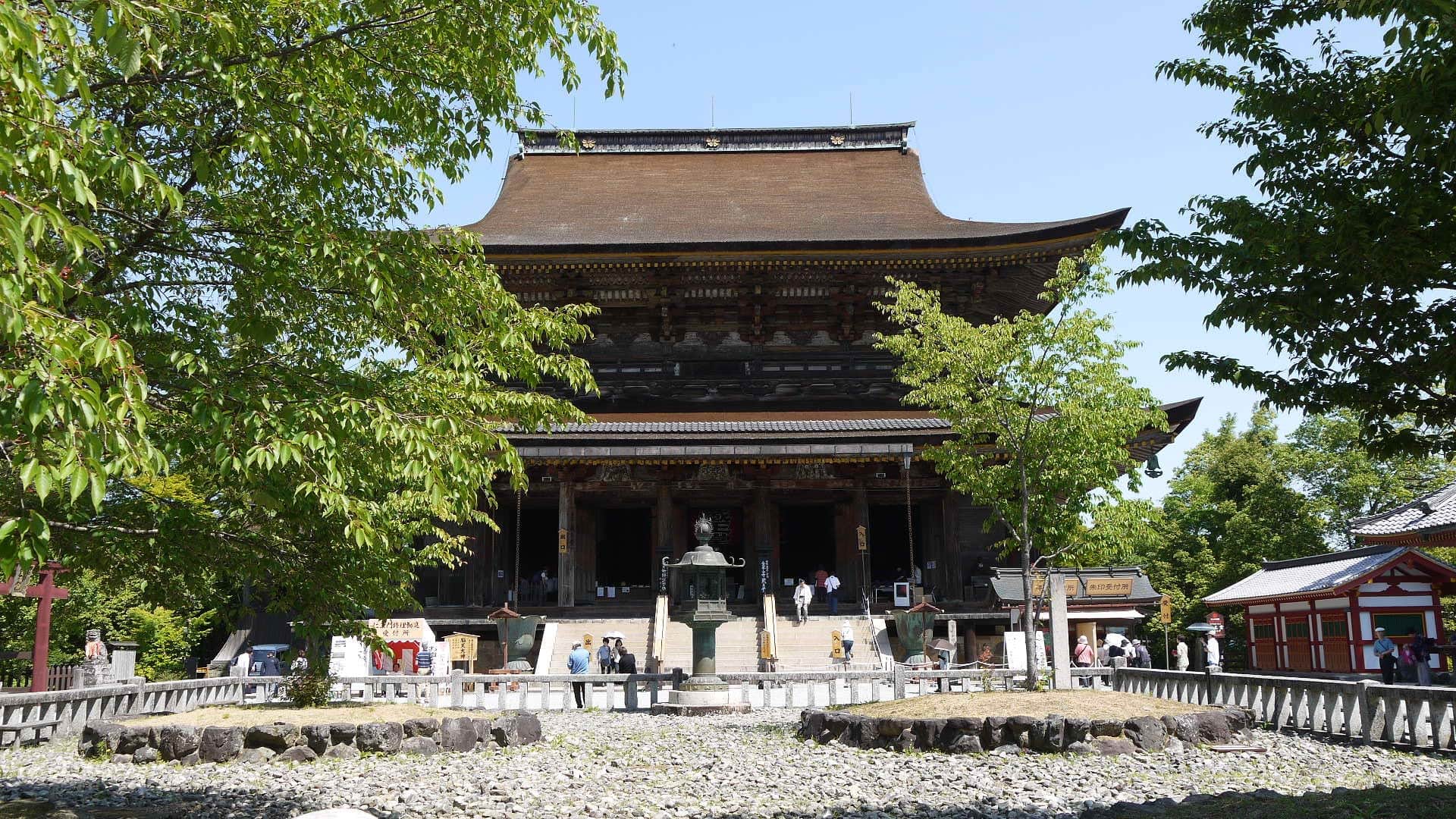
Every April, the shrine hosts a little-known festival called 'Taue' (rice planting) on its wooden performance stage, connecting the water goddess to agricultural fertility.
A mysteriously lifelike wooden owl sculpture sits near the shrine's exit, and no one knows how it got there or who carved it.
This shrine offers 1 different goshuin designs
Same as opening hours
Regular
Not confirmed
Facilities
Arrive by mid-afternoon since the shrine closes at 16:00 (17:00 only in April), and the forest canopy gets quite dark as evening approaches.
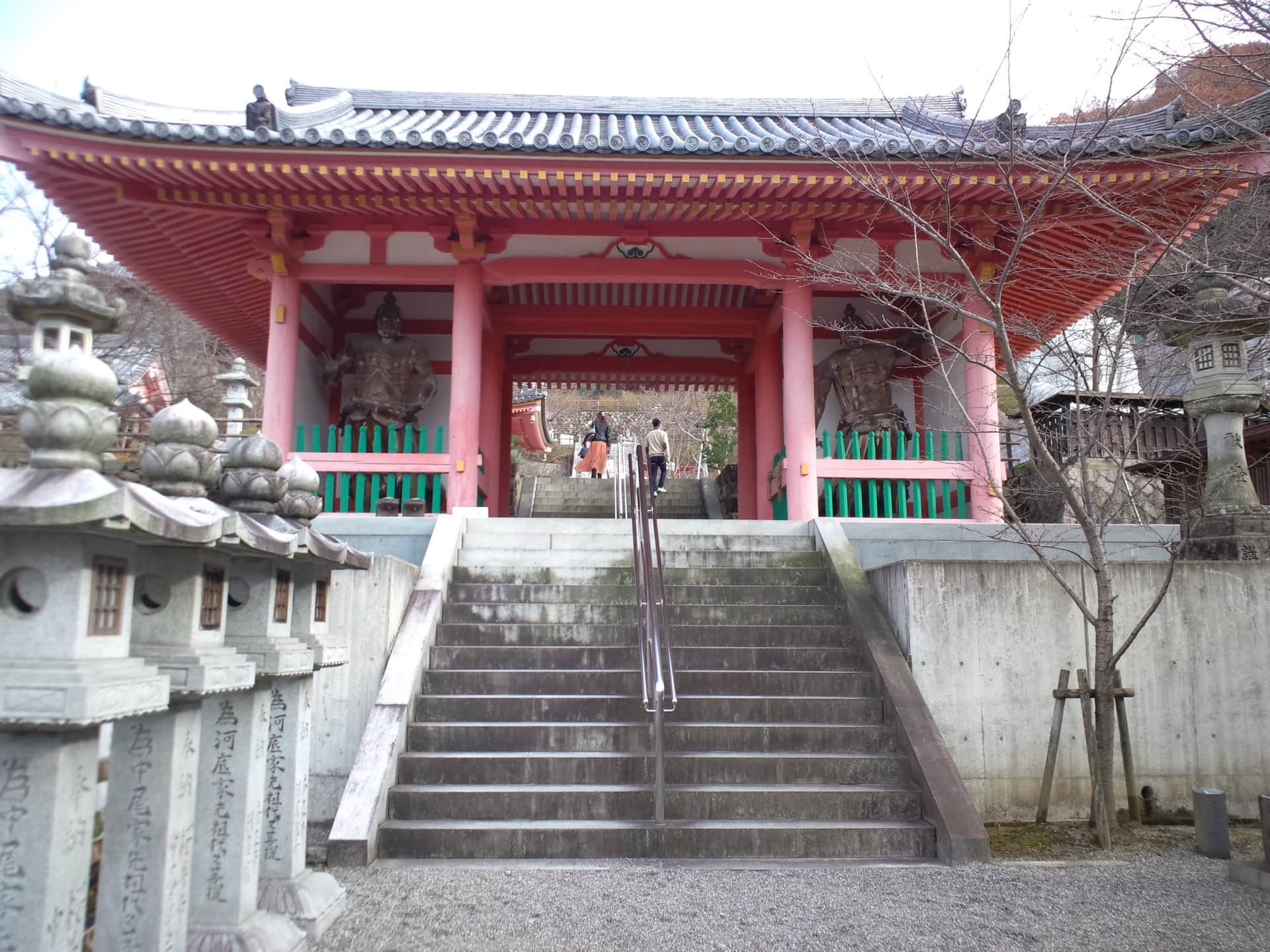
Plan for a 70-minute uphill walk from Yoshinoyama Station if arriving by ropeway, so wear sturdy hiking boots with good ankle support rather than casual sneakers.
If you're praying here, understand that many visitors come specifically to pray to Ameno Mikumari for fertility and safe childbirth, so approach the main altar with quiet reverence and avoid loud conversations.
Look for the mysterious wooden owl sculpture near the shrine's exit, which locals say appeared mysteriously with no documented origin. Take a moment to examine its unusually lifelike carving, as it's a small detail many visitors miss while leaving.
More ways to continue from this place.
Within 300 m Within 600 m
Takatori, Nara Prefecture
0 recent posts
Share how your visit was to help other travelers.
No public community posts yet.