Admission
Not confirmed
At a Glance
The shrine is dedicated to Sugawara no Michizane, the same deity honored at Kitano Tenmangu in Kyoto, making it one of approximately 12,000 Tenjin shrines scattered across Japan.
The shrine's position across the Hatsuse River from Hōki-in temple reflects a unique arrangement where Shinto and Buddhist sacred spaces coexist as complementary spiritual sites rather than separate institutions.
This shrine offers 1 different goshuin designs
Regular
Not confirmed
Visit on a weekday morning before 9 AM to experience the shrine grounds with minimal crowds, allowing you to appreciate the historic architecture and peaceful atmosphere without jostling with other visitors.
If you visit during the Kayadani Festival, expect the portable shrine (omikoshi) to be carried down and up the 137 steep stone steps by local men, so plan your visit accordingly if you want to witness this dramatic annual ritual.
Wear sturdy, comfortable shoes since the shrine sits on a hillside with stone steps leading up to the main buildings, and the grounds can be uneven or slippery depending on weather conditions.
Plan to spend time exploring the nearby Hase-dera temple complex across the Hatsuse River, as Yoki Tenman Jinja was historically the guardian shrine of Hase-dera and the two sites are deeply connected spiritually and architecturally.
Bring cash for any amulets or offerings you wish to purchase, as shrine shops typically operate during standard business hours and may have limited payment options.
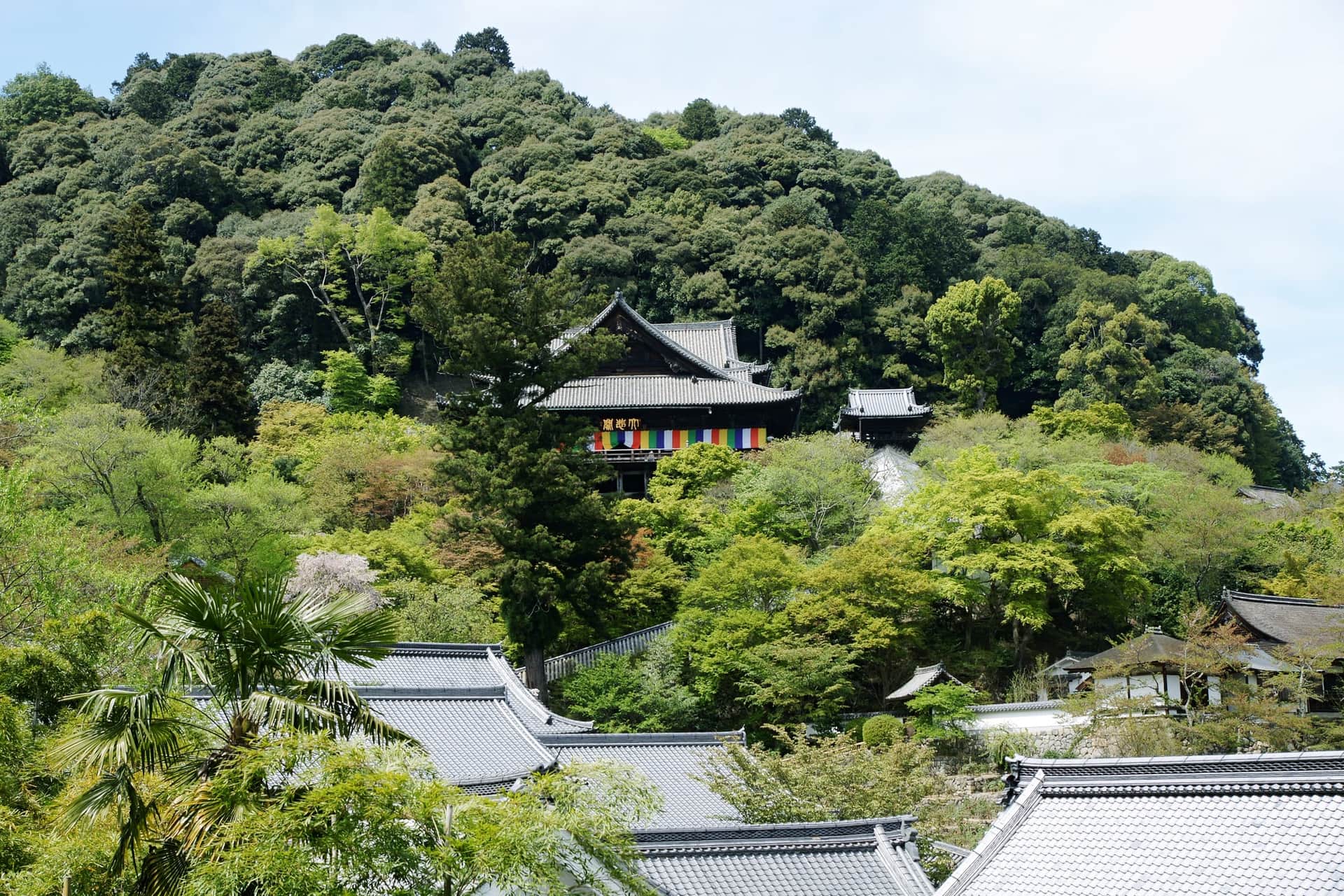
Take time to observe the shrine's unusual architectural details, particularly how the karahafu gabled roof sits higher on the main roof than typical shrines due to the building's original construction on a narrow cliff-edge plot of land.
Seasonal celebrations and special occasions
Sakurai, Nara Prefecture
Within 300 m Within 600 m
More ways to continue from this place.
0 recent posts
Share how your visit was to help other travelers.
No public community posts yet.