

Shirayama Hime Shrine okumiya
Inner Shrine
At a Glance
The shrine's crest features a gourd flower inside a three-tiered hexagon. Gourds were so rare in ancient times that they were reserved as offerings to the gods, while the tortoiseshell pattern symbolizes longevity and multigenerational prosperity.
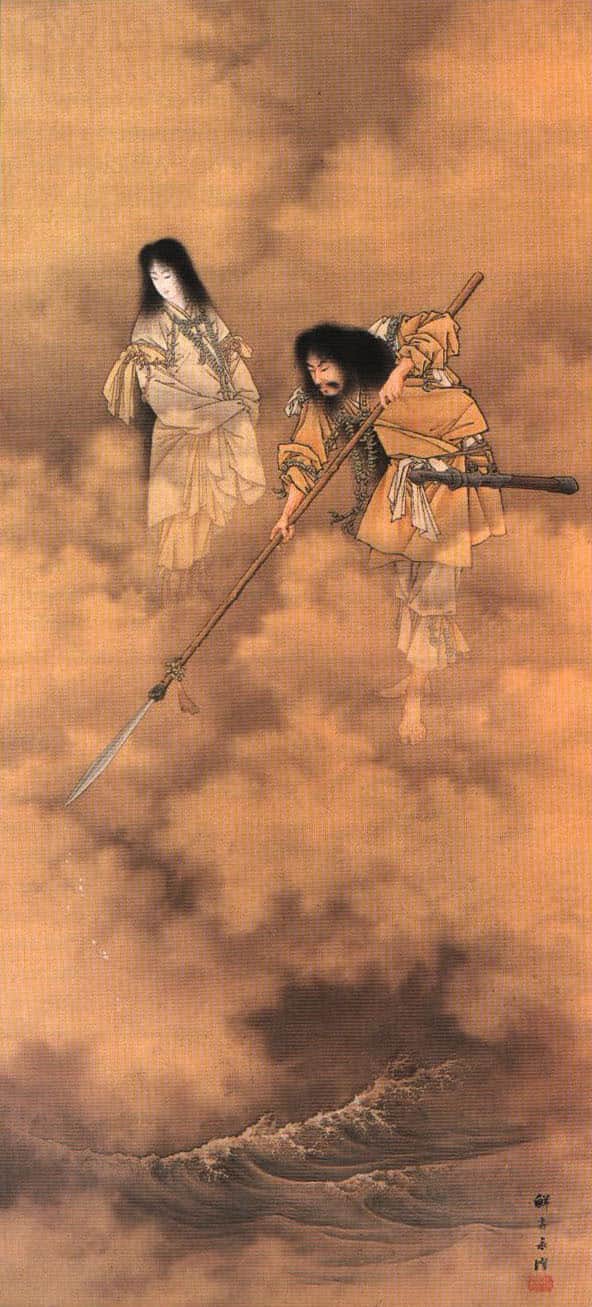
The shrine's deity Kukuri-Hime literally means 'to tie' or 'to bind,' making her the goddess of matchmaking who once helped creator gods Izanagi and Izanami reconcile their marital argument at the entrance to the underworld.
This shrine offers goshuin, but we don't have photos yet. Be the first to share yours!
Facilities
The divine spirits venerated at this sacred place
1 structures on the grounds
Seasonal celebrations and special occasions
More ways to continue from this place.
Not confirmed
Kanazawa, Ishikawa Prefecture
What this place is believed to grant
0 recent posts
Share how your visit was to help other travelers.
No public community posts yet.