
Admission
Free
At a Glance
In early summer, hangesho plants by the pond turn their leaves white as if blooming, a rare botanical phenomenon that triggers special garden viewings from June through mid-July each year.
This sub-temple of Kyoto's oldest Zen temple stays closed to the public year-round except during meditation sessions, sutra copying experiences, and two brief seasonal openings for garden viewing.
This temple offers 4 different goshuin designs
Regular
¥500
Regular
¥500
Regular
¥500
Regular
Free
Facilities
Shopping
Experience
If you are interested in Buddhist practice, consider the extended meditation options: a 1.5-hour session with monastic vegetarian lunch for 2,500 yen, or a 2-hour session combining zazen with yoga and breathing exercises for 3,000 yen.
Check ahead for special opening dates; Ryosoku-in is usually closed and opens mainly for seasonal garden viewings and Zen experiences.
Plan your visit around a zazen meditation or sutra-copying session if you want entry beyond garden viewing periods.
Book your zazen meditation experience at least three days in advance through the official website, as sessions fill up quickly and require reservations.
Visit in early summer to catch the seasonal hangesho foliage, one of Ryosoku-in's best-known highlights.
Visit during early summer (June to mid-July) to see the rare hangesho plants by the pond, whose leaves turn white as if blooming. This special garden viewing period requires a 1,000 yen admission fee for adults.
Choose Ryosoku-in for a quieter temple visit; its calm garden and limited public access suggest a more tranquil atmosphere than always-open sites.
Visit the Bishamonten Hall in the corner of the temple grounds to see the tiger decorations including the A-un Tiger statues, incense burner, and lanterns.
The temple is usually closed to the public and only opens during special viewing periods (typically June 1 to mid-July for hangesho garden viewing and New Year season for fusuma paintings) or for pre-booked meditation and sutra-copying experiences, so check the official website schedule before planning your visit.
Fascinating facts about this place
In early summer, hangesho plants by the pond turn their leaves white as if blooming, a rare botanical phenomenon that triggers special garden viewings from June through mid-July each year.
This sub-temple of Kyoto's oldest Zen temple stays closed to the public year-round except during meditation sessions, sutra copying experiences, and two brief seasonal openings for garden viewing.
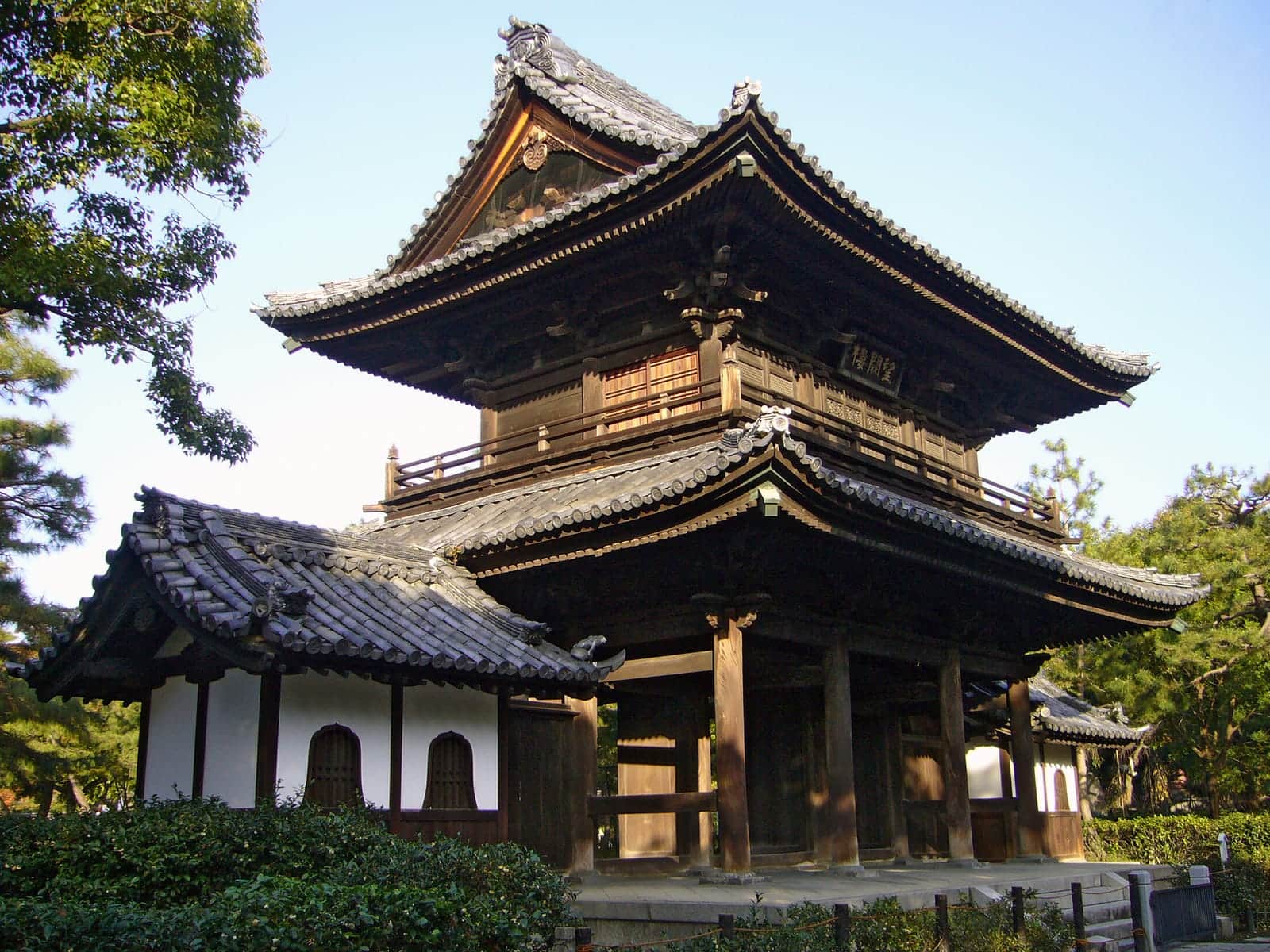
Ryosoku-in is a Zen Buddhist sub-temple of Kennin-ji, one of Kyoto's major Zen temple complexes in Gion.
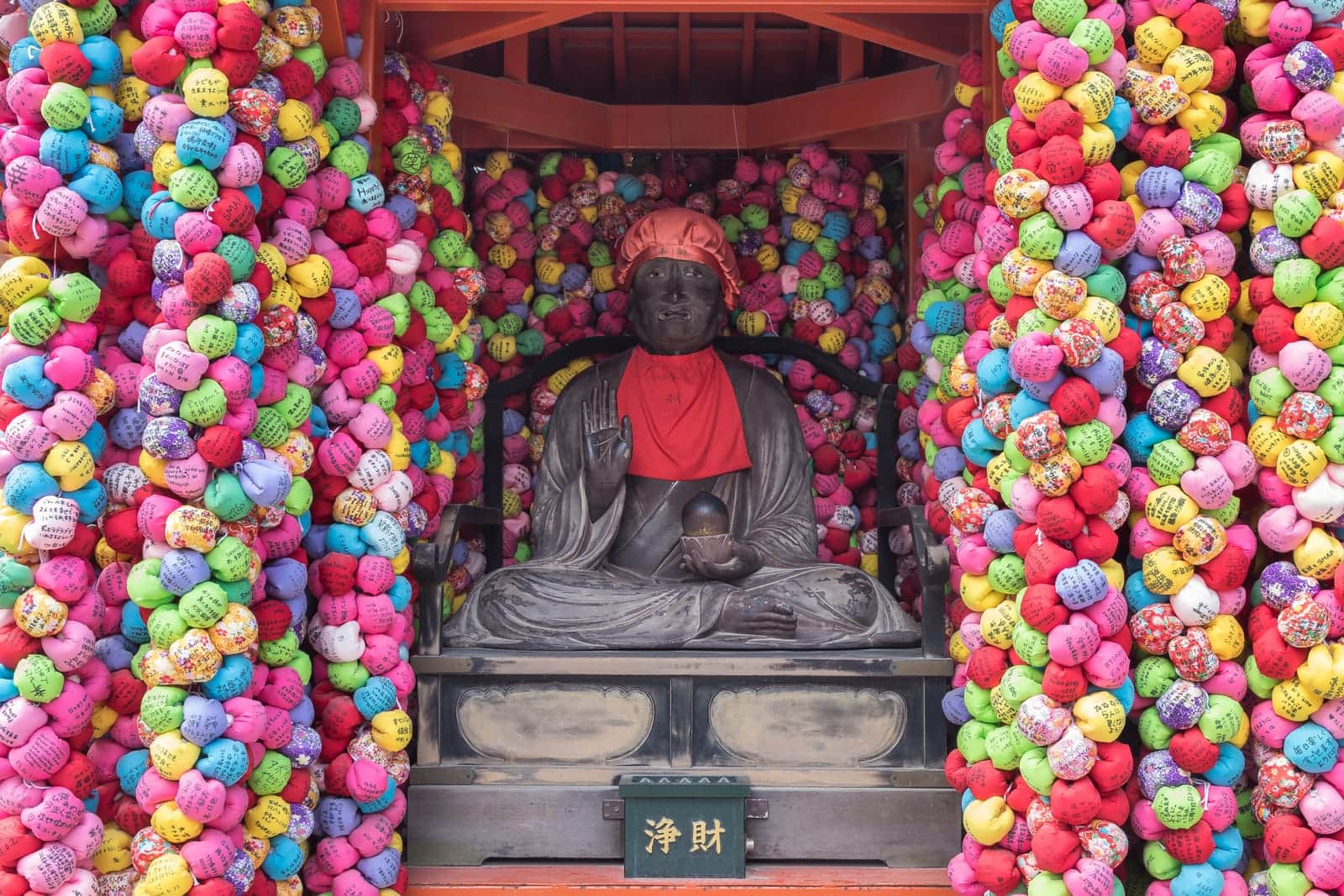
The Bishamonten statue here escaped Oda Nobunaga's burning of Mt. Hiei in 1571 and was later owned by warlord Kuroda Nagamasa, making it a rare survivor of one of Japan's most destructive battles.
More ways to continue from this place.
Share how your visit was to help other travelers.
Within 300 m Within 600 m

KT387-J'fort祇園四条
docomo bike share
KT384-第8パールハイツ安井 (安井神社入口前)
docomo bike share
KT385-第8パールハイツ安井 (B1F 地下駐輪場)
docomo bike share
Renting needs the operator's app and a Japanese phone number. docomo day passes are sold at convenience stores. Data sources
Higashiyama, Kyoto Prefecture
4 recent visits and photo contributions
 MF
MFMassimiliano Fraulini shared a goshuin
 SPPro member
speedymajuPro checked inLocation matched