Admission
Not confirmed
At a Glance
The temple released an official theme song in 2010 called 'Tera zukkyun! Ai no Ryōhō-ji!' under its own record label created with music ensemble IOSYS, complete with a voice actress cosplaying as Benzaiten.
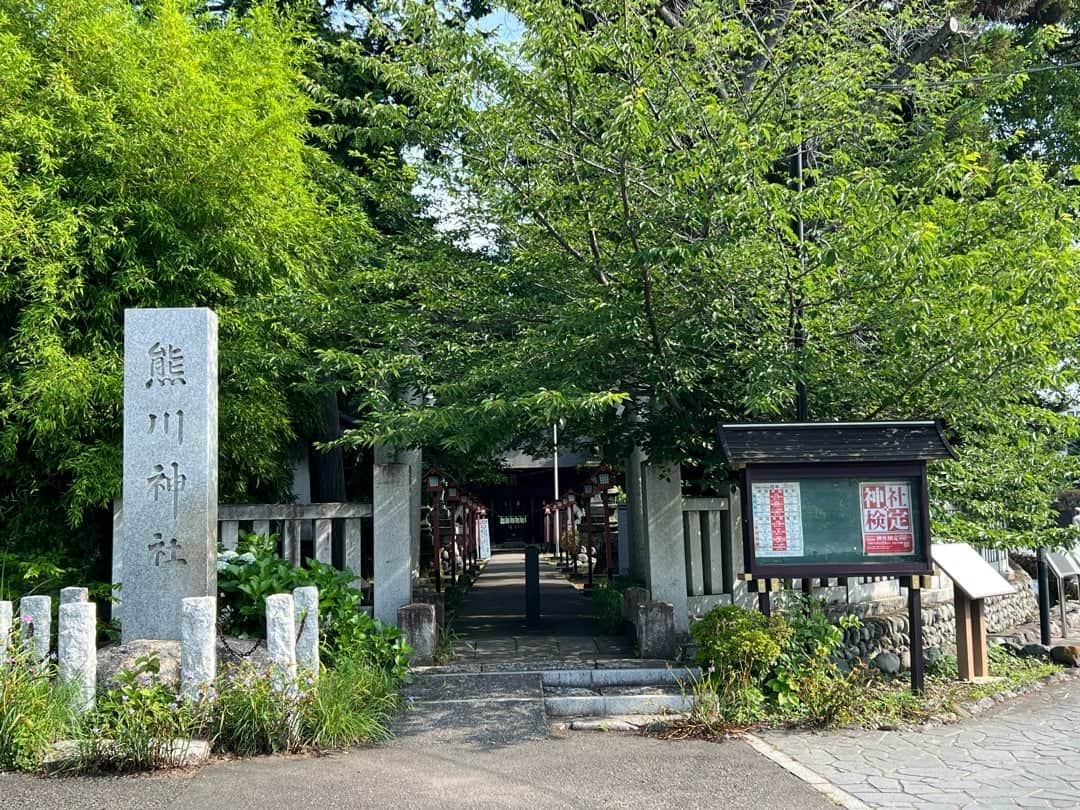
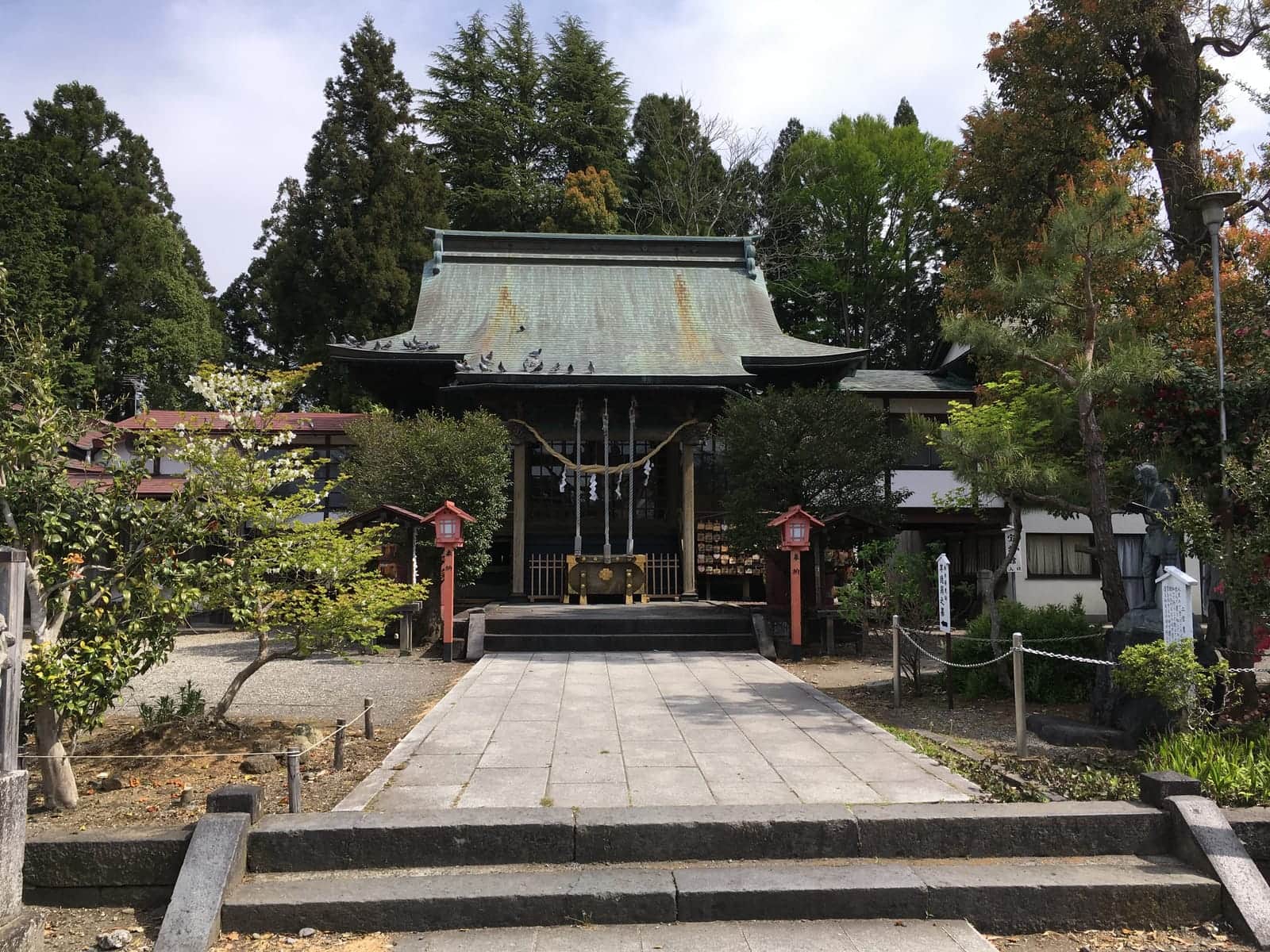
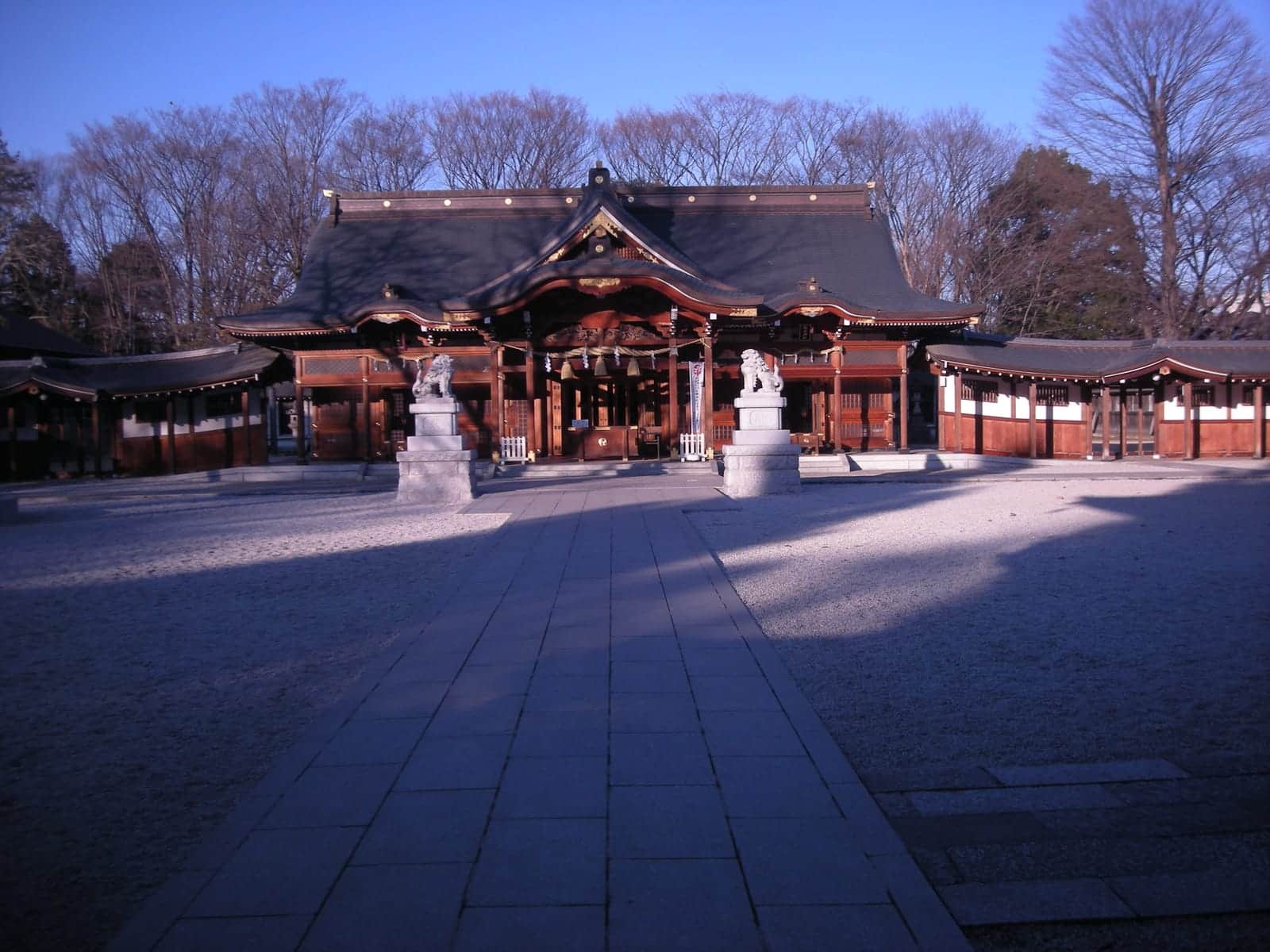
Founded in 1489 by Keiun Nicchō as a retirement retreat, Ryōhō-ji blends Nichiren Buddhism with Shinto traditions, enshrining both the Buddhist goddess Benzaiten and the Shinto agricultural deity Ugajin under one roof.
This temple offers 1 different goshuin designs
Regular
Not confirmed
Visit on a weekday morning to enjoy the temple grounds without the crowds that gather on weekends, especially if you want to photograph the anime-style signage and deities in peace.
If you're part of the Hachiōji Shichifukujin Pilgrimage, bring your pilgrimage booklet to get stamped at Ryōhō-ji, which enshrines Benzaiten as one of the seven lucky deities on the route.
Bring ema (wooden prayer plaques) or purchase them at the temple to write your wishes and hang them on the ema shelf, which is a central part of the visitor experience here.
Ask permission before taking photos of the anime-style signboards and deity illustrations, as the temple uses these modern artistic elements as part of its spiritual presentation and may have preferences about how they're documented.
Wear comfortable shoes since the temple grounds include multiple halls and pathways, and you may want to explore the cemetery area and various shrine spaces throughout the property.
The divine spirits venerated at this sacred place
Hino, Tokyo Prefecture
More ways to continue from this place.
Within 300 m Within 600 m
Timetable data: Public Transportation Open Data Center
Renting needs the operator's app and a Japanese phone number. docomo day passes are sold at convenience stores. Data sources
What this place is believed to grant
0 recent posts
Share how your visit was to help other travelers.
No public community posts yet.