Admission
Not confirmed
At a Glance
The temple houses ashes in a small golden pagoda that were placed here after a funeral ceremony on September 18, 1945, just one month after Indian revolutionary Subhas Chandra Bose died in a plane crash in Taiwan.
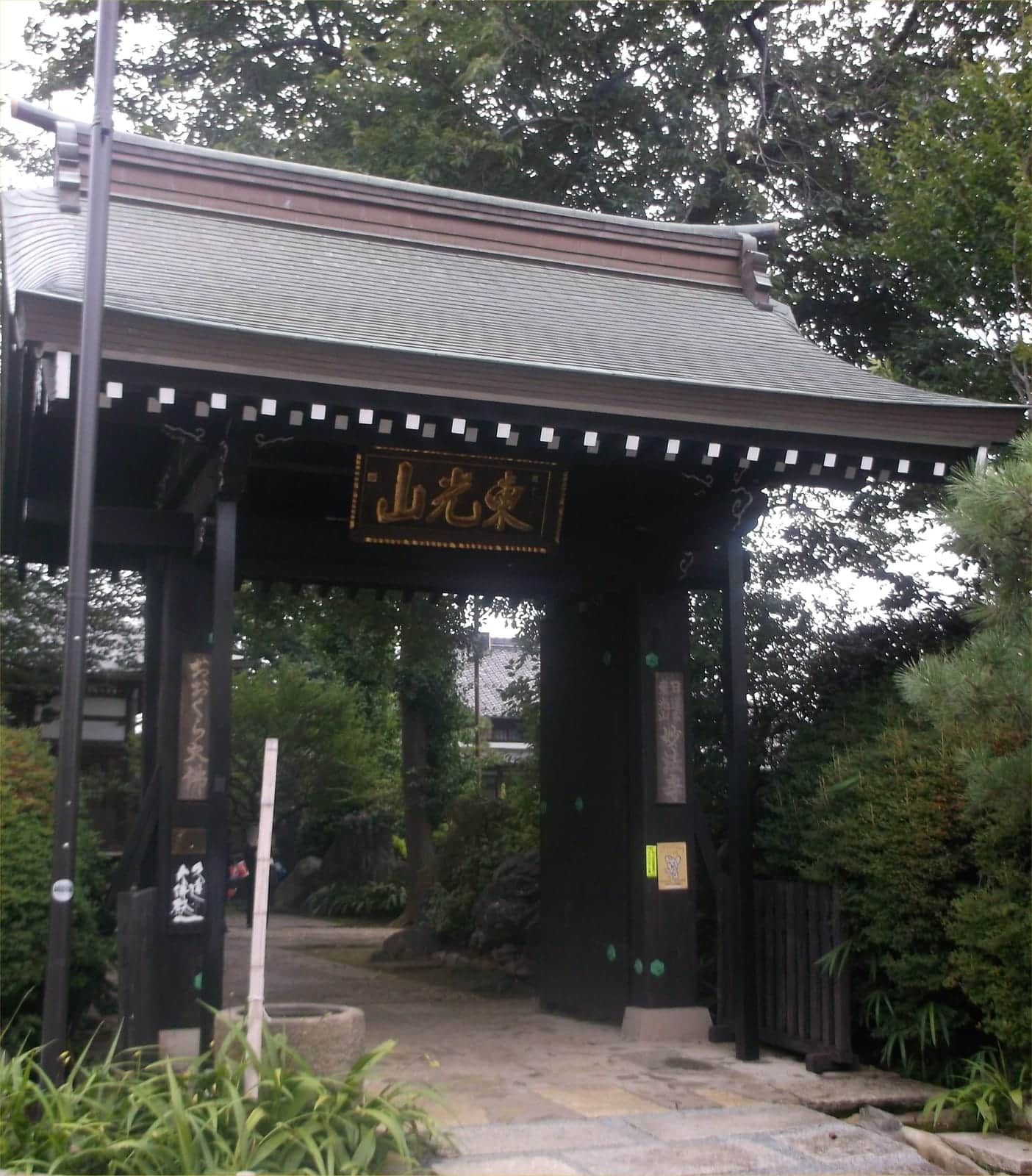
Founded in 1594 and belonging to the Nichiren Buddhist sect, this small well-preserved temple was originally inspired by the God of Wealth and Happiness, long before it became a memorial site for Indian independence.
Same as opening hours
This temple offers goshuin, but we don't have photos yet. Be the first to share yours!
Not confirmed
Facilities
Plan your visit for August 18 if you want to witness the annual death anniversary observance of Subhas Chandra Bose, when his associates gather at the temple for commemorative ceremonies.
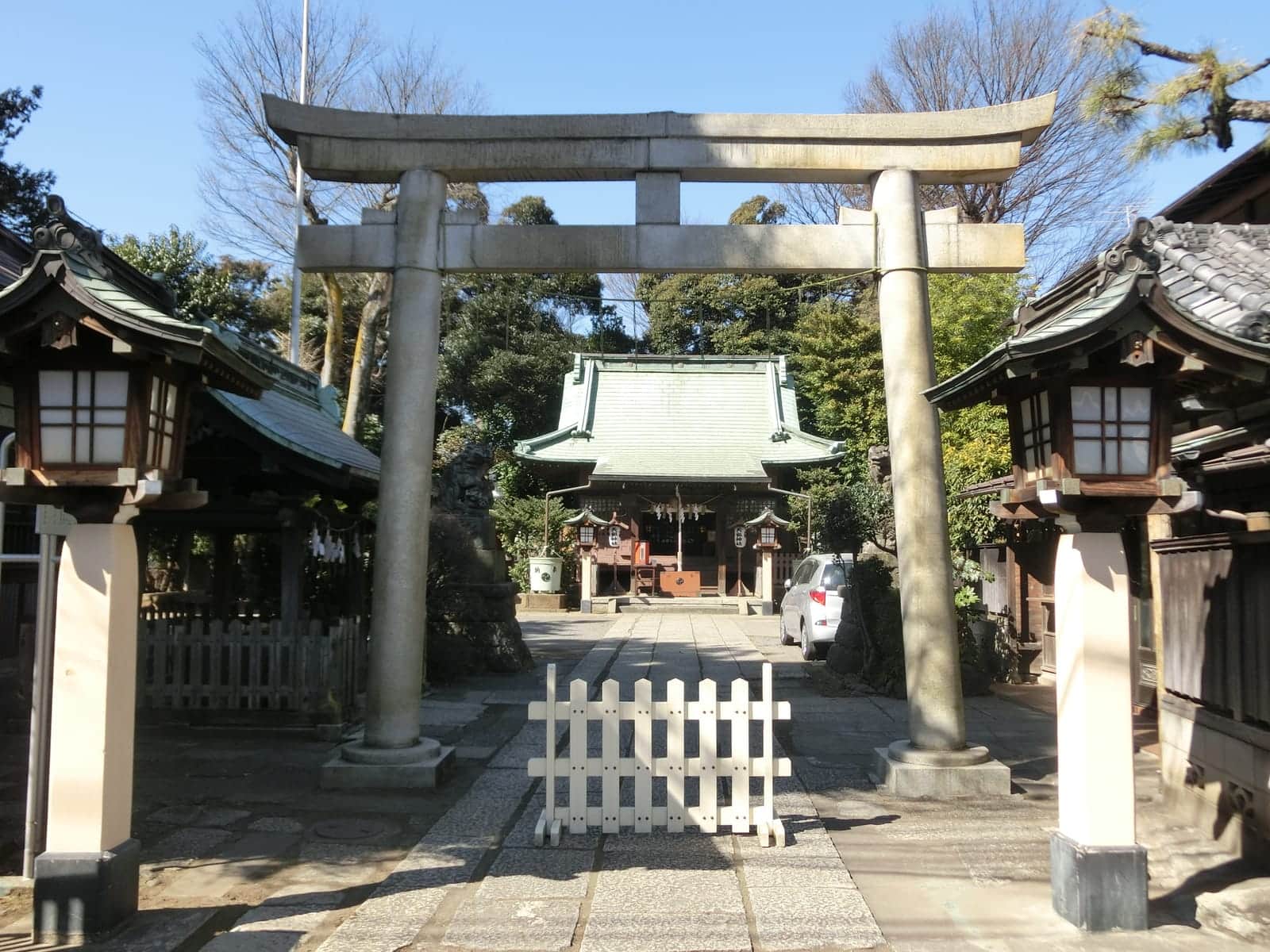
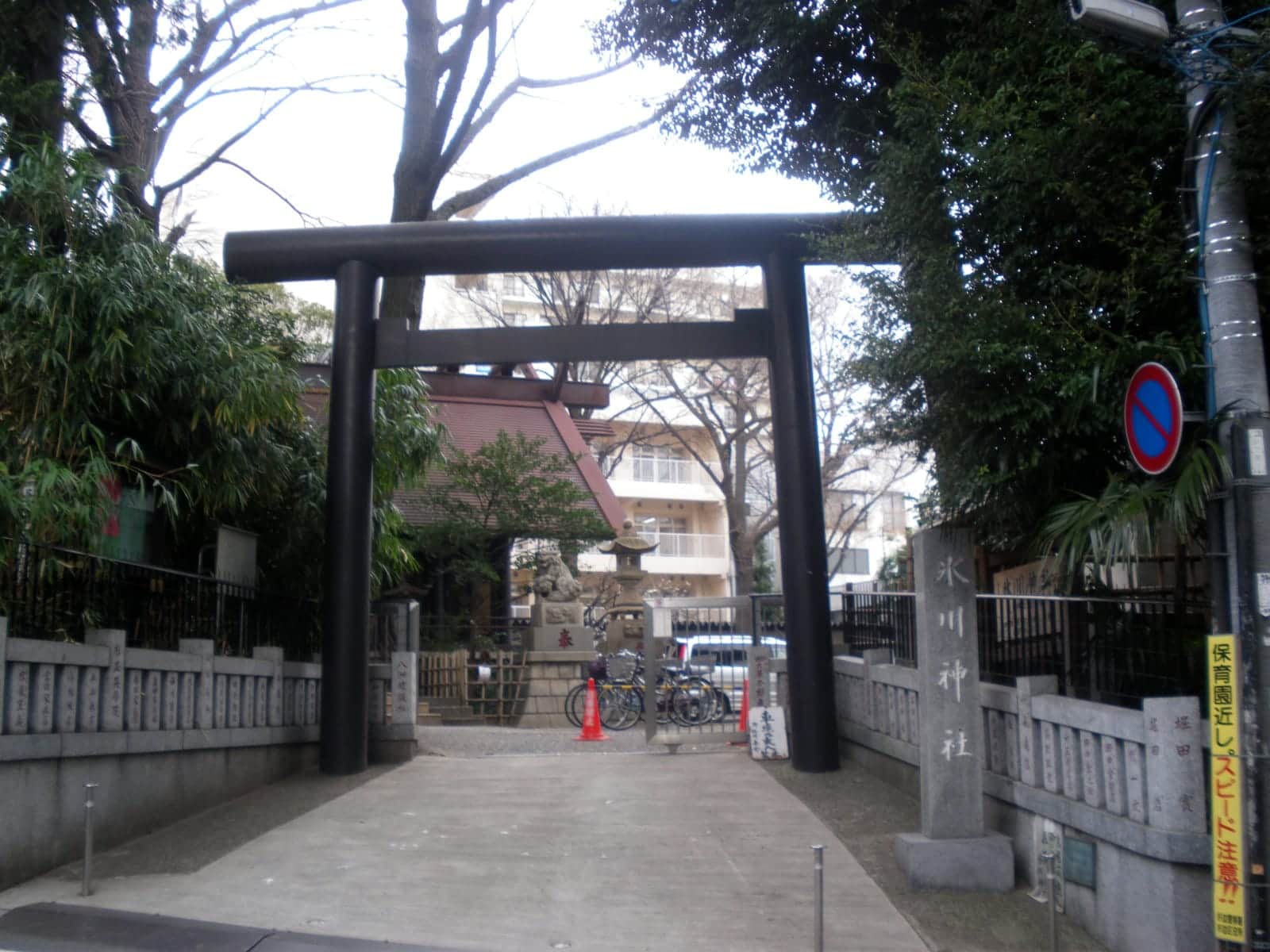
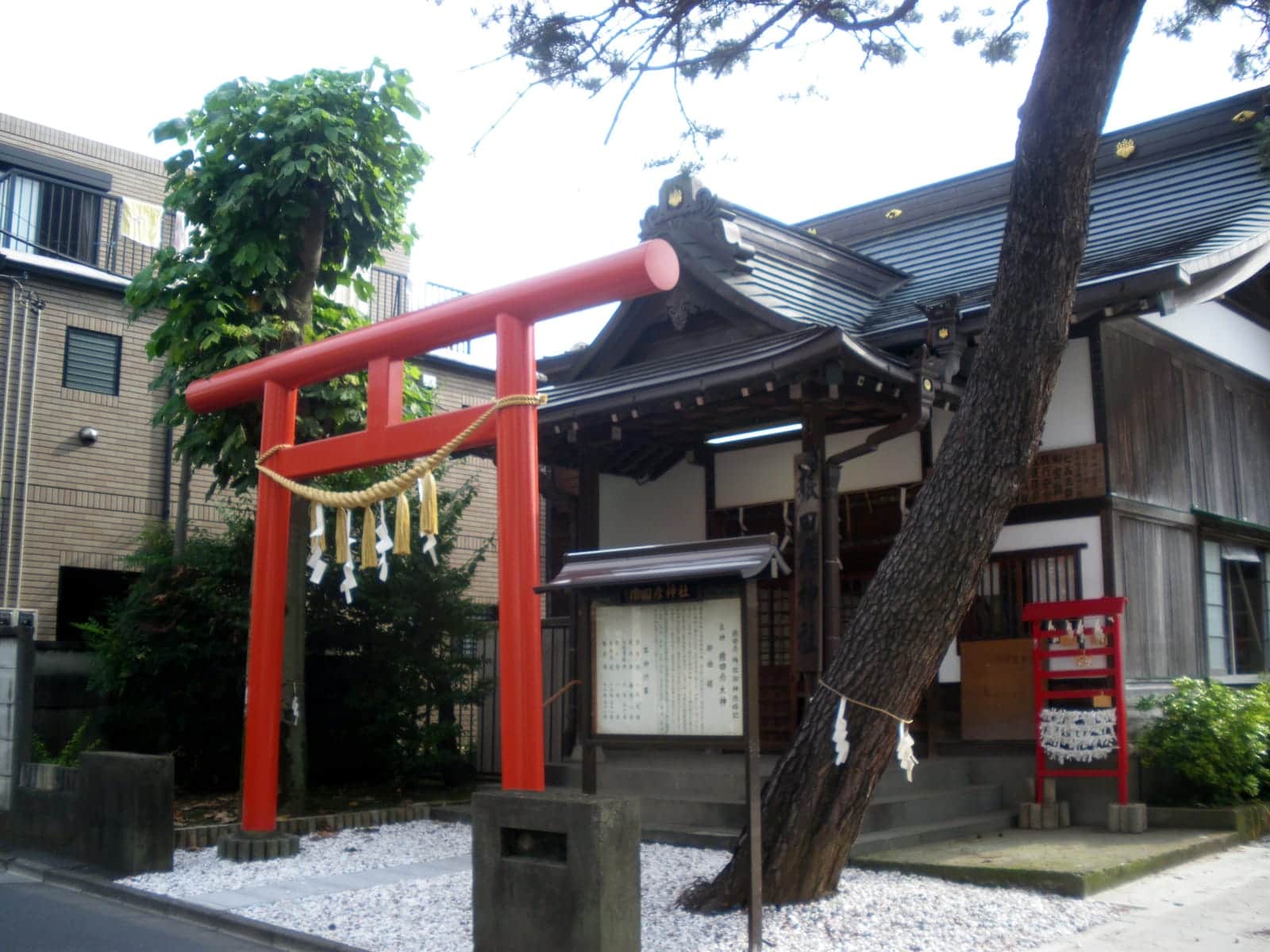
Expect free admission and a visit lasting 20 to 30 minutes, as the temple grounds are small and the main points of interest include the commemorative statue, the Buddha statue outside, the minor shrine, and the main temple hall.
Take the Marunouchi Line to Higashi-Koenji Station and walk about 200 meters through a nearby public park to reach the temple, which sits in a quiet residential neighborhood.
Visit during weekday mornings to experience the temple in its most peaceful state, as visitor reviews note it is not very touristy and remains a quiet, contemplative space.
Approach the golden pagoda housing Bose's ashes with the same reverence you would show at a major memorial site, as this is not a typical Buddhist worship space but a place of historical remembrance visited by Indian dignitaries and officials.
More ways to continue from this place.
Within 300 m Within 600 m
Timetable data: Public Transportation Open Data Center
Renting needs the operator's app and a Japanese phone number. docomo day passes are sold at convenience stores. Data sources
Nakano, Tokyo Prefecture
0 recent posts
Share how your visit was to help other travelers.
No public community posts yet.