
Admission
Not confirmed
At a Glance
The shrine hosts a unique 45-minute non-stop bean-throwing ceremony during Setsubun, where children are organized by age into safety zones and adults receive treats from shrine maidens since the beans can't reach them.
The current shrine buildings survived both the 1923 Great Kanto Earthquake and the 1945 Tokyo firebombing, making the 1866 main hall a rare example of late-Edo period architecture still standing in Tokyo.
Same as opening hours
This shrine offers goshuin, but we don't have photos yet. Be the first to share yours!
Not confirmed
Visit in late winter or early spring to see plum blossoms (ume) beginning to bloom on the grounds, adding seasonal beauty to your visit.
The shrine offers multiple types of goshuin (temple stamps), so take time to review all available options before choosing, as visitors report being delighted by the variety but also feeling overwhelmed by the selection.
Visit during the Setsubun festival (early February) to experience a unique 45-minute bean-throwing ceremony where children are organized by age groups in roped-off areas for safety, and shrine maidens distribute treats to adults watching from behind.
Look for the large ginkgo tree (ichō) on the grounds, which is noted as one of the shrine's visual highlights and adds to the peaceful atmosphere.
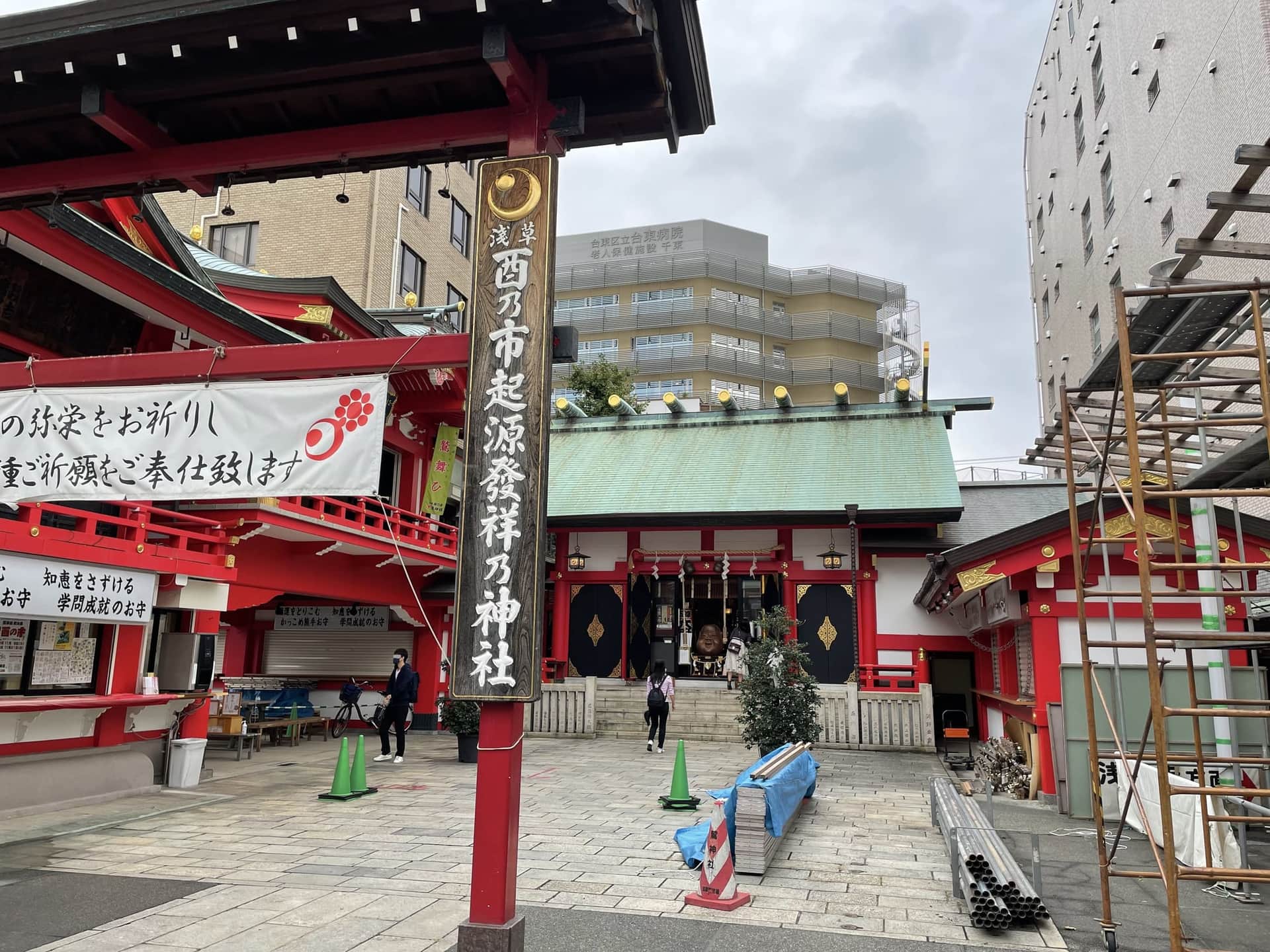
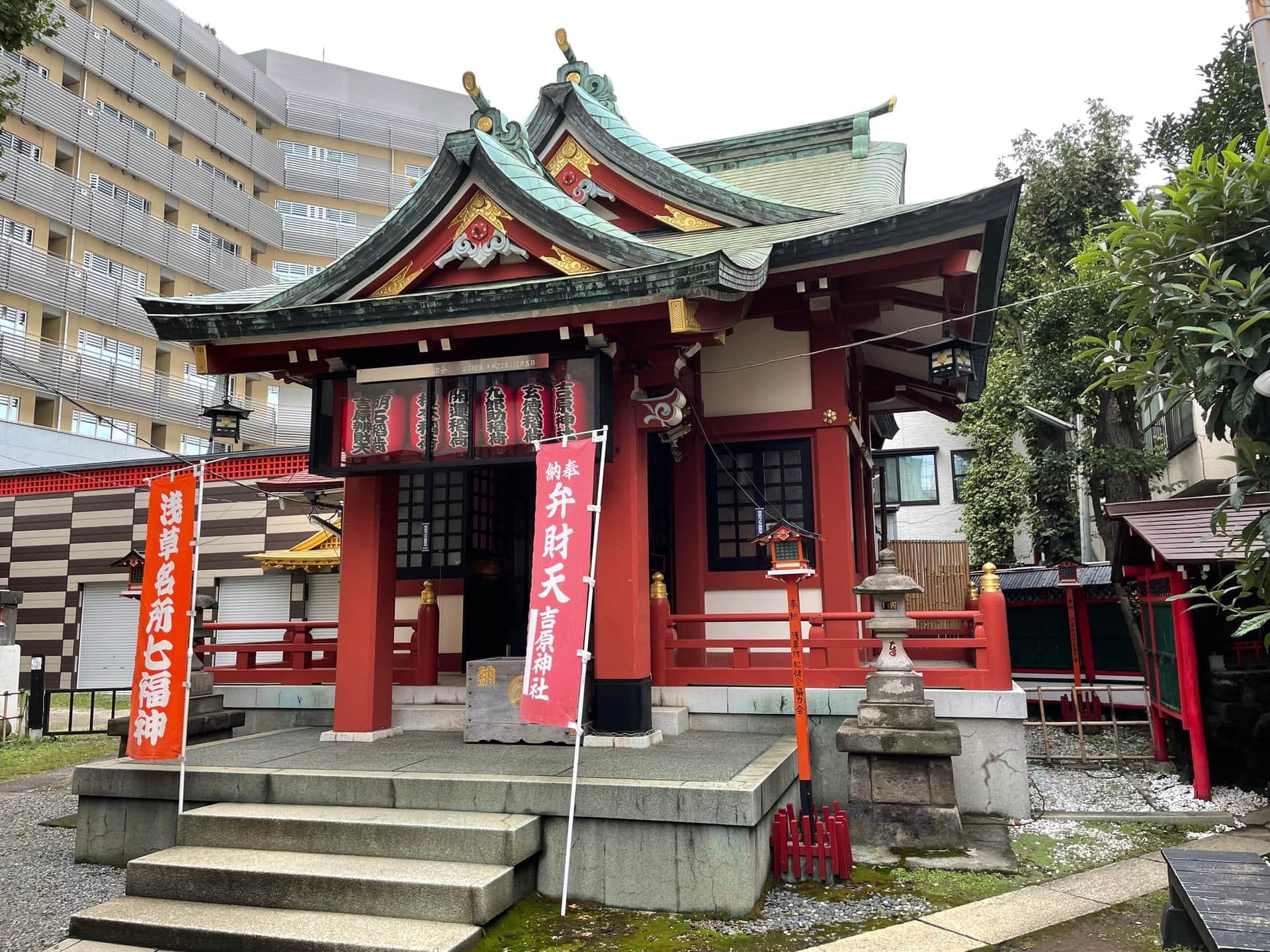
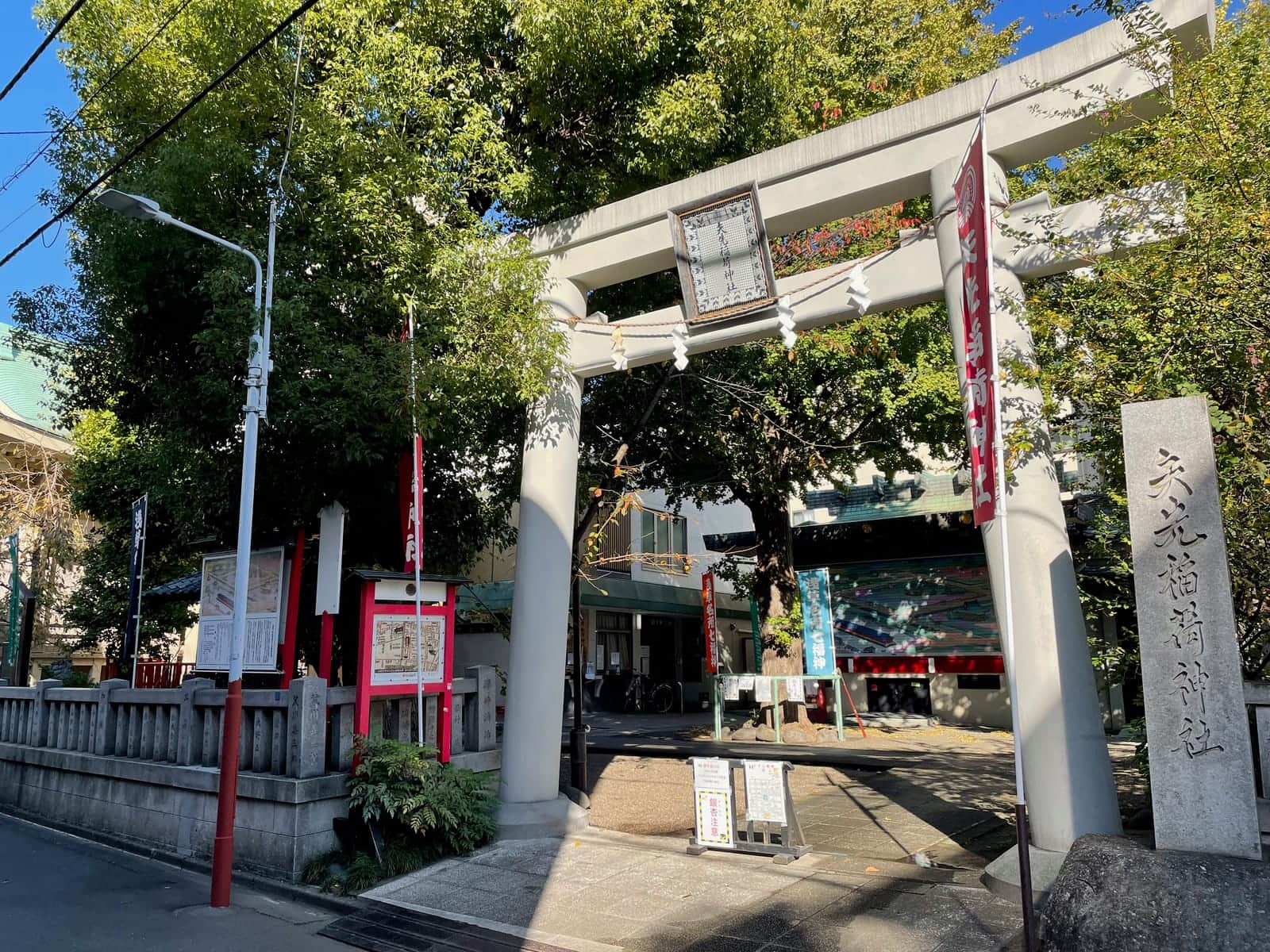
Explore the境内 (keidai/shrine grounds) to find several smaller shrines including Fuji Sengen Shrine, Mitake Shrine, Sanmine Shrine, Kotohira Shrine, Inari Shrine, and Orihime Shrine, as well as a Kōshin-tō stone monument, all packed into the compact site.


Taito, Tokyo Prefecture
More ways to continue from this place.
Within 300 m Within 600 m
Timetable data: Public Transportation Open Data Center

J.リヴェール上野入谷プレイス
HELLO CYCLING

F4-08.ディップス上野ノース
docomo bike share
コンシェリア東京入谷ステーションフロント
HELLO CYCLING
Renting needs the operator's app and a Japanese phone number. docomo day passes are sold at convenience stores. Data sources
0 recent posts
Share how your visit was to help other travelers.
No public community posts yet.