If you want a livelier atmosphere, plan around the annual Kigensai festival, when the shrine's ceremonial importance is especially visible.
At a Glance
The shrine's massive grounds cover 530,000 square meters and include Nagayama Inari Shrine near Fukuda Pond, a smaller shrine that actually predates Kashihara Jingū by centuries.
The shrine marks the spot where Emperor Jimmu allegedly ascended to the throne in 660 BC, making it 2,700 years old as a sacred site, though the actual shrine buildings are only from the Meiji period.
This shrine offers 1 different goshuin designs
Same as opening hours
Regular
Facilities
If you want a livelier atmosphere, plan around the annual Kigensai festival, when the shrine's ceremonial importance is especially visible.
The shrine is a 10-minute walk from Kashiharajingu-mae Station, accessible via Kintetsu Line from Nara (50 minutes via Yamato-Saidaiji), Kyoto (1 hour by express), or Osaka Tennoji (via Osaka Abenobashi Station), with particularly large crowds expected on National Foundation Day (February 11) and New Year's Day.
Take time to walk around Fukuda Pond in the south part of the grounds, which has a well-maintained promenade and features cherry blossoms in spring and waterfowl in winter, plus the historic Nagayama Inari Shrine that predates Kashihara Jingu.
Consider renting a bicycle from one of the shops next to Kashiharajingu-mae Station to explore the semi-rural area with wide avenues, and some rental firms even allow bicycles to be returned at certain Asuka locations if you cycle south.
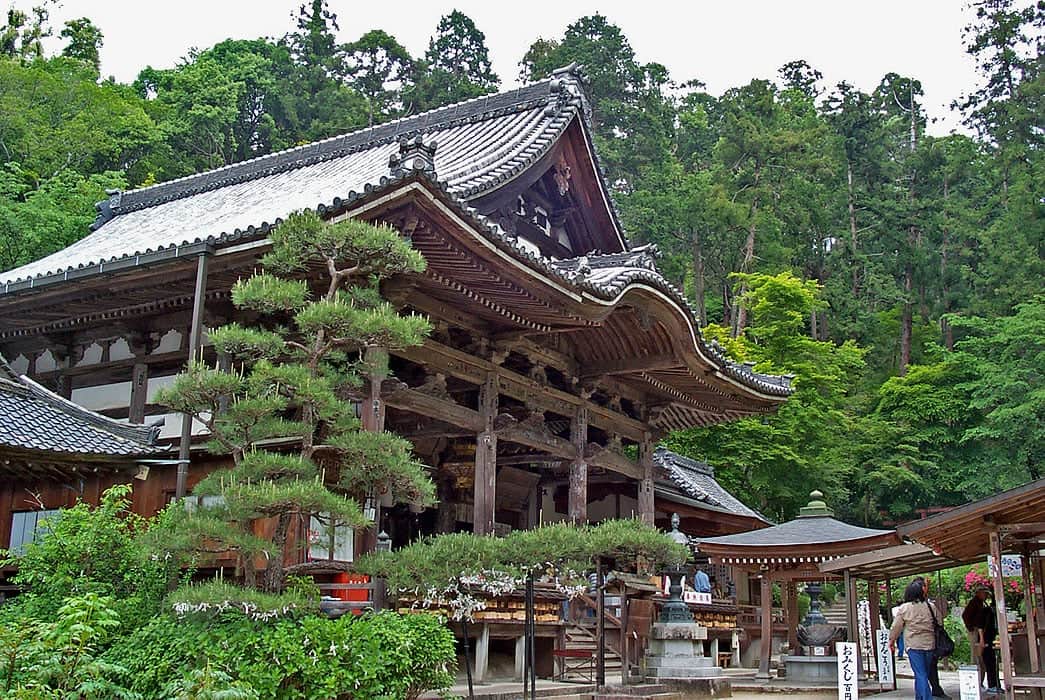
Allow extra walking time: the shrine is described as a large complex with broad grounds and forested areas, so a quick stop may feel rushed.
Wear comfortable walking shoes; the shrine's expansive grounds and wooded precincts are better enjoyed on foot.
Plan your visit for weekends in November to witness the colorful Shichi Go San Festival when whole families come to the shrine with their children dressed in traditional kimono, or visit during autumn when the ginkgo tree-lined avenue turns bright yellow against the clear blue sky.
Not confirmed
Kashihara, Nara Prefecture
More ways to continue from this place.
1 recent posts
Share how your visit was to help other travelers.
Stefan ThomePro shared a goshuin
Kashihara-jingū https://share.google/iQ0v94De7DhF8GQh3
Within 300 m Within 600 m