Admission
- Adult (18+)Free
At a Glance
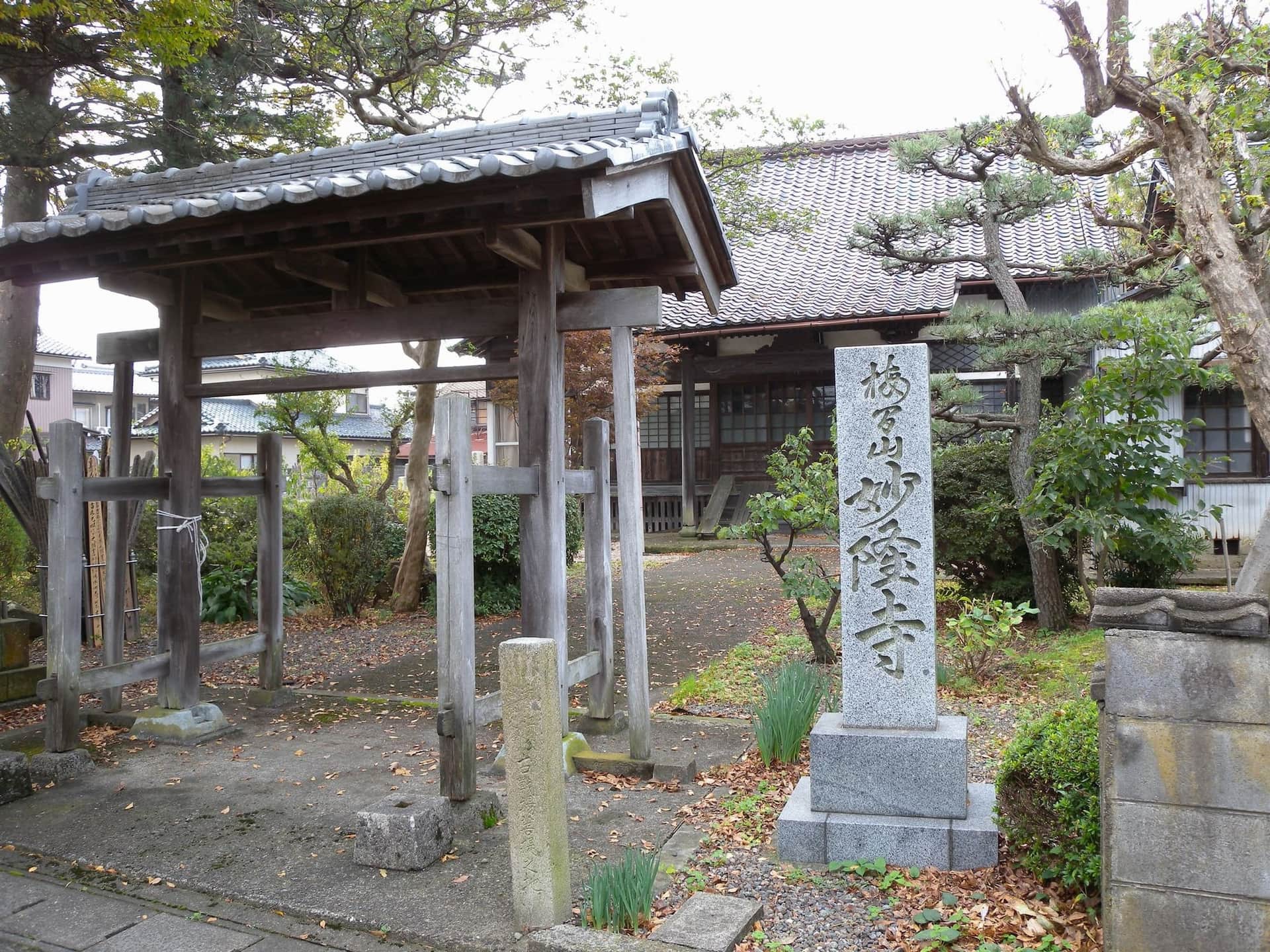
Marici-ten, the hidden deity here, grants the power of invisibility and was historically worshipped by ninja and samurai seeking protection in battle and by merchants wanting business success.
The temple's sacred five-pine tree inspired a short story by Izumi Kyoka, one of Japan's greatest authors, who described it as the dwelling place of a demon that punishes anyone showing disrespect.
This temple offers goshuin, but we don't have photos yet. Be the first to share yours!
The temple's main deity, Marici-ten, is a secret Buddha displayed only once yearly on November 29th. If you cannot visit on that date, ask the priest about the deity's significance and symbolism during your visit, as understanding the hidden nature of this protector deity enriches the experience.
Plan to arrive by foot from the Hashiba-cho bus stop (about 10 minutes away), but give yourself extra time for the steep staircase climb at the end.
Bring cash if you want to purchase a victory charm (Kachimamori) or receive a seal stamp, as the temple may have limited payment options.
The sacred five-pine tree (Gohonmatsu) on the grounds inspired writer Izumi Kyoka's famous story 'Five Pines', so take time to observe this ancient tree and learn its literary history from the priest if you have the chance.
Arrive in late afternoon to catch the sunset views over Kanazawa city and the Japan Sea that literary figures like Donald Keene and Akutagawa praised.
Visit on the first day of the month to experience the 'Otsuitachi Mairi' ceremony, which includes a goma fire ritual and dharma talk led by the resident priest.
Fascinating facts about this place
Marici-ten, the hidden deity here, grants the power of invisibility and was historically worshipped by ninja and samurai seeking protection in battle and by merchants wanting business success.
The temple's sacred five-pine tree inspired a short story by Izumi Kyoka, one of Japan's greatest authors, who described it as the dwelling place of a demon that punishes anyone showing disrespect.
Maeda Toshiie, the founder of Kanazawa, kept a statue of Marici-ten as his personal prayer object, and the current main hall was built specifically to house it on the castle's northeast corner, the direction believed to need spiritual protection.
The temple's current head priest has been performing goma fire rituals continuously for over 30 years, following the spiritual path of a famous Koyasan scholar he discovered while working as a museum curator.
Seasonal celebrations and special occasions
Kanazawa, Ishikawa Prefecture


More ways to continue from this place.
4.0
1 review
Plan to walk from Hashiba-cho bus stop, about 10 minutes away, and allow extra time for the steep staircase at the end. If you want to catch the sunset over Kanazawa and the Japan Sea, late afternoon is a good time to come.
Bring cash for a victory charm or a seal stamp. If you can, visit on the first day of the month for the Otsuitachi Mairi ceremony, with a goma fire ritual and a talk from the resident priest.
Marici-ten is shown only once a year on November 29, so on other days ask the priest about its meaning. Make time for the sacred five-pine tree, which inspired Izumi Kyoka’s “Five Pines.”
OSKSupporter left a review
1 recent visits and photo contributions
OSKSupporter left a review
OSKSupporter checked in
Within 300 m Within 600 m
Timetable data: Public Transportation Open Data Center
Renting needs the operator's app and a Japanese phone number. docomo day passes are sold at convenience stores. Data sources