
Kodo
Architecture講堂 ・ Reading: こうどう
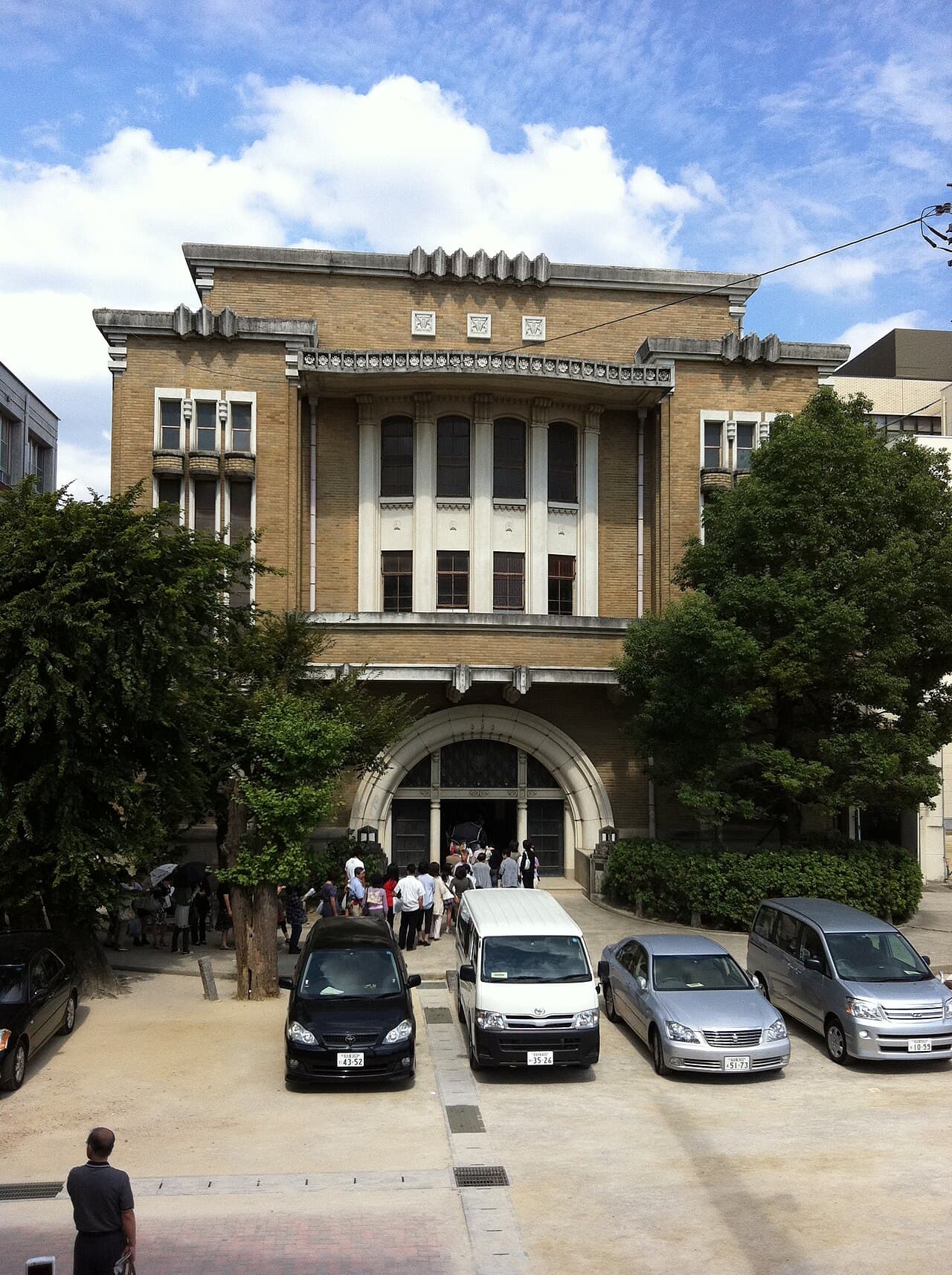
Definition
A lecture hall where monks study scriptures and larger ceremonies are held. It usually stands behind the main hall (hondo) and is one of the core buildings of a temple complex.
What it is for
A kodo is the lecture hall of a Buddhist temple, the place where monks gather to study scriptures, hear their teachers explain doctrine, and hold the larger ceremonies that would not fit inside a smaller hall. In the older monastic layouts it sits towards the rear of the central precinct, often directly behind the main hall, and its scale reflects how central teaching and communal ritual were to monastic life.
What to look for
From the outside a kodo often looks much like other temple halls, a wide wooden building under a deep tiled roof, so the name board over the entrance or a precinct map is usually the surest way to identify it. Inside you may find a set of Buddhist images and a broad open floor laid out for seated study and assembly rather than for streams of individual worshippers. Many kodo were rebuilt over the centuries after fire or war, so the building you see is frequently newer than the temple's founding.
How it differs from the hondo
The hondo, or main hall, is where visitors pray before the temple's principal object of worship. The kodo, by contrast, was built for learning and formal ceremony, and it is not always open to the public. Many large temples have both. At Toji in Kyoto, for example, the Kodo houses a celebrated group of Buddhist statues arranged as a three-dimensional mandala, and the hall is a highlight of the temple in its own right.
Common questions
- What is a kodo at a Japanese temple?
A kodo is the lecture hall of a Buddhist temple, where monks study scriptures and larger ceremonies are held. It is one of the core buildings of a temple complex and usually stands towards the rear of the precinct, often directly behind the main hall.
- What is the difference between a kodo and a hondo?
The hondo is the main hall where visitors pray before the temple's principal object of worship, while the kodo is the lecture hall built for study and formal ceremonies. Many temples have both, with the kodo often set behind the hondo, and the kodo is not always open to the public.
- Can visitors go inside a kodo?
Whether you can enter a kodo depends on the temple, as some open their lecture halls to visitors while others keep them for monastic use. When a kodo is open you may see Buddhist images and a wide floor laid out for seated study rather than individual worship.
Related articles
- Goshuin: Collecting Japan's Temple and Shrine StampsWhat goshuin (御朱印) are, what they cost, how to ask for one politely, and where to start collecting Japan's hand-brushed temple and shrine stamps.
- How to Read Buddhist Temple ArchitectureRead a Japanese Buddhist temple through its gates, main hall, pagoda, study spaces, working buildings, dates, and local plan.
- Shoes, Thresholds, and Sacred Interiors in JapanA practical guide to removing shoes, crossing raised thresholds, using slippers, entering tatami rooms, and protecting historic interiors.
- Shrines and Temples in Japan: How to Tell Them ApartRecognize Shinto shrines and Buddhist temples using names, buildings, worship methods, and local guidance without relying on misleading visual shortcuts.
- Why Japan Rebuilds Sacred Sites: Renewal, Reconstruction, and Living HeritageHow ritual renewal, disaster reconstruction, conservation, and craft transmission create different layers of authenticity.